





The Freedom of the Open Road: Costa Blanca Motorhome Travel Guide
 DEMOCRAZY News
18 Agustus 2026 12:24 am
.
8 menit membaca
DEMOCRAZY News
18 Agustus 2026 12:24 am
.
8 menit membaca
Why a Motorhome is the Best Way to See Spain’s Costa Blanca
Spain is undoubtedly one of the most attractive destinations for road trips in the world. With its sun-drenched coastlines, dramatic mountain ranges, and centuries of history embedded in every village square, it is a country that demands to be explored at a leisurely pace.
While millions of tourists flock to the Costa Blanca each year, settling into traditional hotels or all-inclusive resorts, a growing movement of independent travelers is opting for a different approach: the motorhome.
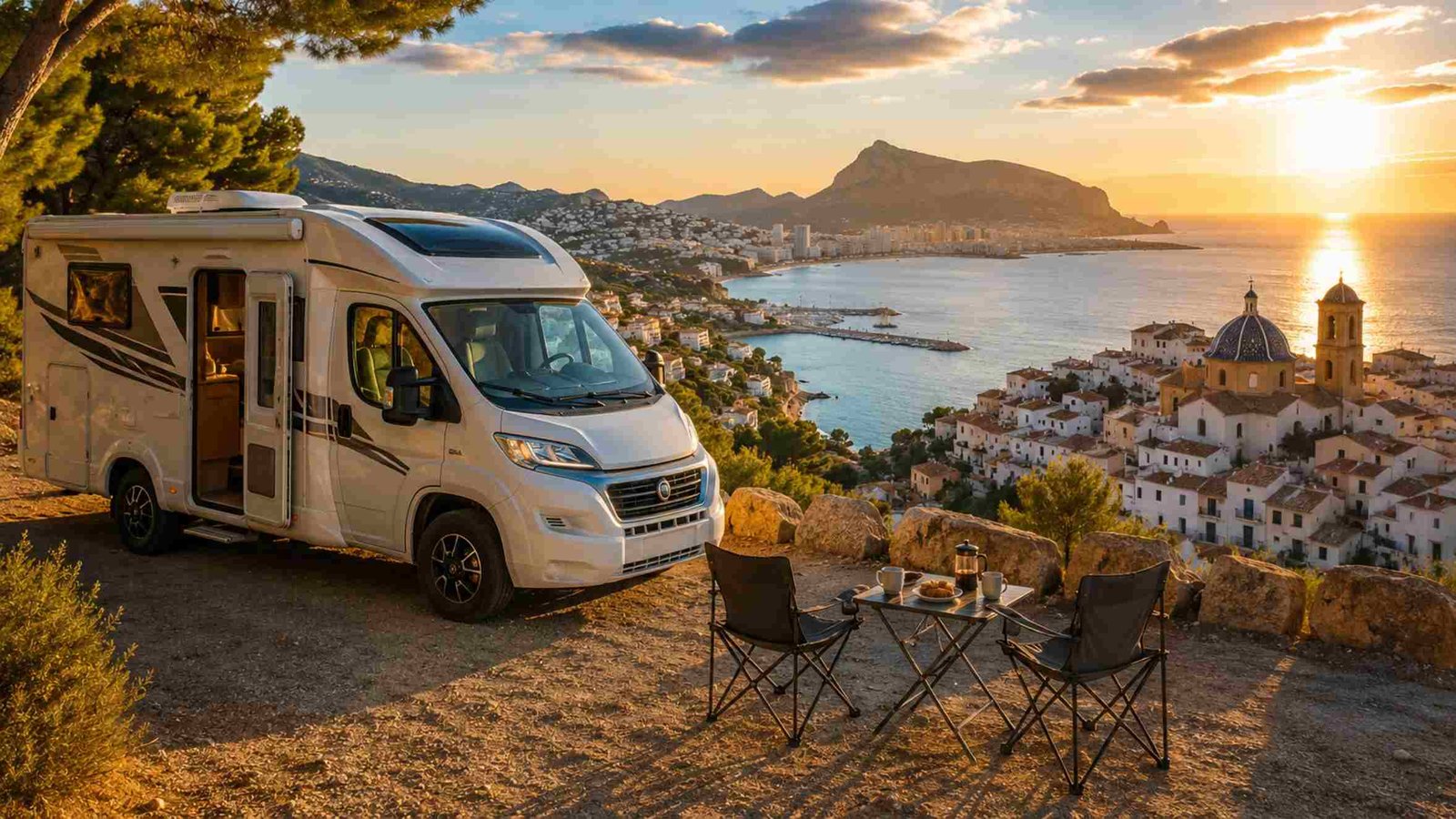
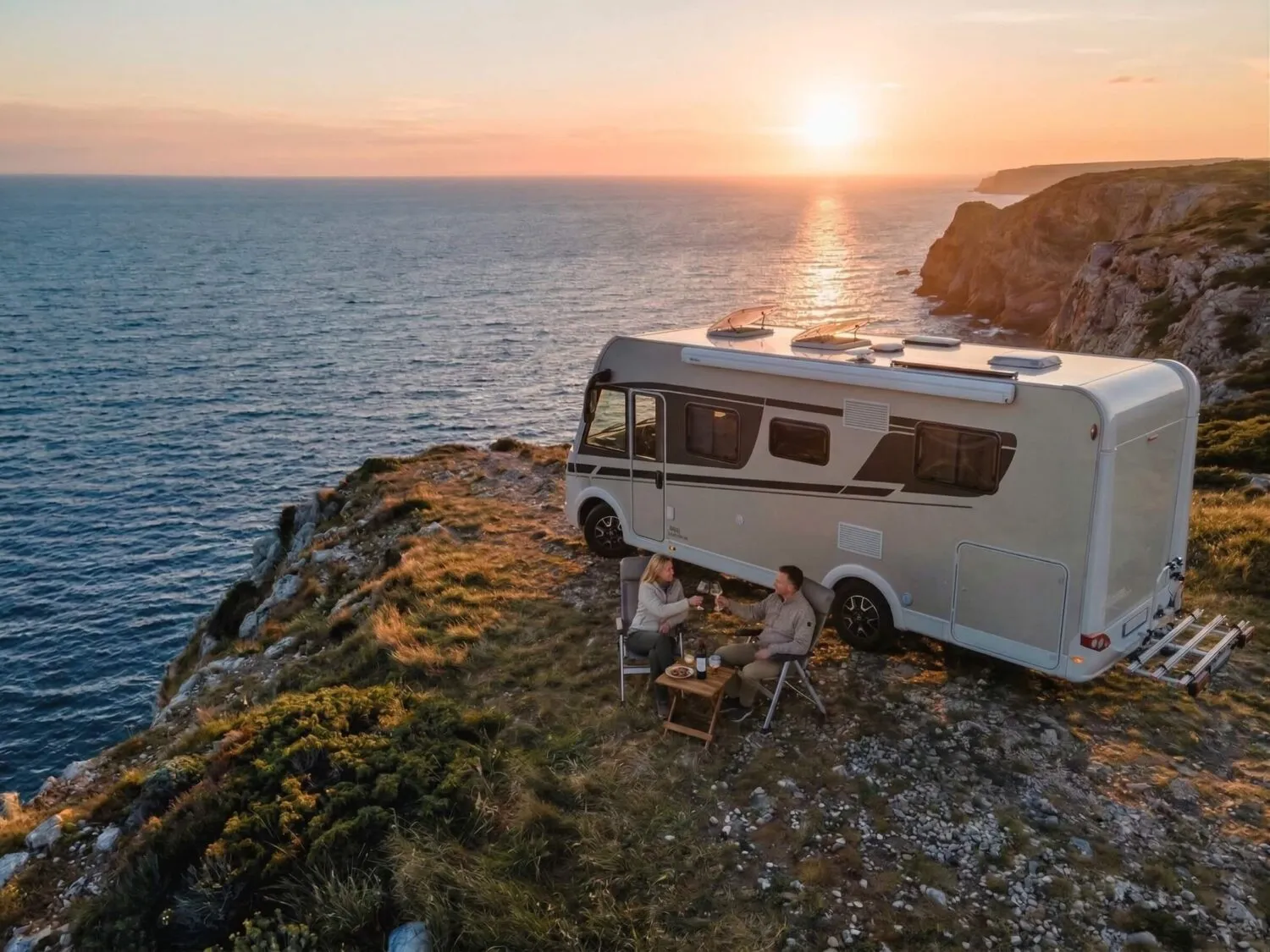
Choosing a motorhome is not just about transportation; it is about reclaiming the lost art of the journey. It is the ability to wake up to the sound of the Mediterranean lapping against the shore, have breakfast in a quiet mountain village, and enjoy a sunset on a hidden cove—all without ever needing to pack or unpack a single suitcase.
The Costa Blanca, with its accessible infrastructure, well-maintained roads, and stunning geography, is the perfect stage for your first or fiftieth motorhome adventure.
Baca Juga
Why Choose a Motorhome for a Costa Blanca Road Trip
The primary draw of a motorhome is the unparalleled flexibility it provides. When you travel via traditional tourism—flights, car rentals, and pre-booked hotels—you are tethered to rigid check-in times, pre-set locations, and the constant, logistical stress of dragging luggage from room to room.
In a motorhome, your accommodation and transport are one. This freedom allows you to change your itinerary on a whim. If you discover a pristine beach that captivates you, you don’t need to worry about the length of your booking; you can simply stay an extra day.
If the weather turns sour or a destination feels too crowded with seasonal tourists, you have the total agency to pick up your home and move to the next hidden gem.
Beyond mere flexibility, a motorhome is the ultimate bridge between Spain’s famous coastal resorts and its overlooked inland wonders. The Costa Blanca is geographically diverse.
You can traverse the vibrant energy and urban sophistication of Alicante’s city center, and within an hour, find yourself parked amidst the ancient olive groves, almond trees, and historic fortresses of the hinterland.
Furthermore, traveling by motorhome is deeply social yet private. For families and groups of friends, it creates a unique bond.
You aren’t separated by corridors or hotel room walls; you are sharing the experience of the road, cooking together in a compact kitchen, and sharing stories under the stars. It transforms the journey itself into the highlight of your vacation, rather than merely a means to an end.
Planning a Motorhome Trip Around Alicante and Costa Blanca
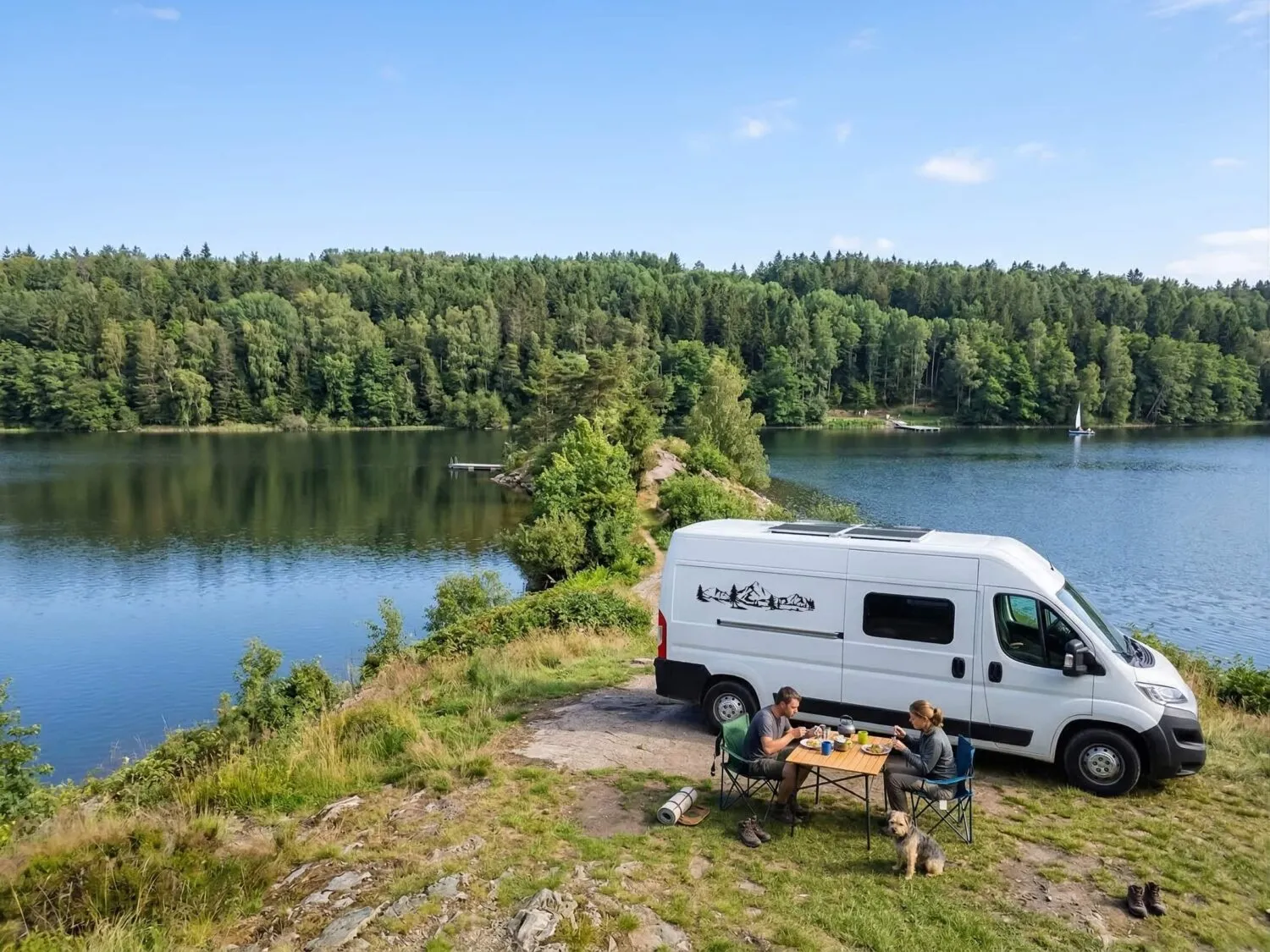
Successful motorhome travel is built on the solid foundation of smart, proactive planning. While the spirit of the road trip is spontaneous, the logistics require preparation. First, you must select the right vehicle for your needs.
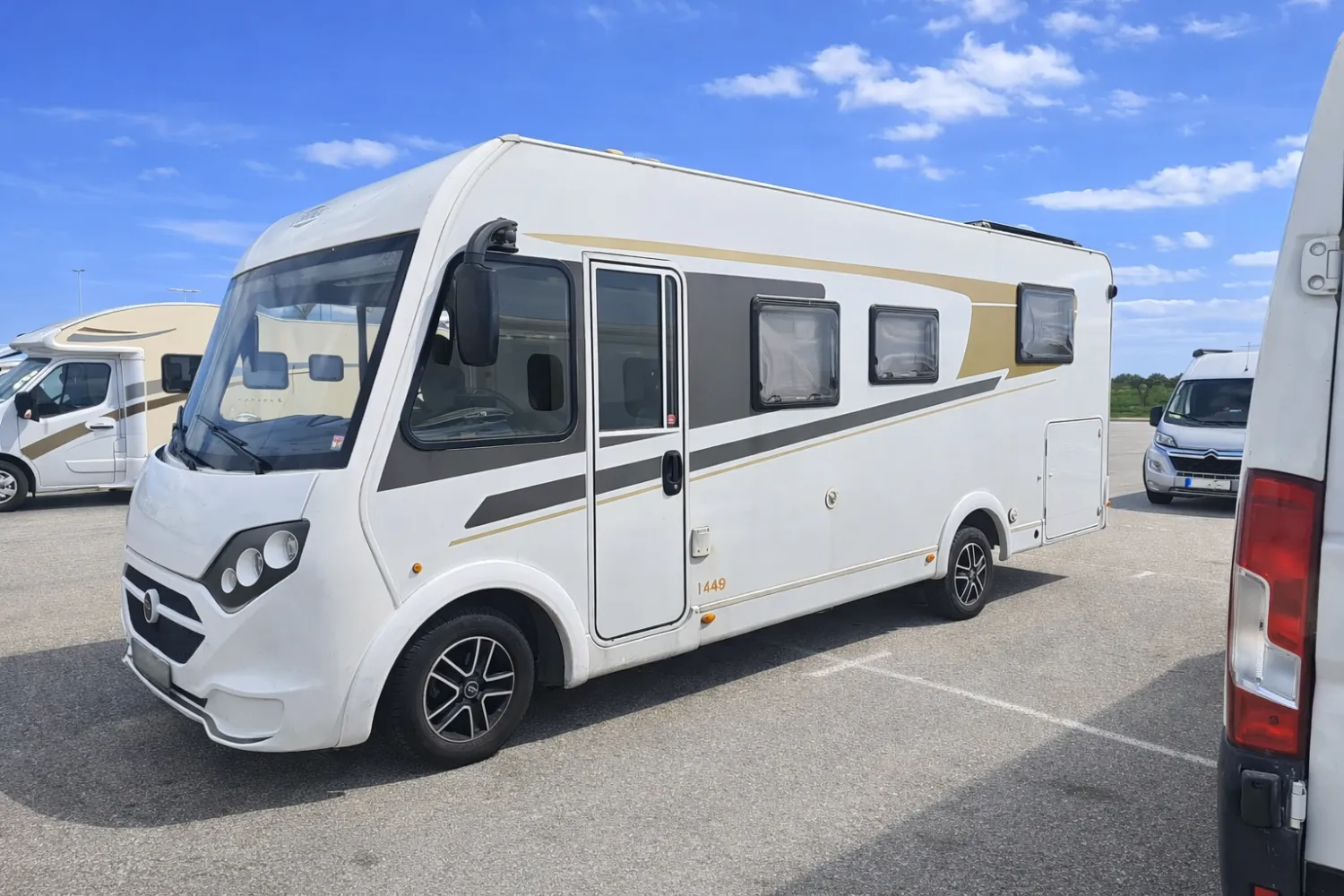
Consider the size of your group versus the reality of navigating Spain’s charming, often narrow, coastal streets or historic town centers. A larger luxury RV offers comfort but can be cumbersome in medieval village lanes; a compact campervan provides agility but less living space.
Research is your best tool. You must check local parking and camping restrictions in advance. Spain has modernized its approach to motorhome tourism, but regulations can still vary significantly from one municipality to the next.
Some towns are incredibly welcoming, offering designated áreas de autocaravanas (dedicated parking/service areas), while others prohibit overnight street parking to protect local ecosystems or traffic flow.
Baca Juga
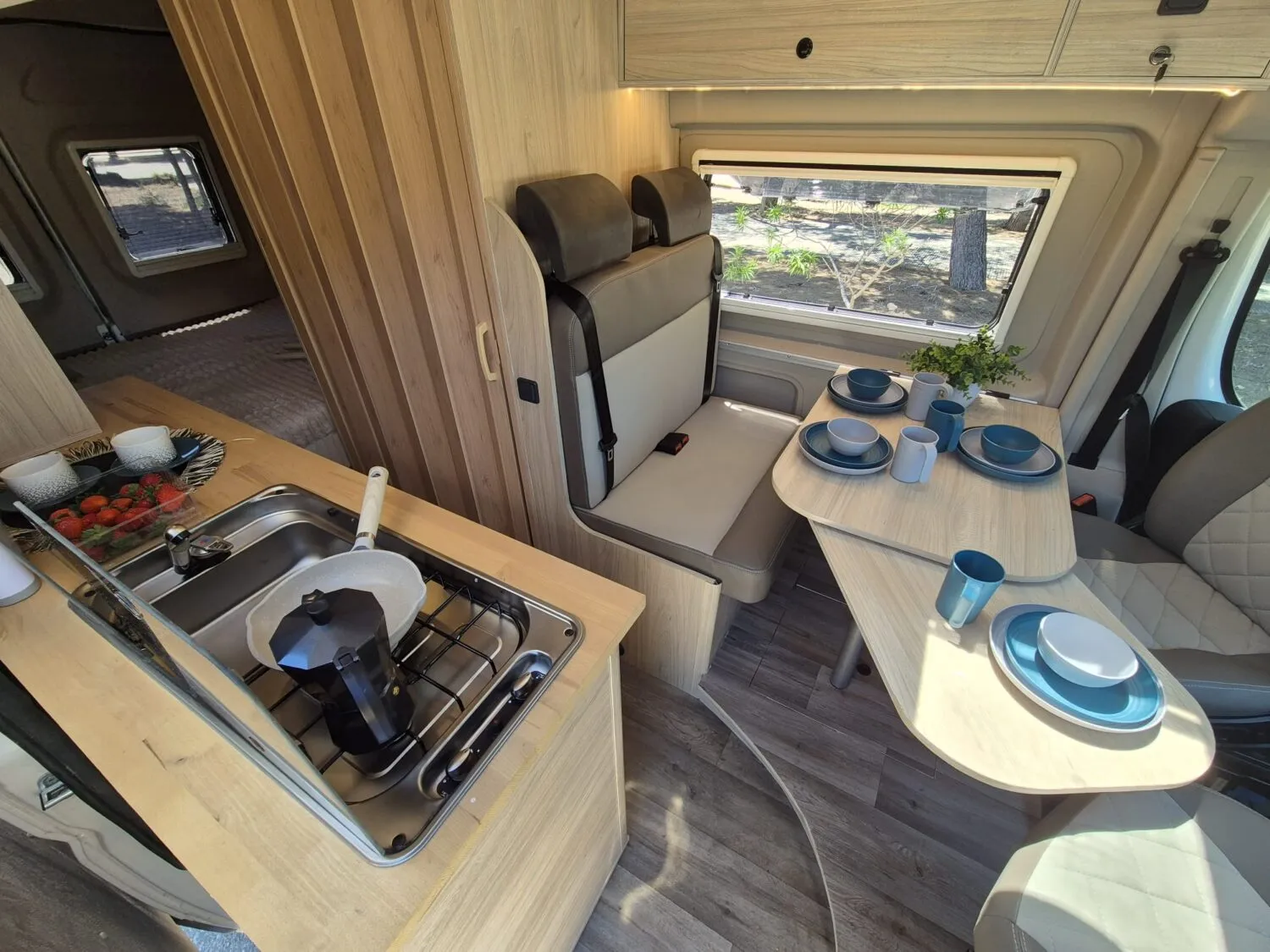
Logistically, think of your motorhome as a small, self-sufficient apartment. You must master the basics of “house management” on the move:
-
Water Management: Keep track of your fresh water tank levels and know where to find dump stations for grey and black water.
-
Energy Capacity: Understand your battery usage, especially if you plan to go “off-grid.” Solar panels are a game-changer, but understanding your consumption is vital.
-
Inventory: Organize your supplies effectively. In a small space, order is not just aesthetic—it’s functional.
-
Mapping: Plan your route based on comfortable driving distances. Spending six hours a day behind the wheel defeats the purpose of the slow-travel lifestyle.
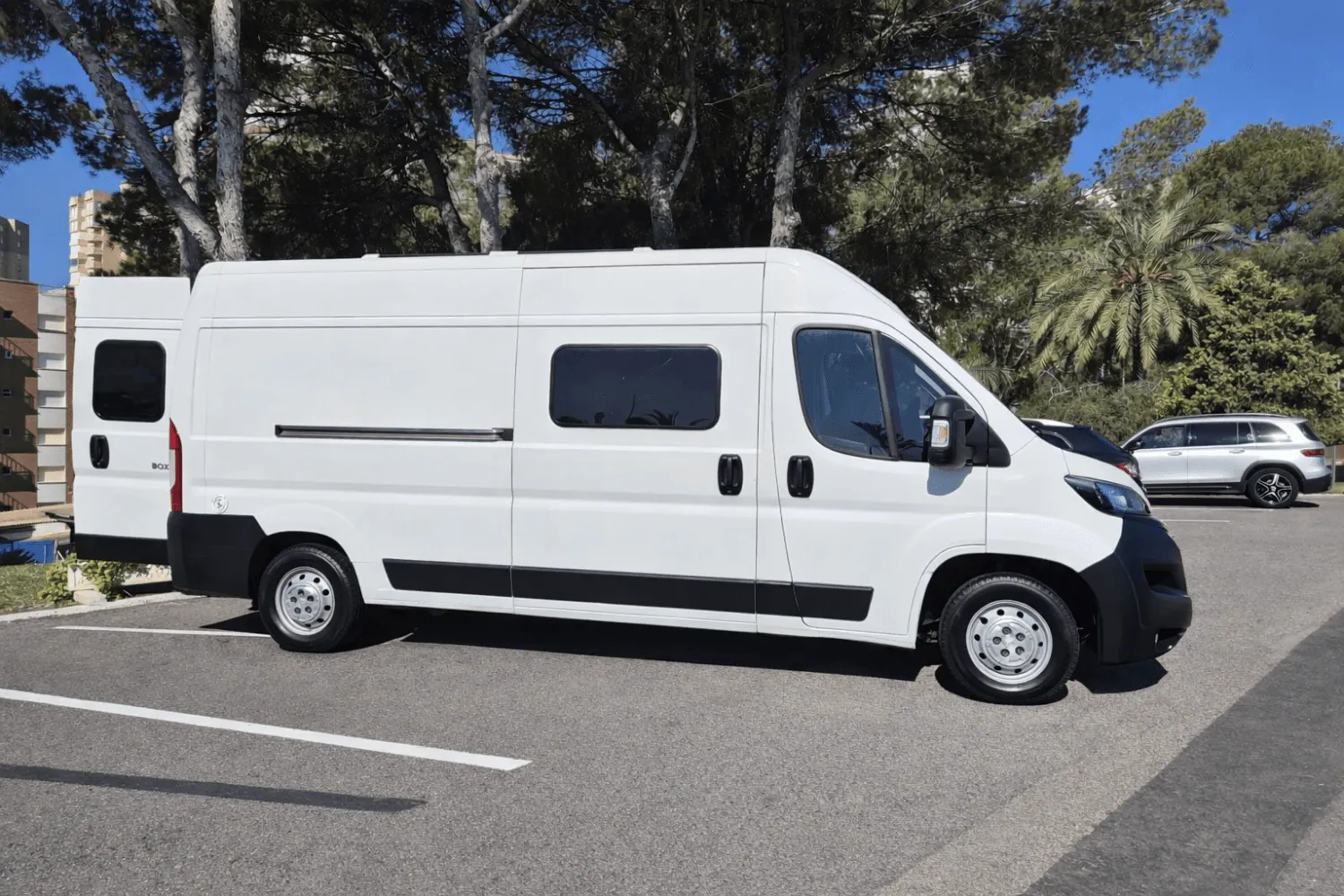
A Weekend Is Enough to Start
Many aspiring travelers hesitate because they assume that motorhome travel requires weeks, if not months, of vacation time to be “worth it.” This is a misconception.
A short motorhome weekend trip in Spain is, in fact, the most effective way to “test the waters” and decide if the lifestyle suits your personality.
Baca Juga
A weekend trip allows you to familiarize yourself with the vehicle’s handling, the mechanics of hook-ups, and the general pace of nomadic life without the pressure of a long-haul excursion.
It serves as a trial run to see if you enjoy the simplicity of the lifestyle. Regardless of the outcome, a weekend gives you the confidence to plan longer, more ambitious journeys across the Iberian Peninsula.
What First-Time Motorhome Travelers Often Get Wrong
Transitioning from hotel-based travel to life on the road requires a mental shift. Even the most seasoned travelers can fall into traps when they first grab the keys to a motorhome.
A common mistake is overplanning. While preparation is good, the true beauty of a motorhome is spontaneity.
Baca Juga
Rigid schedules often lead to disappointment when you find a location that is far better than your original plan but feel forced to move on because of an itinerary. Give yourself room to be surprised.
Another pitfall is packing too much. Beginners often treat a motorhome like a massive house, bringing unnecessary kitchen gadgets, extra clothing, and gear they will never use. Remember that space is at a premium. You will quickly learn the mantra of nomadic life: “less is more.”
Lastly, beginners frequently fail to thoroughly inspect the vehicle’s systems (water levels, gas, battery status, and tire pressure) before leaving a spot.
Also, choosing an unsuitable overnight location—such as a steep incline or a spot that restricts the vehicle’s movement—can turn a relaxing night into a stressful morning.
Familiarizing yourself with these common mistakes when renting a motorhome can save you from a major headache early in your trip and keep the focus on the adventure.
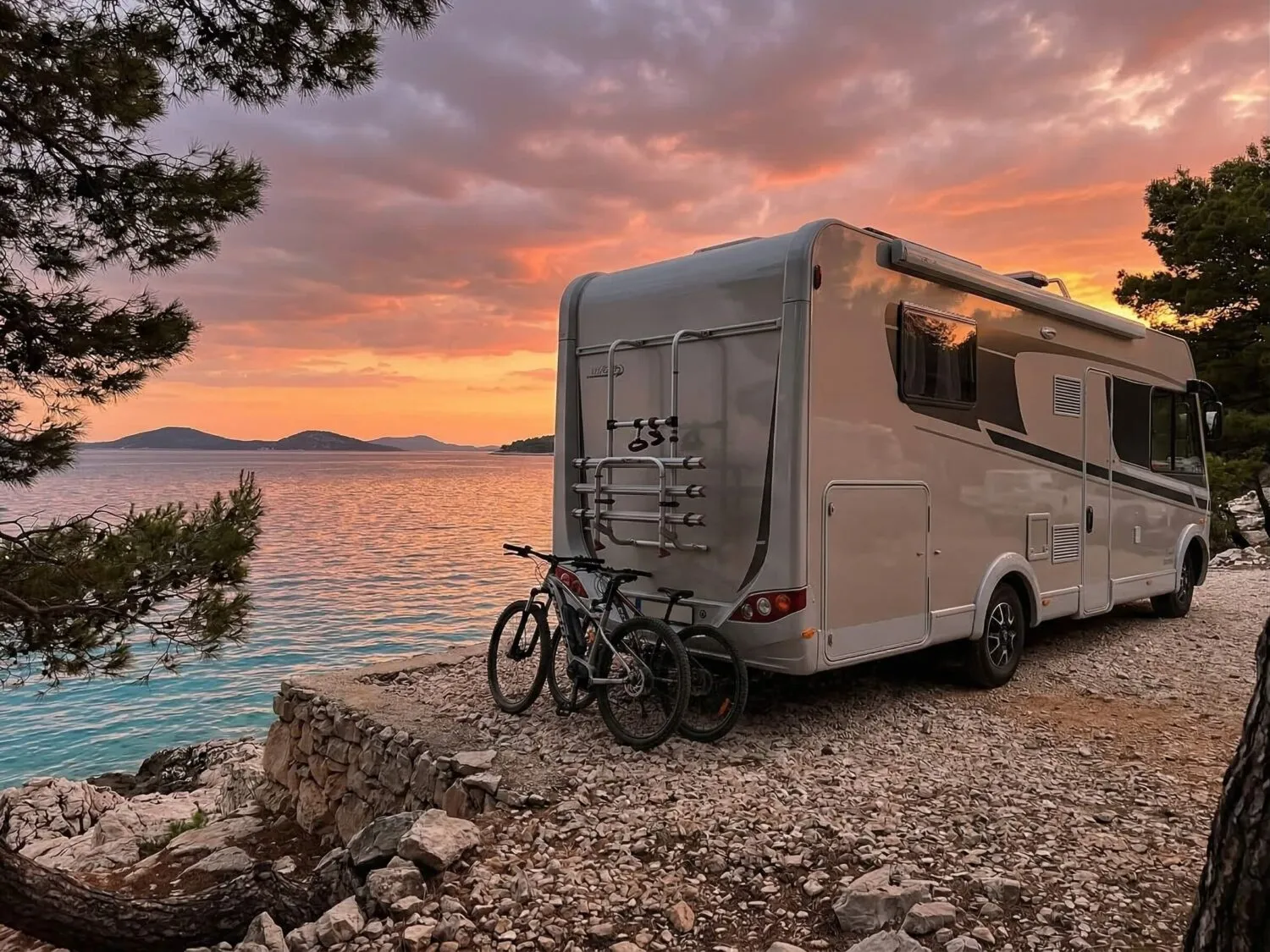
Exploring Costa Blanca by Motorhome
The Costa Blanca region is exceptionally well-suited for this style of travel because of the sheer density of interesting stops within short distances. Alicante serves as a brilliant gateway—its castle, waterfront, and vibrant food scene are perfect for day one. But the true magic happens when you push outward.
Consider driving north toward the towering cliffs of the Sierra de Bernia, where the mountains meet the sea in dramatic fashion. Or head south toward the salt lakes and golden dunes of Guardamar del Segura, an area rich in birdlife and tranquility.
Then there are the charming, winding streets of Altea, where the white-washed buildings climb toward a blue-domed church, offering one of the most picturesque views in the region.
Because these attractions are relatively close together, you can create a seamless itinerary that captures both the Mediterranean sun and the rich, rugged character of the Spanish interior.
You can find more inspiration for your motorhome travel around Costa Blanca by exploring local routes that bypass the traditional, overcrowded tourist traps. By traveling this way, you support local rural economies that often miss out on the revenue of hotel-bound tourists.
Baca Juga
Is Motorhome Travel Right for Everyone?
It is important to be balanced: motorhome travel offers a level of independence that few other holiday styles can match, but it is a distinct, hands-on experience. It requires a willingness to adapt, to manage your own resources, and to embrace the small, daily logistics of life on the road.
You must be comfortable with emptying tanks, maneuvering a larger vehicle, and sometimes dealing with minor technical issues.
For those who value absolute freedom, a deep connection to the landscape, and the joy of spontaneity, it is likely the most rewarding way to see Spain.
However, if you prefer the structured service, total passivity, and “room service” aspect of a resort stay, you may find the autonomous nature of a motorhome less relaxing. It is a trade-off: you swap hotel amenities for the front-row seat to the best views in the country.
Conclusion
Traveling by motorhome transforms the Spanish holiday from a static destination into a dynamic, living journey. By combining transport and lodging, you gain the freedom to craft an itinerary that fits your own personal rhythm, not the rhythm of a hotel schedule.
Whether you are seeking a quick weekend escape to recharge your batteries or a comprehensive, two-week tour of the Costa Blanca’s hidden corners, the open road offers a perspective on Spain that you simply cannot get from behind a hotel desk.
Pack light, plan loosely, and prepare to see the Mediterranean in a way that will change how you travel forever. Spain is waiting—and this time, you have the keys to your own front door.
alicante campervan travelcampervan holidaycosta blanca itinerarycosta blanca road tripcosta blanca travelindependent travel spainmotorhome holidaysmotorhome mistakesmotorhome spainmotorhome tipsmotorhome weekend triprent a motorhomeroad trip europeslow travel spainspain by camperspain travel guidespanish road triptravel freedomtravel independentvanlife spain
Artikel terkait lainnya