





Earning Money Online in 2026: Digital Opportunities Worth Exploring
 DEMOCRAZY News
19 September 2026 1:25 am
.
9 menit membaca
DEMOCRAZY News
19 September 2026 1:25 am
.
9 menit membaca

The internet has long evolved beyond being simply a place for communication, entertainment, and information.
Today, it is a full-fledged environment for work, entrepreneurship, independent projects, and building additional sources of income.
For some people, working online means remote employment or freelancing.
Others build websites, grow social media accounts, launch online stores, or work in digital advertising.
Another major area is affiliate marketing, where revenue is generated by attracting an audience and driving specific actions.
Among the specialized resources covering these industries is Digital Hustlers – an independent B2B media outlet focused on affiliate marketing, the performance economy, media buying, and iGaming.
The publication covers the people, technologies, business models, tools, and processes shaping the modern digital industry.
What Opportunities Does Online Work Offer?
The online economy includes a wide range of different fields.
Some involve selling professional skills, while others allow people to build scalable projects or monetize an existing audience.
Common areas include:
- freelancing;
- programming and IT;
- design;
- content creation;
- social media marketing;
- SEO;
- digital marketing;
- e-commerce;
- affiliate marketing;
- online education;
- digital product development.
Each of these areas has its own business model.
A freelancer, for example, typically gets paid for completed work, while a website owner can build organic traffic over time and monetize it through several different channels.
The ability to scale is one of the reasons why people are interested not only in traditional online professions but also in digital businesses.

Affiliate Marketing as a Digital Business Model
One of the fields that combines marketing, advertising, analytics, and audience development is affiliate marketing.
The basic principle is straightforward: a partner promotes a product or service and receives a commission when a predefined action is completed.
Depending on the affiliate program, this action can be a purchase, registration, application, app installation, deposit, or another conversion.
Affiliate marketing, however, is much broader than simply placing referral links.
The modern industry includes advertisers, affiliate networks, media buying teams, SEO projects, content publishers, technology companies, and numerous B2B service providers.
For those who want to understand the industry in greater detail, a complete guide to affiliate marketing covers its main models, verticals, market participants, and practical principles.
How Does the Affiliate Model Work?
In its simplest form, the model works as follows: a company has a product or service and wants to acquire new customers, a partner brings relevant users, and the partner receives a commission when a predefined conversion takes place.
For example, an e-commerce company may pay a partner a percentage of every purchase made by a customer who arrived through the partner’s referral link.
More complex models can involve affiliate networks, tracking platforms, advertising services, and other technology providers between the advertiser and the affiliate.
As a result, what may look like a simple referral model from the outside can involve a significant number of operational processes.
What Skills Are Needed to Work in Affiliate Marketing?
Working in affiliate marketing often requires a combination of different skills.
A media buyer needs to understand advertising platforms, audiences, creatives, and performance metrics.
An SEO specialist needs knowledge of search optimization, content, and technical website factors.
Content teams work with editorial strategy, written materials, and audience development.
Analytics also plays an important role across many areas of the industry.
Professionals may work with metrics such as CPM, CPC, CPA, CR, ROI, and ROAS.
These indicators help evaluate the cost of acquiring users and the effectiveness of particular traffic sources.
The exact skill set depends on the role.
An SEO specialist does not necessarily need deep media buying expertise, while a media buyer does not need to be a programmer.
SEO and Content as a Digital Business Model
SEO remains one of the ways to build a long-term source of organic traffic.
A website can create content around informational and commercial search queries, gradually increase its visibility in search engines, and develop its own audience.
Once traffic has been established, different monetization models can be used, including advertising, affiliate programs, selling products, lead generation, or a combination of several approaches.
Unlike paid advertising, where traffic is directly connected to a budget, SEO involves gradually building a long-term content asset.
At the same time, results are not guaranteed and depend on competition, content quality, technical factors, search demand, and many other variables.
Baca Juga
Social Media and Personal Branding
Social media is another major part of the digital economy.
Content creators can monetize their audiences through sponsored content, affiliate programs, their own products, consulting, or other business models.
For companies, social media provides a way to communicate with potential customers, build brand awareness, and maintain relationships with an existing audience.
However, having a large number of followers does not automatically translate into high income.
Audience relevance, engagement, geography, and the ability to turn attention into a specific business action are also important.
A smaller but highly relevant audience can sometimes be more valuable to a business than a much larger audience with little connection to the product or service.

iGaming and the Affiliate Ecosystem
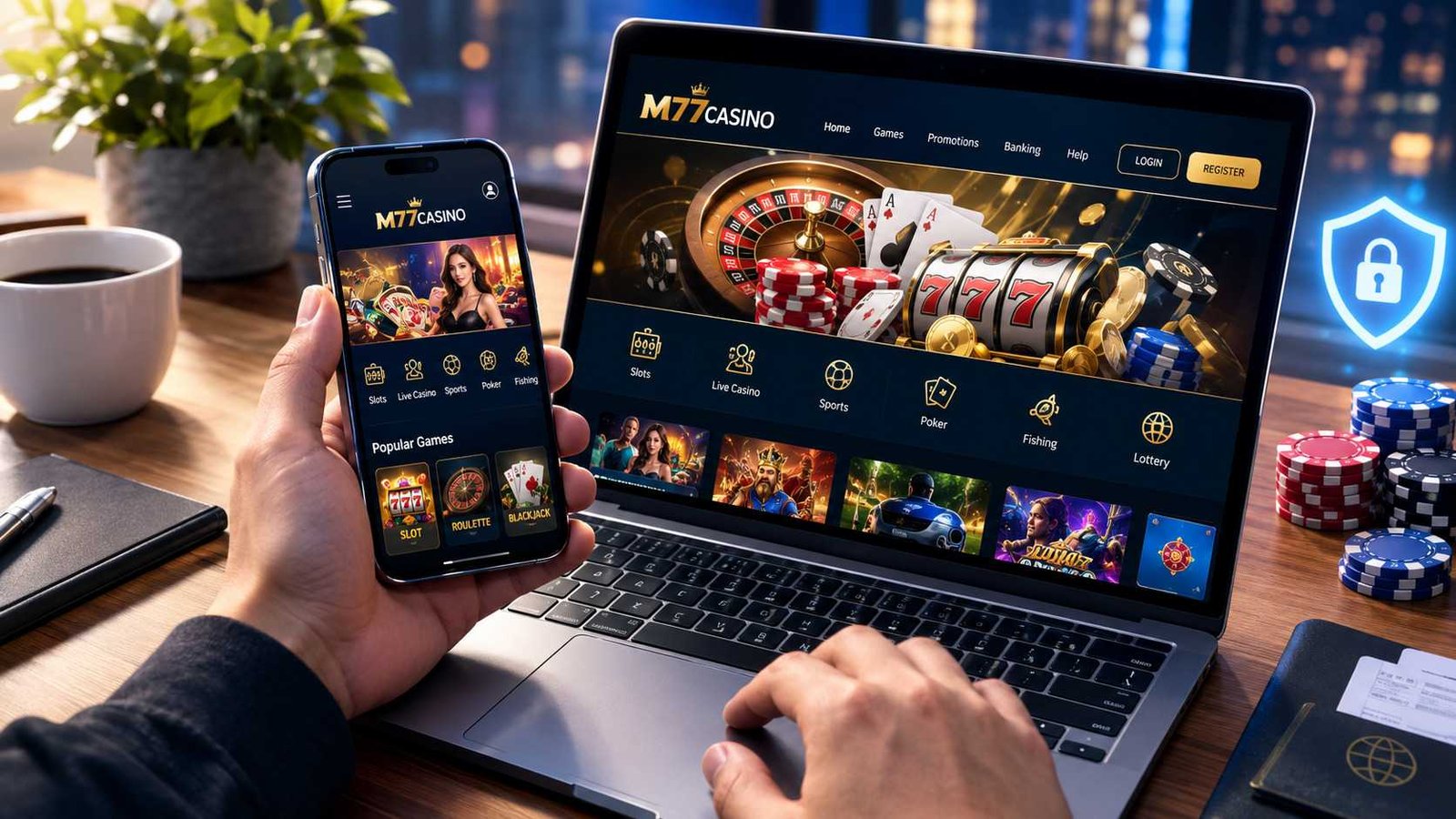
iGaming represents another major segment of the affiliate ecosystem.
It is a broad industry that includes online casinos, betting companies, operators, game providers, affiliate teams, advertising platforms, and various technology and financial service providers.
For those who want to understand how this market is structured, a guide to the iGaming industry covers its key participants, verticals, business models, and the way the ecosystem operates.
iGaming also demonstrates how closely marketing, technology, finance, and regulation can be connected within the modern digital economy.
At the same time, working with gambling-related products requires compliance with the legislation and regulatory requirements of the relevant market.
Rules can vary significantly between jurisdictions, making local regulatory knowledge an important part of operating in the sector.
Can You Start Without a Large Budget?
Not every digital field requires significant upfront investment.
For example, someone can start by developing a professional skill and looking for their first clients.
Another option is to build a content project or develop a presence on social media.
Affiliate marketing can also be approached gradually, beginning with education, market research, and small-scale testing.
However, having a limited budget does not mean there are no costs involved.
In digital business, time, knowledge, access to tools, and the ability to run experiments are also important resources.
The required investment also depends heavily on the chosen model.
Building an SEO website and buying paid traffic, for example, have very different cost structures.
Why You Should Not Expect Instant Results
One of the most common misconceptions about making money online is treating digital work as a way to generate guaranteed income within a short period of time.
In reality, results depend on many factors.
For freelancers, these include skill level, specialization, portfolio quality, and the ability to find clients.
For SEO, factors include website quality, content, competition, technical optimization, and search demand.
In paid advertising, campaign economics and traffic quality play an important role.
In affiliate marketing, the offer, traffic source, audience, creatives, conversion rate, tracking, and many other variables can affect performance.
This means that virtually every digital field requires learning, testing, and gradually building practical experience.
How to Choose a Digital Field
There is no single digital field that works equally well for everyone.
Someone who enjoys writing may find content or SEO more suitable.
People interested in numbers, advertising, and performance metrics may explore performance marketing or media buying.
Those with technical skills can consider programming, analytics, or digital product development.
It is also important to decide whether you want to work primarily as a specialist or build your own business.
At the beginning, it can make sense to explore several areas and then focus on the direction that combines personal interest, existing skills, and opportunities for professional development.
Another useful factor is the learning curve.
Some fields can be entered relatively quickly, while others require months or years of training before a person can compete effectively.

The Digital Economy Continues to Change
The online economy continues to evolve alongside technology.
Advertising platforms, search algorithms, social networks, content formats, and user behavior all change over time.
New automation and artificial intelligence tools are also creating additional opportunities.
At the same time, these changes are raising expectations for digital professionals.
The ability to learn quickly, work with data, understand changing platforms, and adapt to new conditions is becoming increasingly important for people building careers or businesses online.
This also means that skills that are valuable today may need to be updated as technologies and market conditions change.
Digital Skills Are Becoming More Connected
Modern digital roles are increasingly interconnected.
An SEO specialist may need to understand content strategy and analytics.
A media buyer can benefit from knowledge of landing pages, conversion optimization, and creative production.
A content creator may use SEO, social media distribution, and affiliate partnerships to monetize an audience.
This creates opportunities for people who can combine several related skills rather than focusing exclusively on one narrow area.
For businesses, the same principle applies.
Successful digital projects often depend on cooperation between marketing, technology, sales, content, analytics, and operations.
Online Income as Part of the Digital Economy
Making money online in 2026 is not a single profession or a universal formula.
It is a broad ecosystem where technology, marketing, content, advertising, analytics, and entrepreneurship intersect.
Affiliate marketing is one part of this ecosystem, but it clearly demonstrates how closely different digital skills and business models can be connected.
For beginners, the most practical approach is not to look for a guaranteed way to make money quickly.
A better starting point is to choose a field, develop the necessary skills, understand how its business model works, and gradually move from theory to practical experience.
As the digital economy continues to evolve, new opportunities will emerge alongside new challenges.
The people and businesses that can adapt, learn, test new approaches, and understand the underlying economics of their chosen field will be better positioned to build sustainable online projects.
affiliate industryaffiliate marketingdigital businessdigital marketinge-commerceearning money onlineigamingmake money onlineonline incomeonline workseosocial media
Artikel terkait lainnya