



A Pre Installation Checklist for a Hybrid Inverter and Battery System
 DEMOCRAZY News
16 September 2026 3:17 pm
.
4 menit membaca
DEMOCRAZY News
16 September 2026 3:17 pm
.
4 menit membaca
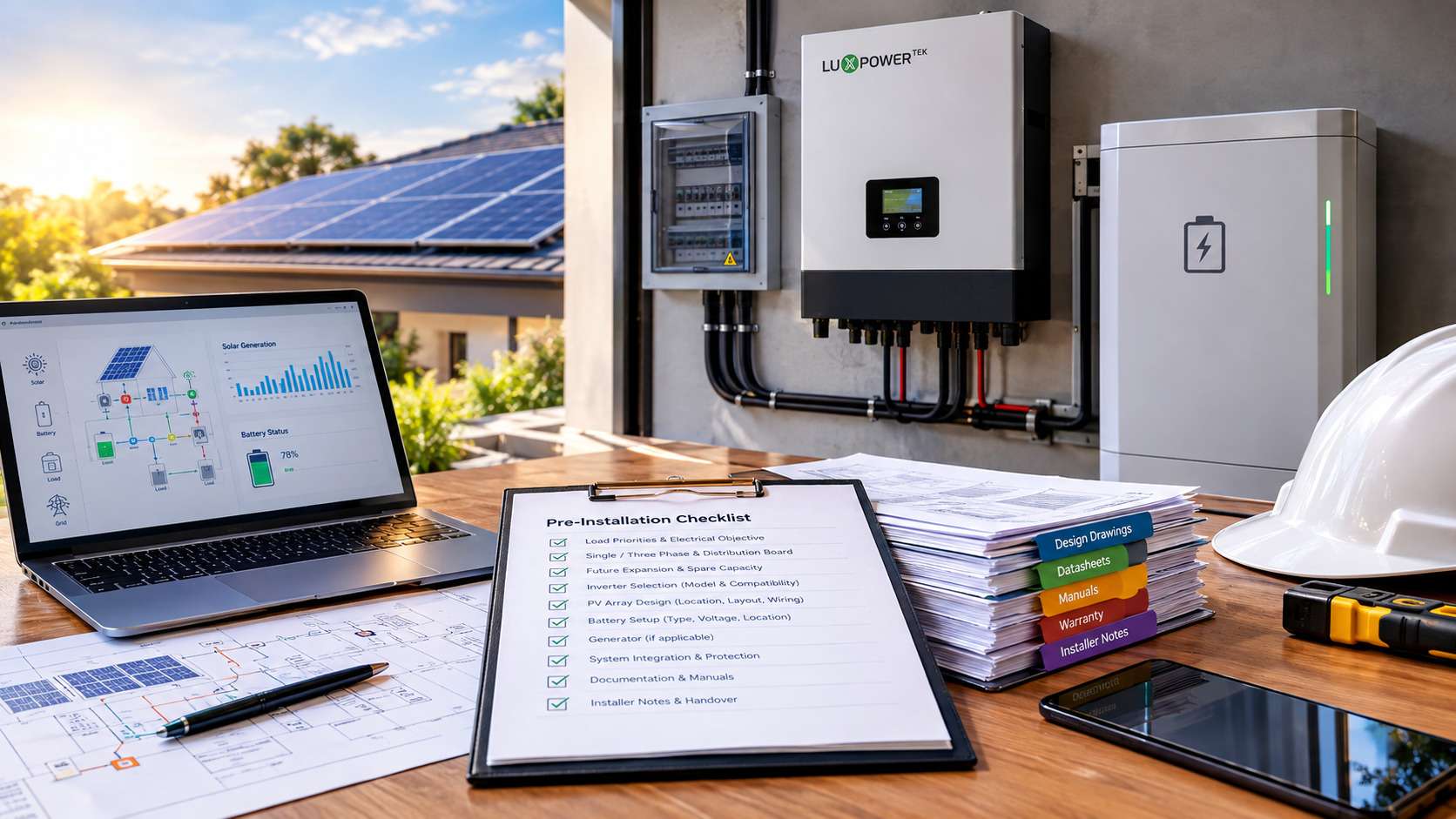
A hybrid inverter installation should be planned before equipment arrives on site.
The project team needs agreement on load priorities, supply type, solar array design, battery selection, generator role if applicable, and the physical place where each component will be installed.
A checklist converts these broad decisions into items that can be confirmed before wiring begins, reducing the chance that an installer discovers a missing requirement after mounting equipment.
Begin with the electrical objective. Decide whether the system is intended for selected backup circuits, wider home coverage, daily solar use, business continuity, or a mixture of outcomes.
Record the appliances or circuits that matter most and identify any motor starts or high-demand equipment.
This list is more useful than a single total power figure because it connects the system design to the actual behavior expected during an outage or normal day.

Confirm whether the site is single phase or three phase and review the distribution board accordingly.
This affects the type of inverter family that should be considered and the way loads, metering, protection, and backup circuits are arranged.
If the building may later add equipment, note the expected demand and available space.
Future growth should be a documented assumption rather than a reason to oversize every part without a plan.
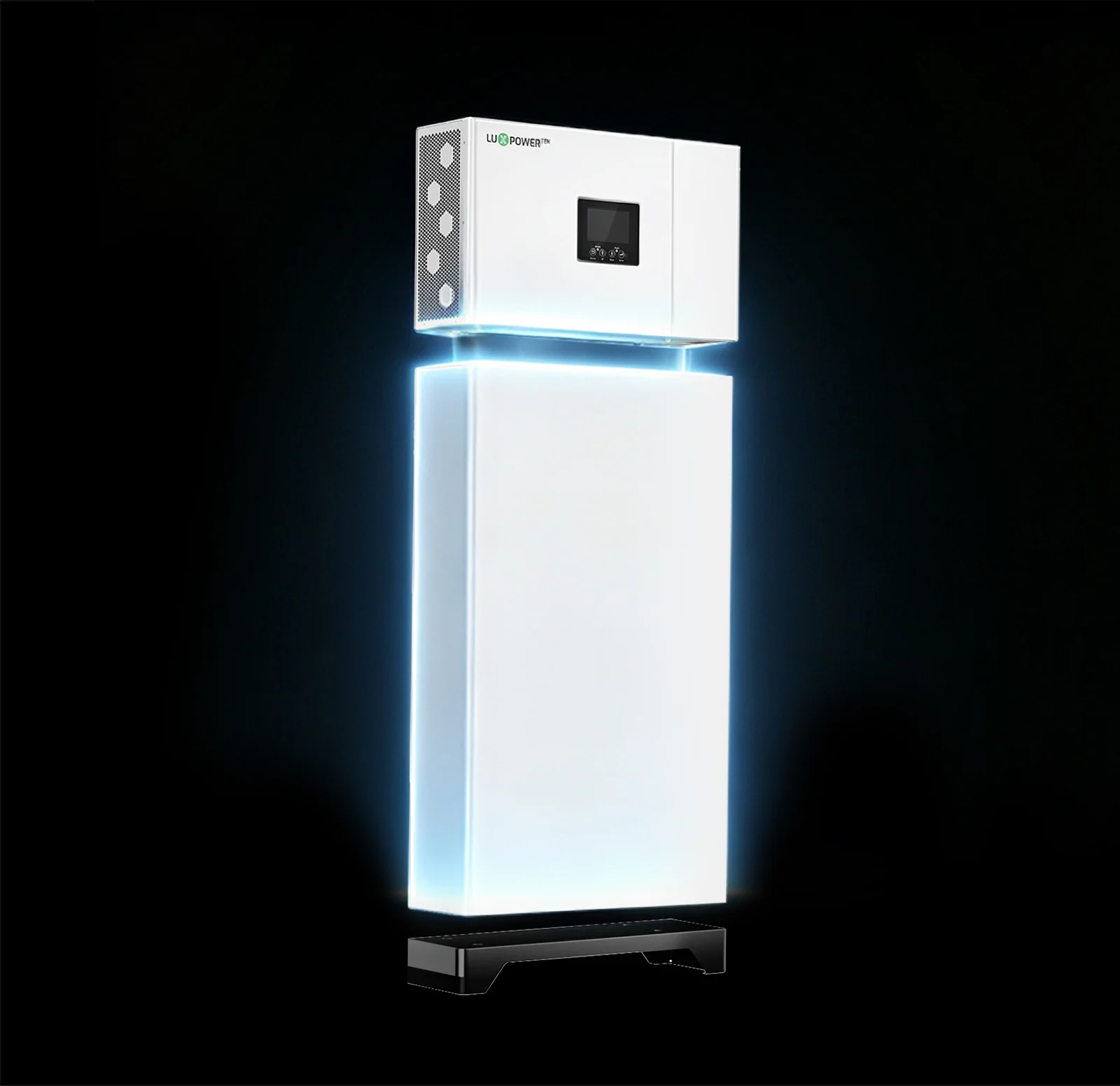
A products overview for luxpower hybrid inverter options can help a buyer compare hybrid, off-grid, and all-in-one system directions.
The selection should then be narrowed using the site phase type, measured loads, battery voltage and compatibility, PV input requirements, installation environment, and the current manual for the exact proposed model.
Review the PV design independently. Confirm the roof or ground-mount location, shading, string layout, voltage and current limits, cable pathways, isolation points, and surge protection approach.
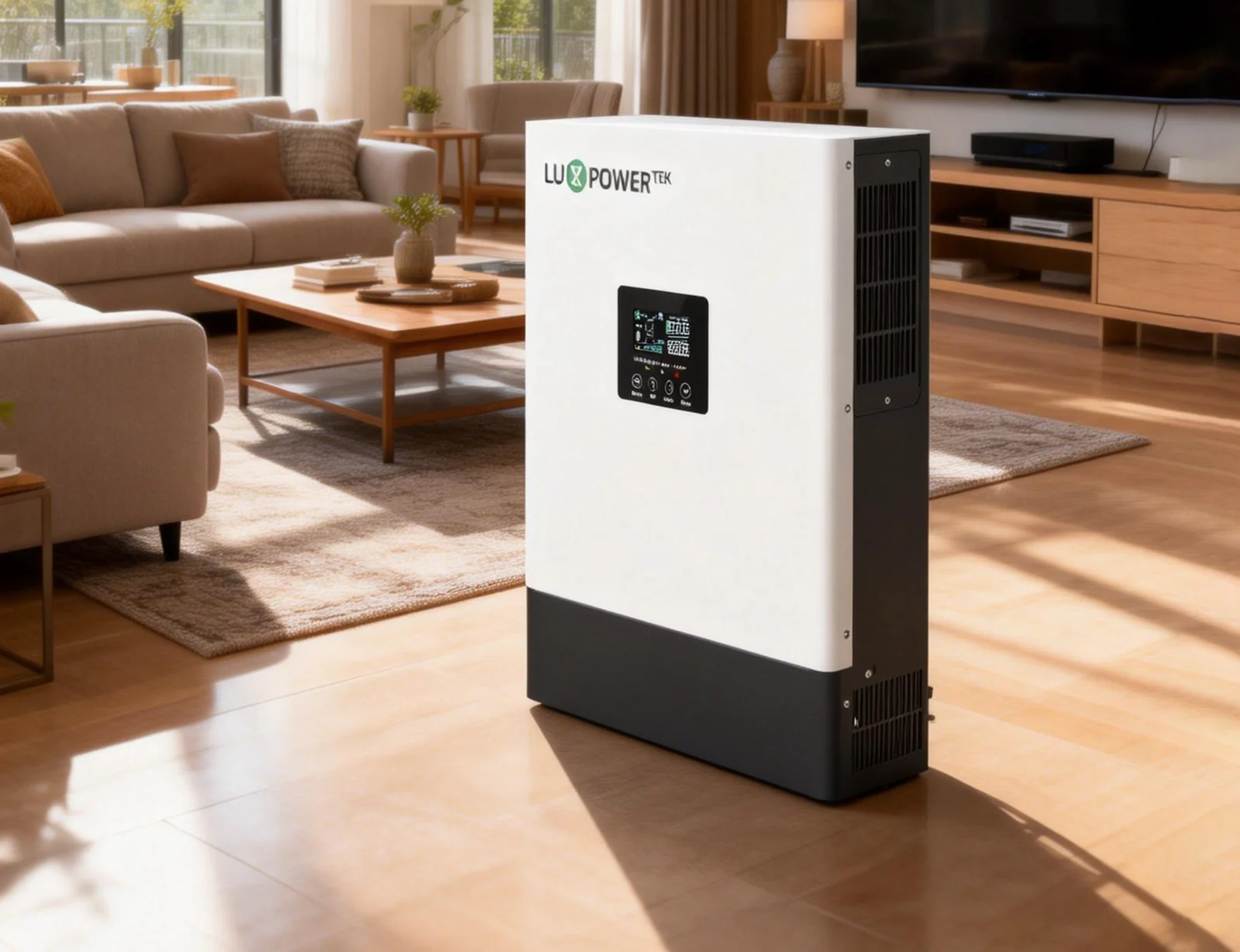
Solar production and battery backup complement one another, but they are not the same design question.
A site may have an excellent daytime array while still needing a defined battery reserve and load-shedding approach for evening outages.
Check the battery arrangement and physical location before ordering.
Verify approved compatibility, module count, communication method, cables, protective devices, mounting space, ventilation needs, and access for service.
The inverter and battery should be assessed as an integrated system.
A simple compatibility confirmation can prevent a difficult commissioning issue after the equipment has been fixed to the wall or placed in a cabinet.
Collect documents in one project folder: load schedule, single-line or site drawing, product datasheets, manuals, battery compatibility information, warranty terms, and installer notes.
Record model numbers and hardware revisions as equipment is delivered.
These documents assist commissioning and provide a reliable reference if the owner later needs support, changes a battery bank, or adds loads to the property.
A thorough pre-installation checklist gives a hybrid project a clear starting point.
When loads, phase type, PV strings, storage, location, and documentation are reviewed before installation, the chosen system can be configured around the site’s real priorities instead of being adjusted through avoidable changes during commissioning.
Assign ownership for each unanswered item before installation begins.

The owner may provide the load list, the installer may confirm cable and protection design, the PV team may approve strings, and the supplier may verify current equipment compatibility.
Close the list only when the requested documents and site conditions are available.
This avoids a common project failure in which equipment is delivered before the technical decisions are complete.
A named owner for each open item keeps the installation moving without hiding unresolved risks.
Baca Juga
Keep copies of the approved drawings, equipment identifiers, settings record, and handover notes in a shared location.
Future maintenance is simpler when the people servicing the system can see the original design intent rather than reconstructing it from labels and recollection.
battery compatibilityelectrical load planninghome backup powerhybrid inverterhybrid inverter installationhybrid solar systeminverter setup checklistluxury power inverterphase electrical systemphotovoltaic designrenewable energy setupsolar battery storagesolar energy guidesolar energy systemsolar installationsolar inverter guidesolar panel mountingsolar power installationsolar power projectsolar system commissioning
Artikel terkait lainnya