





3 Things You Didn’t Know About the Second Richest Person in the World
 DEMOCRAZY News
8 September 2026 2:46 pm
.
4 menit membaca
DEMOCRAZY News
8 September 2026 2:46 pm
.
4 menit membaca
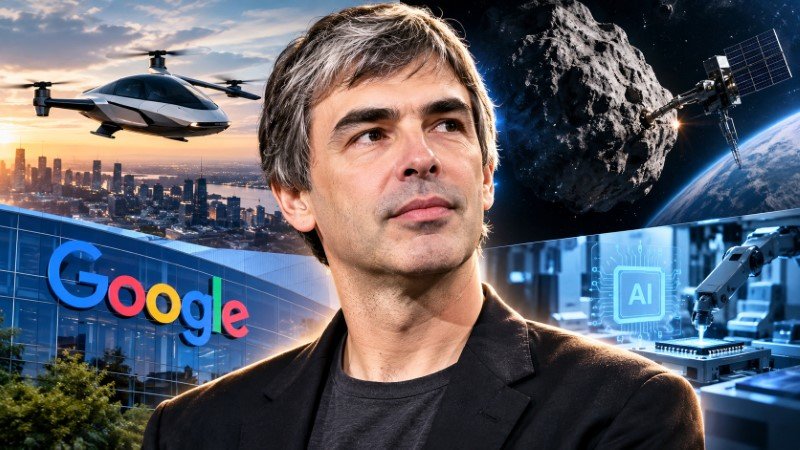
Ask most people to name the second-richest person in the world, and Larry Page probably isn’t the first name they’d say.
The guy is rarely in the limelight apart from just a few occasions, and his name is mentioned here and there as the primary visionary and first CEO of Google.
On the other hand, the first guess for many people would revolve around Elon Musk, Jeff Bezos, maybe Mark Zuckerberg or Bill Gates.
Truth is, Larry Page, co-founder of Google alongside Sergey Brin, is one of the world’s richest people, ranking second behind Elon Musk in 2026.
According to Forbes, Fineducke and Bloomberg billionaires’ index, his fortune is estimated at around $257 billion, putting him ahead of his longtime business partner, Sergey Brin, and firmly among the world’s wealthiest technology founders.
Page has never been a typical billionaire celebrity.
He rarely gives interviews, keeps a low public profile, and stepped away from running Google’s parent company, Alphabet, years ago.
That doesn’t mean he’s been sitting on the sidelines.
Some of the projects he’s backed over the years read more like science fiction than standard billionaire investments.
Here are three of them.
1. He Funded a Flying Car for Years
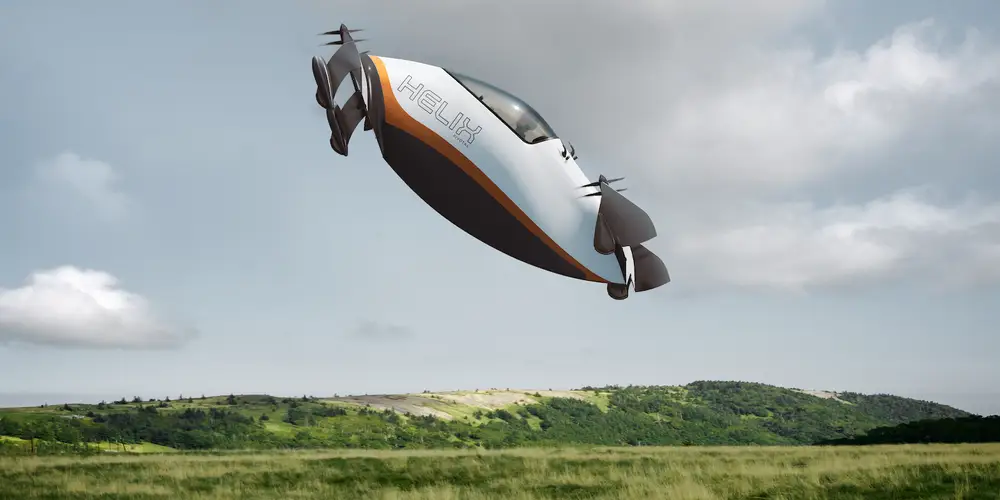
Around 2010, Page became the main financial backer of a secretive startup called Zee.Aero, working on an electric aircraft that could take off and land vertically and eventually function like a flying car.
He reportedly invested around $100 million of his own money into the project.
The company later became Kitty Hawk Corporation and spent roughly a decade trying to turn the idea into reality.
It didn’t get there.
Kitty Hawk shut down in 2022 without bringing a flying car to the mass market.
Most people who accumulate billions eventually shift toward protecting their wealth.
Page has repeatedly put large sums behind ideas that might take years to pay off, or might not pay off at all.
The flying car was one of them.
2. He Kept Building Companies After Stepping Back
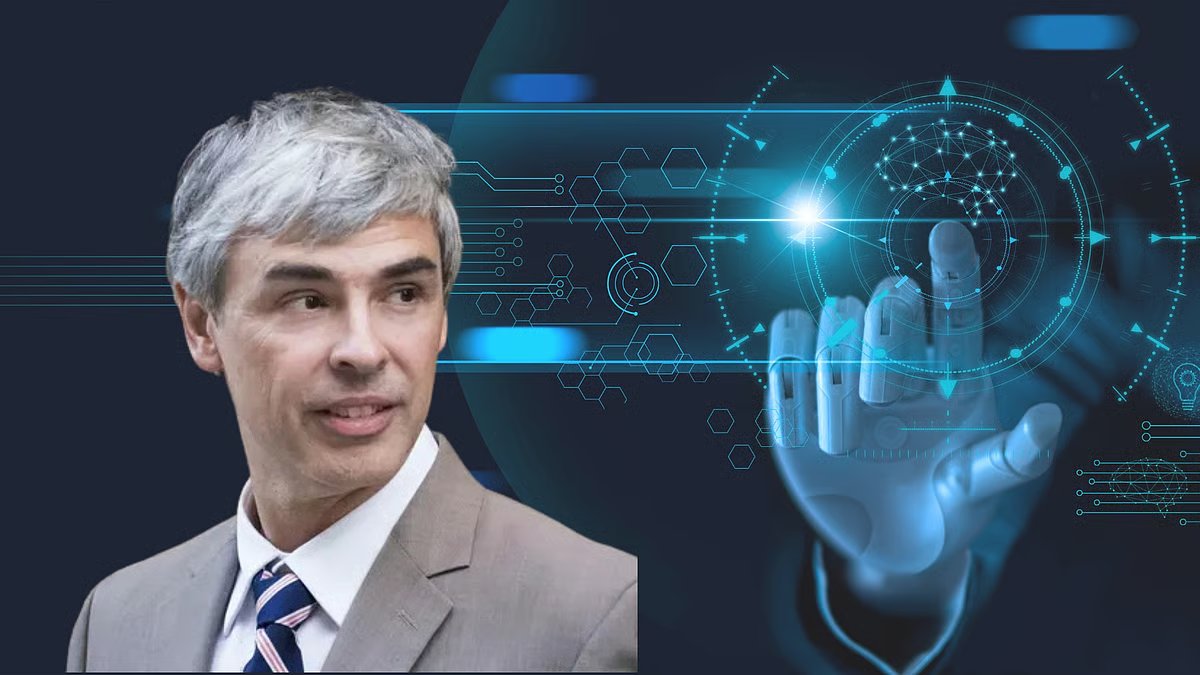
When Page stepped down as Alphabet’s CEO in 2019, it looked like his company-building days were behind him.
He’s since been associated with another low-profile venture called Dynatomics, an AI manufacturing startup that emerged in the 2020s.
There isn’t much public information on the company, which fits Page’s preference for staying out of the spotlight.
Reportedly, Dynatomics is focused on using AI to speed up and cut the cost of product design and manufacturing, essentially making it faster to go from an idea for a physical product to actually producing it.
Google was built around organizing information on the internet.
Dynatomics, if the reports are accurate, is aimed at making it easier to design and manufacture physical things.
Not the direction people expect from someone who supposedly retired from tech.
3. He Bet on Mining Asteroids
Page was also a personal investor in Planetary Resources, a company aiming to send spacecraft to near-Earth asteroids and extract resources like water and valuable minerals.
The technology was difficult, the costs were massive, and there was no guarantee asteroid mining would ever be commercially viable.
The bet didn’t pay off.
Planetary Resources failed to deliver on its ambitions, and its assets were acquired by ConsenSys in 2018.
Flying cars, asteroid mining, AI manufacturing: three very different bets, all funded by the same person.
The Part Most People Miss
Larry Page’s public image is still tied to the early days of Google: the Stanford computer scientist, the search engine, the PageRank algorithm, the company that became one of the most valuable businesses in the world.
That version of Page is more than two decades old.
After stepping away from Alphabet’s day-to-day leadership, he didn’t stop putting money into ambitious ideas, most of which most people have never heard of.
Some failed, like Kitty Hawk and Planetary Resources.
Others could still turn into something significant.
Either way, his fortune isn’t just sitting in an Alphabet stake collecting dividends.
Want to explore more?
Discover the companies, business empires, and ownership stories behind some of the world’s wealthiest people in Fineducke’s Company Profiles.
Artikel terkait lainnya