






Wine Training for Hotels and Resorts: How to Build a More Confident Service Team
 DEMOCRAZY News
18 Oktober 2026 12:38 am
.
9 menit membaca
DEMOCRAZY News
18 Oktober 2026 12:38 am
.
9 menit membaca
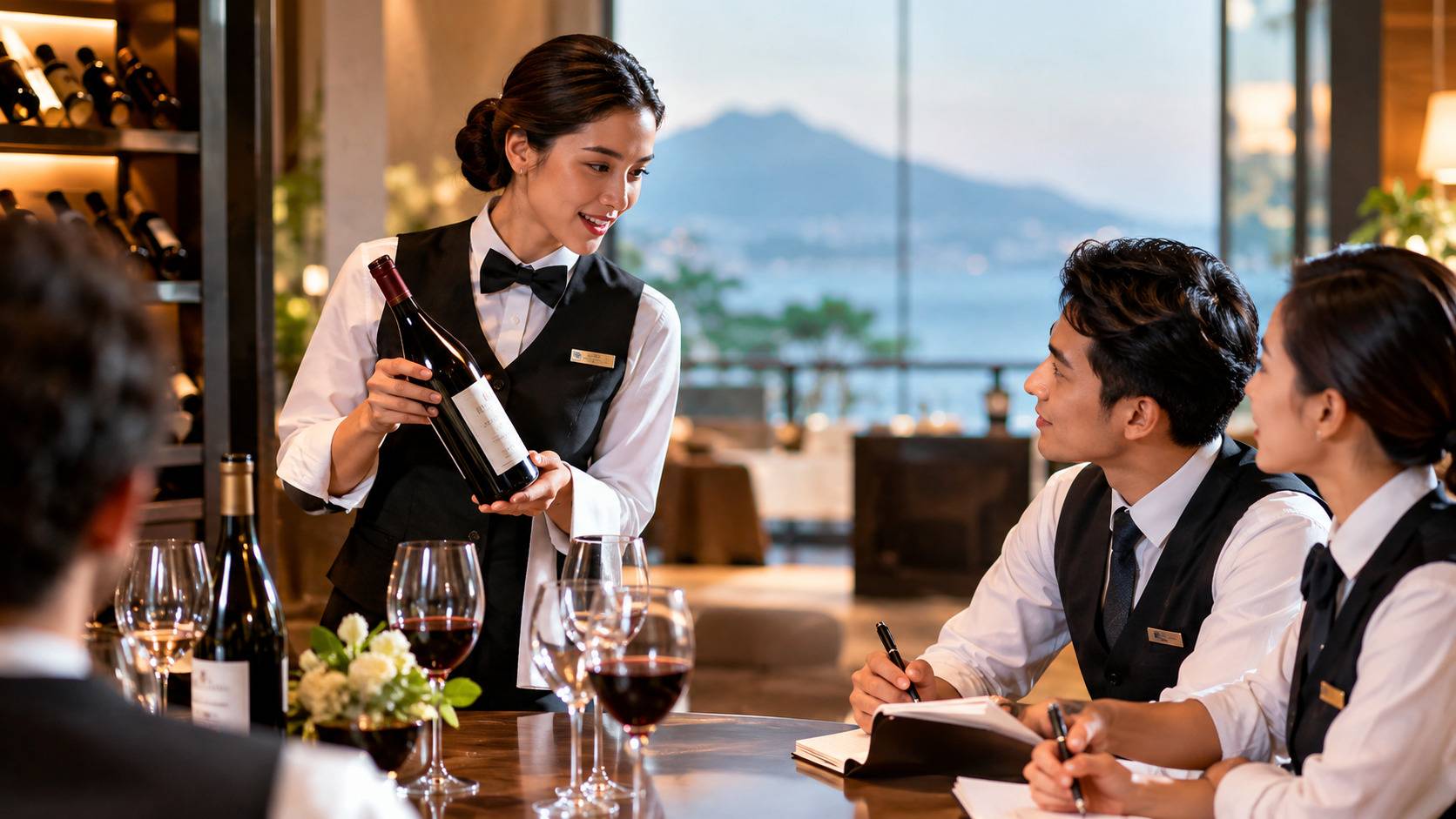
Boosting Staff Skills: Effective Wine Training Strategies for Hospitality Teams
Wine service can shape a guest’s perception of a hotel, restaurant, or resort.
A thoughtful recommendation, a clear explanation of a wine list, and an appropriate food pairing can make a meal feel more personal.
However, these experiences depend on more than the quality of the wine itself.
They also require staff who understand the menu, communicate confidently, and know how to help guests make informed choices.
For hospitality businesses, wine education is therefore a practical part of staff development.
It can establish consistent service standards, improve communication between front-of-house and kitchen teams, and help employees understand the products they serve.
The challenge is to introduce training that fits the operational demands of a busy hospitality environment.
Why Wine Knowledge Matters in Hospitality
Guests have different levels of wine knowledge and different expectations.
Some arrive with a clear idea of the bottle they want.
Others prefer a simple recommendation that suits their meal, budget, or personal taste.
Staff members who lack confidence may respond with generic suggestions or avoid discussing the wine list altogether.
Even when a restaurant offers a carefully selected range, guests may struggle to appreciate it if employees cannot explain the differences between the available options.
Wine knowledge helps staff move beyond basic descriptions.
They can explain whether a wine is light or full-bodied, identify its main flavour characteristics, and suggest a suitable pairing without overwhelming the guest with technical terminology.
For hotels and resorts, this knowledge is especially relevant because teams often serve international visitors with different cultural expectations and levels of familiarity with local wines.
The objective is not to turn every employee into a professional sommelier.
It is to give each team member the knowledge required for their responsibilities and establish a clear standard for more complex questions.
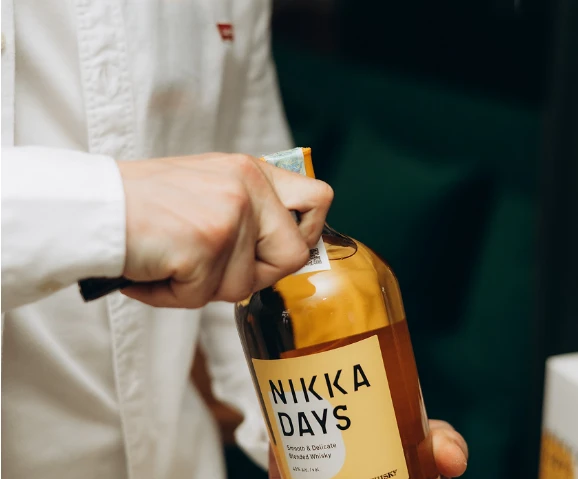
The Most Important Wine Skills for Hotel and Restaurant Teams
Understanding the Wine List
Employees should know the main wines available, their general styles, their grape varieties where relevant, and their countries or regions of origin.
They should also understand the difference between terms such as dry, sweet, sparkling, light-bodied, and full-bodied.
This foundation makes it easier to answer common questions and compare wines in language that guests can understand.
Managers can support the process by creating concise reference sheets for the restaurant’s most important wines.
Each entry might include the wine’s style, key characteristics, recommended dishes, serving temperature, and price.
The reference sheet should support staff knowledge rather than replace it.
Employees need opportunities to practise explaining these details naturally.
Recommending Food and Wine Pairings
Food pairing is one of the most useful practical skills in wine service.
A recommendation should consider the complete dish rather than simply matching red wine with meat and white wine with fish.
Sauces, acidity, sweetness, cooking methods, seasoning, and texture can all influence how a wine works with a meal.
A delicate white wine, for example, may suit a lightly seasoned seafood dish, while a richer preparation could require a wine with greater body.
Hospitality teams do not need to memorise every possible combination.
Baca Juga
They need a basic framework for understanding balance and a working knowledge of the restaurant’s menu.
Regular communication between chefs, restaurant managers, and beverage staff can make these recommendations more consistent.
Communicating Without Excessive Jargon
Technical knowledge is valuable only when employees can communicate it effectively.
Guests rarely need a lengthy lecture about winemaking methods when they simply want to choose a bottle for dinner.
Staff should practise translating wine terminology into straightforward descriptions.
Instead of relying on a technical explanation of acidity, an employee might describe a wine as fresh and crisp, particularly when discussing its suitability for seafood or lighter dishes.
Good service also involves asking useful questions.
Does the guest prefer something light or rich?
Are they looking for a familiar style or interested in trying something new?
Is the wine intended to accompany a particular dish?
These questions help employees make recommendations that respond to individual preferences rather than defaulting to the most expensive option.
How to Introduce Wine Training Without Disrupting Operations
Hospitality businesses operate around service schedules, seasonal demand, staff turnover, and changing occupancy levels.
Training needs to account for these constraints.
Start With a Skills Assessment
Before choosing a training programme, managers should identify what the team already knows and where additional support is needed.
A short assessment can cover the ability to describe the wine list, explain basic wine styles, recommend pairings, and follow appropriate service procedures.
Managers should distinguish between roles.
A restaurant manager may need a broader understanding of purchasing, stock management, and menu planning, while a server may benefit most from product knowledge and guest communication skills.
This assessment helps the business focus its resources on relevant learning objectives.
Combine Short Learning Sessions With Practical Exercises
Long training sessions are not always easy to accommodate during a busy service schedule.
Short, focused sessions can make learning more manageable.
A team might study a small selection of wines each week, review their characteristics, and practise answering typical guest questions.
Where appropriate, supervised tastings can help employees connect written descriptions with actual aromas, flavours, and textures.
Practical exercises should reflect real service situations.
For example, an employee might be asked to recommend a wine for a guest ordering a particular dish, explain two alternatives at different price points, or respond to a question about a wine’s sweetness.
Managers can then provide feedback and identify areas for further practice.
Consider Online Learning for Flexible Staff Development
Online education can be useful when employees work different shifts, when a resort is geographically remote, or when a business needs a consistent learning resource for several team members.
Online sommelier courses can be one option for professionals seeking structured wine education.
Before selecting a programme, hospitality managers should review its syllabus, teaching format, opportunities for practical application, and suitability for the intended learners.
Online learning should complement operational training rather than replace it.
Employees still need to understand the property’s wine list, service standards, menu, and guest profile.
General wine knowledge becomes most useful when it is connected to the products and situations employees encounter at work.

Building a Wine Training Plan for a Resort
A resort can organise its wine education around a few practical stages.
Stage 1: Establish the baseline.
Review staff knowledge, common guest questions, and recurring service difficulties.
Identify the roles that require introductory knowledge and those that need more advanced skills.
Stage 2: Set clear objectives.
Choose measurable learning goals, such as explaining the main wine styles on the menu, making appropriate pairing suggestions, or describing several local wines accurately.
Stage 3: Select learning resources.
Combine internal reference materials, supervised practice, tastings where appropriate, and relevant professional education.
Assign responsibility for coordinating the programme.
Stage 4: Apply the knowledge during service.
Encourage employees to use their learning when discussing wines with guests.
Managers can observe interactions and provide constructive feedback.
Stage 5: Review progress.
Ask staff which questions remain difficult, review guest feedback where available, and check whether recommendations are becoming more consistent.
Update the training plan as the menu, team, and business needs change.
This approach is particularly useful for seasonal destinations, where new employees may join shortly before a busy period.
A structured induction programme gives them a clear foundation without requiring every training decision to be made from scratch.
How Managers Can Evaluate Training Effectiveness
Training should be evaluated against its original objectives rather than assumptions about its commercial impact.
Managers can review whether employees demonstrate stronger product knowledge, explain wine styles more accurately, follow service procedures, and make recommendations that suit the menu.
Short knowledge checks and manager observations can provide useful evidence of progress.
Guest comments may also reveal whether explanations are clear and service feels more personalised.
However, customer feedback should be interpreted alongside other information rather than treated as proof that a particular training programme caused a change.
Commercial indicators, including wine sales and average spend, can be monitored when relevant, but they are influenced by many factors: pricing, seasonality, guest demographics, menu changes, and purchasing patterns.
Any evaluation should account for these variables and avoid attributing changes to training without sufficient evidence.
The most useful long-term measure is whether wine knowledge becomes part of everyday service practice rather than remaining information employees recall only during a training session.
About Matthew’s Wine School
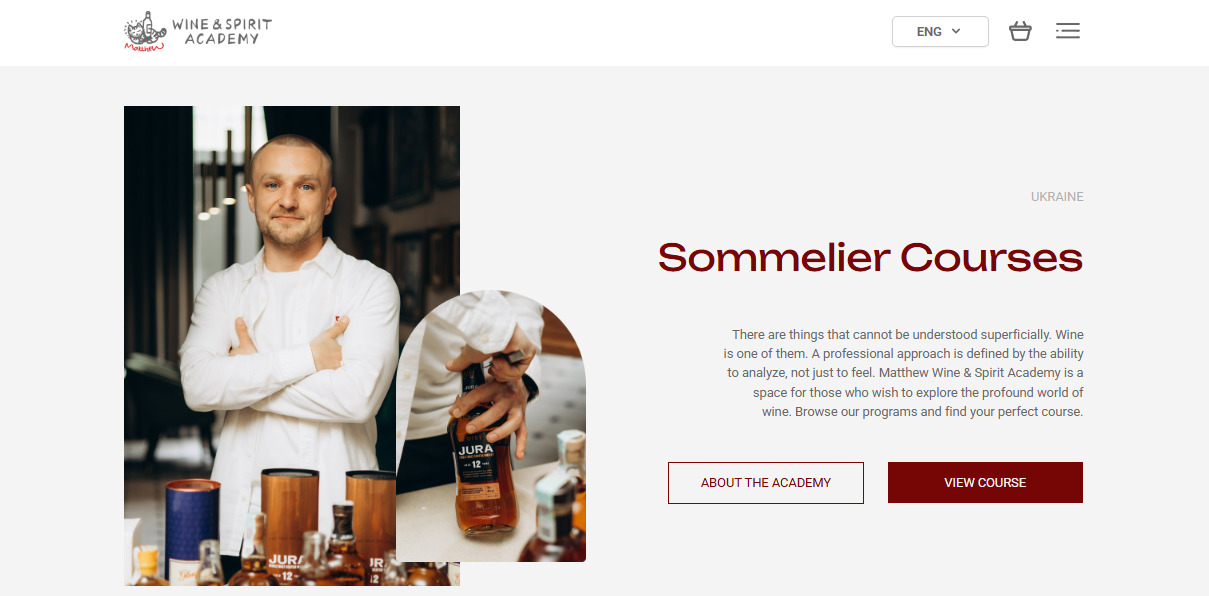
Matthew’s Wine School, presented on its official website as Matthew Wine & Spirit Academy, is a wine education provider offering learning opportunities related to wine knowledge and sommelier training. Its online courses cover subjects including grape varieties, wine regions, tasting, and food pairing. Hospitality professionals can review the available programmes to determine whether they suit their learning objectives.
Conclusion: Make Wine Knowledge Part of Service Quality
A well-trained hospitality team can explain a wine list more clearly, respond to guest preferences, and make food pairing a more considered part of the dining experience.
Achieving this requires a combination of foundational knowledge, practical exercises, clear service standards, and ongoing feedback.
Hotels, restaurants, and resorts should begin with the needs of their teams and build training around the situations employees encounter every day.
Online education can support this process, particularly when flexible access is important, while local product knowledge and practical service experience remain essential.
For hospitality managers, the next step is straightforward: identify the team’s most important knowledge gaps, define realistic learning objectives, and choose training resources that help employees apply what they learn.
A consistent approach makes wine education a practical element of staff development rather than an isolated activity.

food and wine pairingfront of house trainingguest experiencehospitality careerhospitality industryhospitality managementhospitality skillshospitality traininghotel beverage managementhotel service excellencehotel wine serviceresort staff developmentrestaurant staff trainingsommelier trainingstaff developmentwine educationwine knowledgewine list trainingwine service standardswine training
Artikel terkait lainnya