





Streamlining Global Trade: How Indonesian Businesses Can Seamlessly Pay Suppliers in the US, UK, and Europe
 DEMOCRAZY News
25 Agustus 2026 1:17 am
.
6 menit membaca
DEMOCRAZY News
25 Agustus 2026 1:17 am
.
6 menit membaca
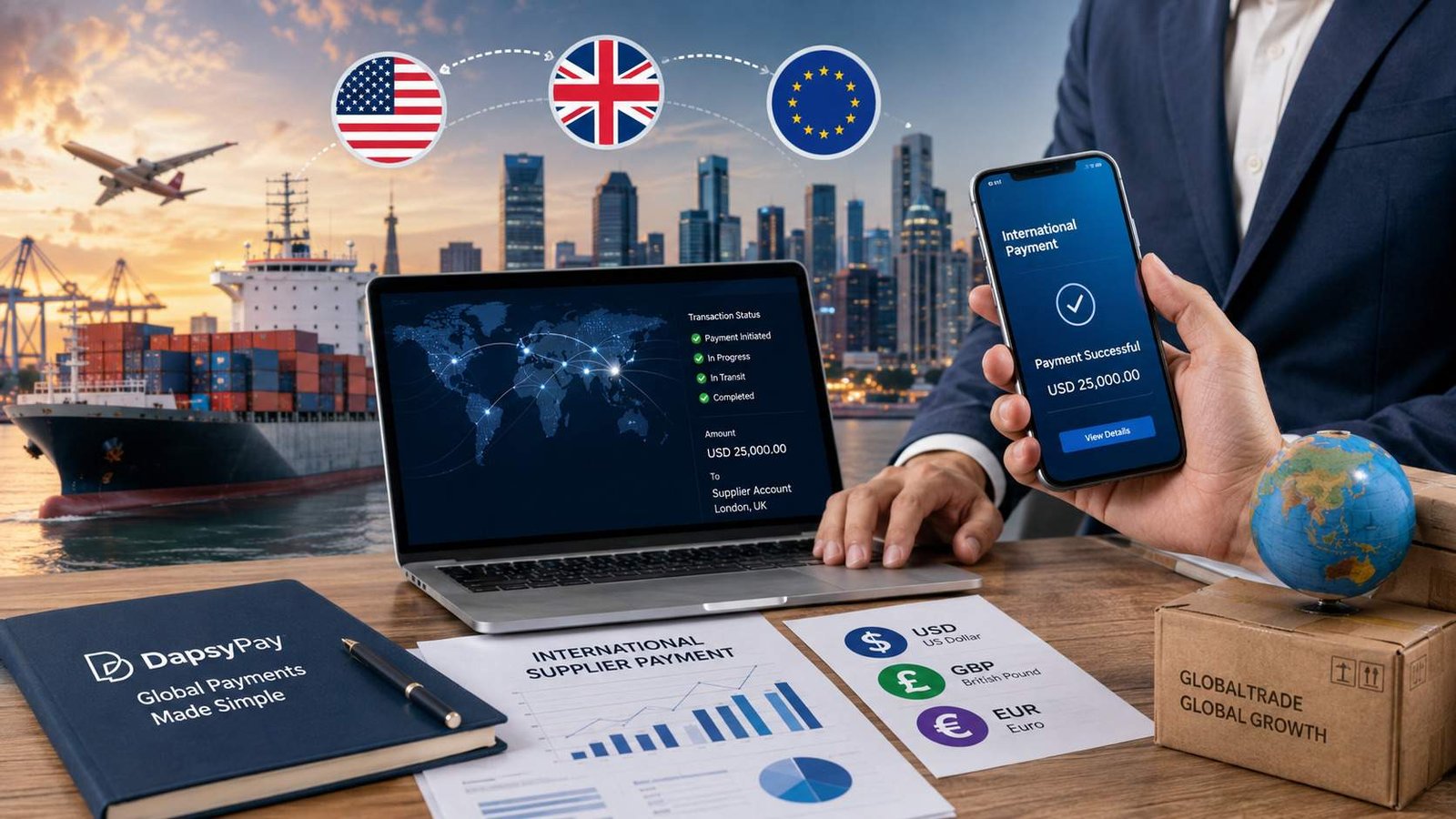
Overcoming FX Hurdles: Paying International Suppliers from Indonesia Efficiently
Indonesia’s economy is experiencing a remarkable digital transformation, driven by an expanding export market, vibrant small and medium-sized enterprises (SMEs), and ambitious entrepreneurs scaling up globally.
Whether you are sourcing raw materials from manufacturers in the United Kingdom, purchasing specialized machinery from the United States, or procuring fashion and technology goods from European hubs, smooth cross-border B2B payments are the absolute backbone of your supply chain success.
However, many Indonesian business owners and finance teams often hit roadblocks when dealing with traditional banking infrastructure.
High wire transfer fees, complex intermediary bank charges, uncompetitive exchange rates, and sluggish transaction settlement times can severely erode profit margins.
To thrive in international trade, modern Indonesian businesses need reliable, transparent, and fast payment solutions like https://www.dapsypay.com/ to streamline global transactions.
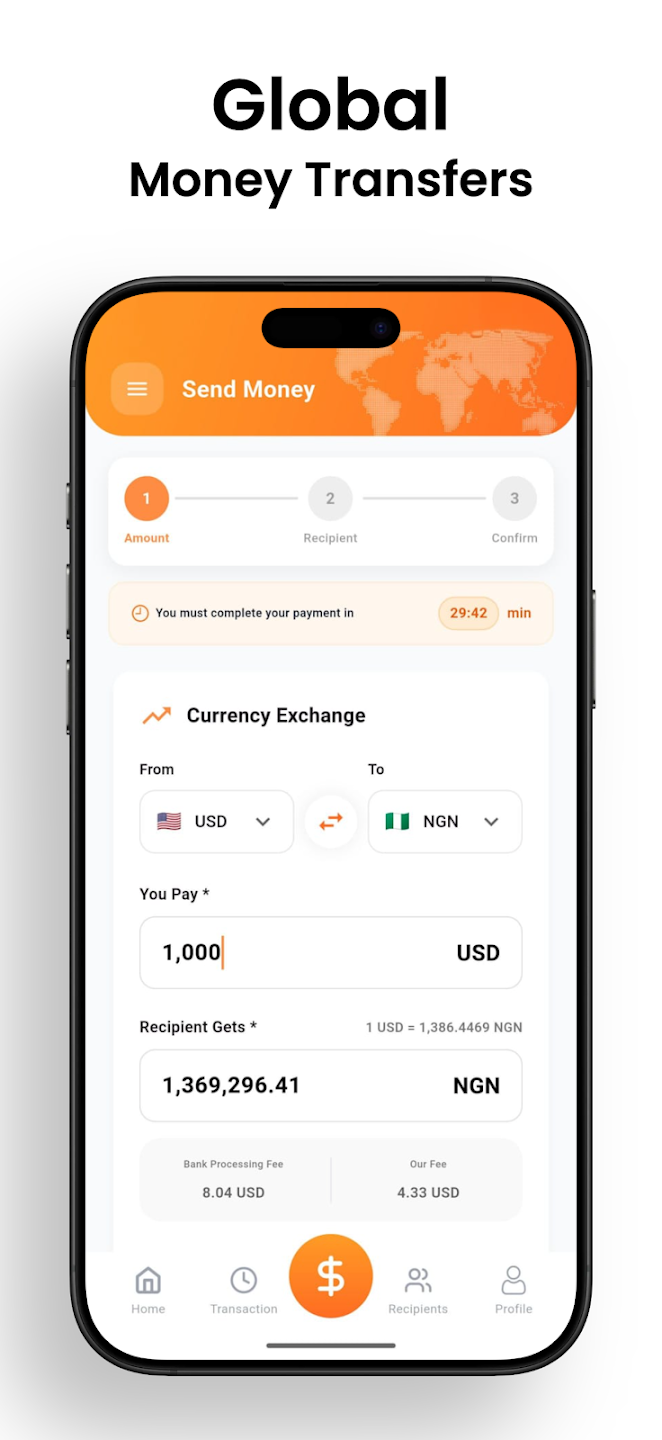
The Evolution of Cross-Border Trade for Indonesian Businesses
Over the past decade, Indonesia has positioned itself as a major economic powerhouse in Southeast Asia. Local businesses are no longer confined to domestic markets; they are actively integrated into global supply chains.
From textile producers in Java partnering with European design houses to tech startups procuring software licenses and hardware from Silicon Valley, international integration requires efficient cash flow management.
Despite this growth, international payment friction remains a persistent challenge. Traditional SWIFT transfers are frequently bogged down by:
-
Multiple Intermediary Banks: Each bank along the routing chain takes a cut, reducing the final amount received by your overseas supplier.
-
Hidden FX Markups: Commercial banks often quote rates that include steep, non-transparent conversion margins on IDR to USD, GBP, or EUR.
-
Extended Settlement Windows: Transactions can take anywhere from 3 to 7 business days to clear, delaying shipment times and causing friction in supplier relationships.
-
Stringent Compliance Hurdles: Traditional paper-heavy documentation requirements can halt urgent payments right when time is of the essence.
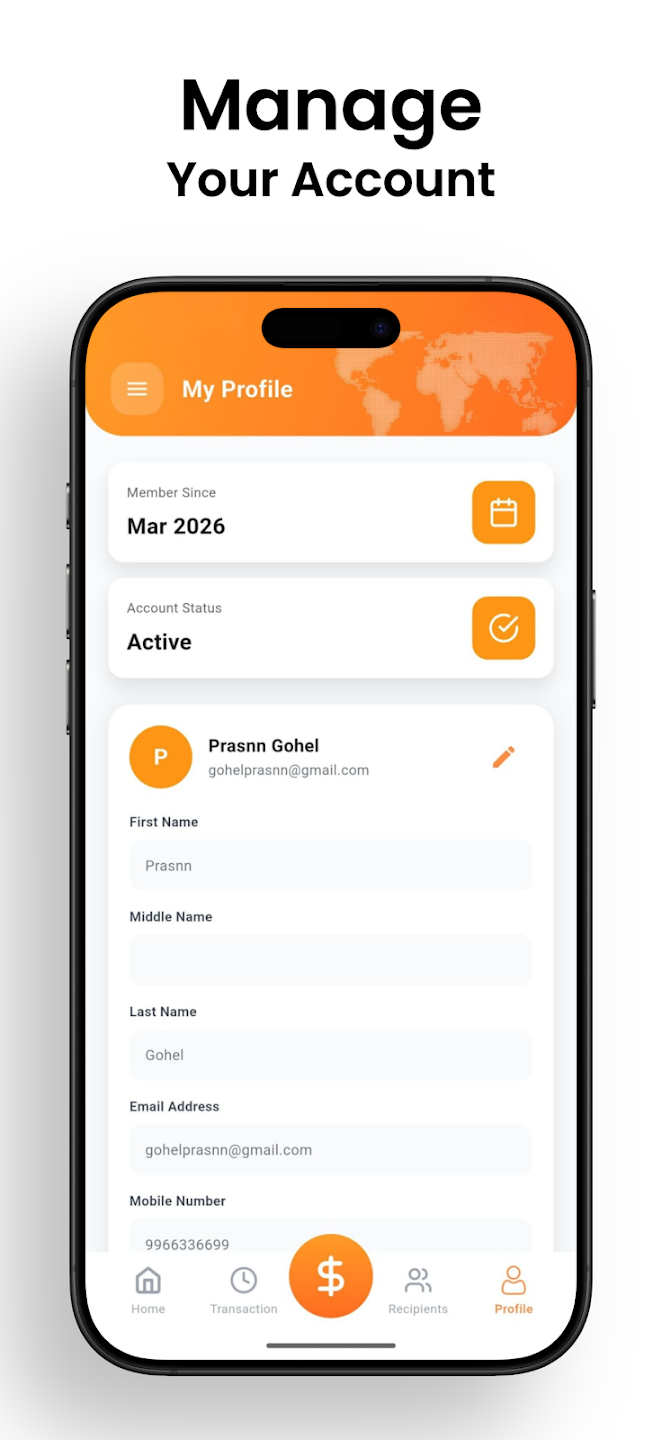
Key Challenges Indonesian Importers Face When Paying Western Suppliers
When Indonesian companies buy goods from the US, UK, and Europe, they encounter distinct financial and logistical hurdles that require strategic planning and modern technological solutions.
1. Currency Volatility and Foreign Exchange Risks
The Indonesian Rupiah (IDR) fluctuates against major global currencies such as the US Dollar (USD), British Pound (GBP), and Euro (EUR).
A sudden depreciation of the Rupiah can drastically increase the cost of imported goods, turning a profitable order into a loss.
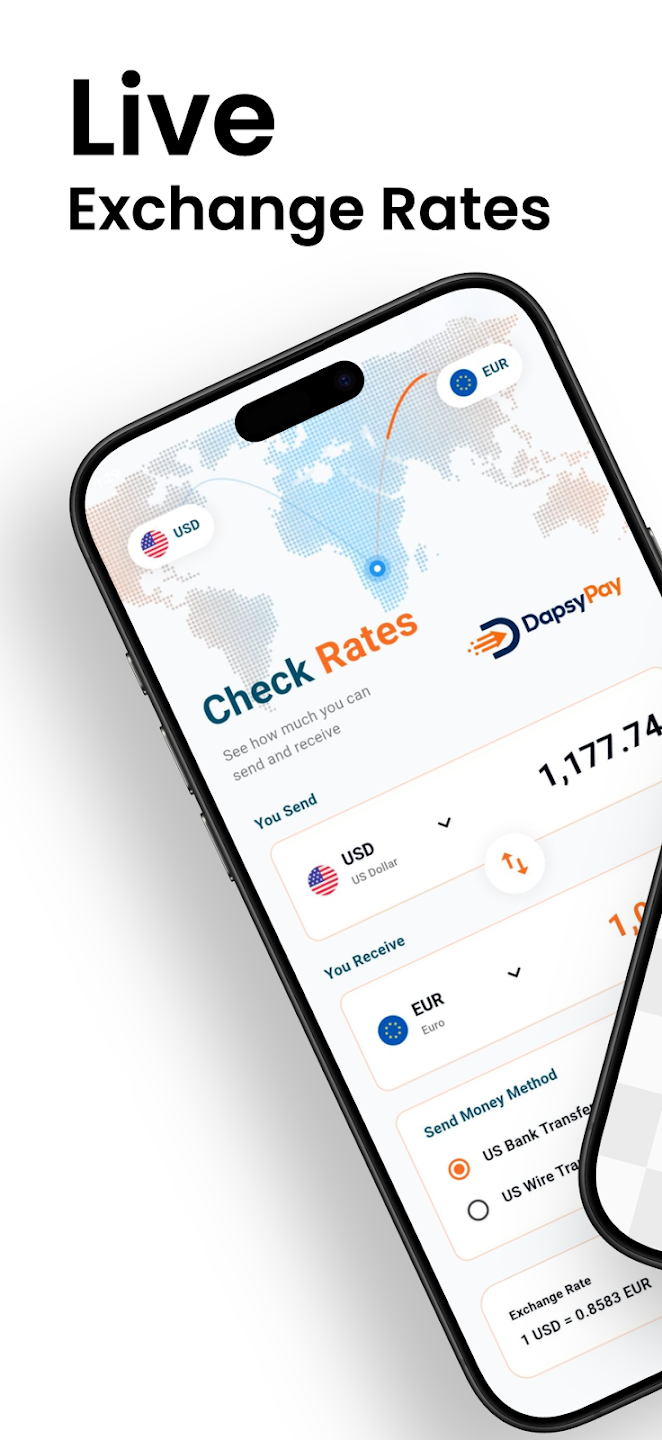
Managing FX exposure requires platforms that offer real-time exchange rates, transparent fee structures, and the ability to lock in competitive rates before executing transfers.
2. High Transacting Costs and Hidden Fees
When sending money via legacy banking channels, businesses are often hit with a combination of flat wire fees, correspondent bank deductions, and poor conversion rates.
For businesses processing dozens of invoices monthly, these cumulative losses add up to significant capital drain that could otherwise be reinvested into business growth.
3. Regulatory Compliance and Documentation
Indonesia maintains specific foreign exchange regulations overseen by Bank Indonesia (BI), requiring proper documentation for capital outflows and trade transactions.
Ensuring compliance while keeping transactions agile is vital for avoiding regulatory delays or penalties.
Strategic Takeaway: Modern fintech platforms bridge the gap between local compliance and global reach, allowing Indonesian enterprises to settle invoices in major currencies securely, transparently, and cost-effectively.
How DapsyPay Empowers Indonesian Enterprises for Global Growth
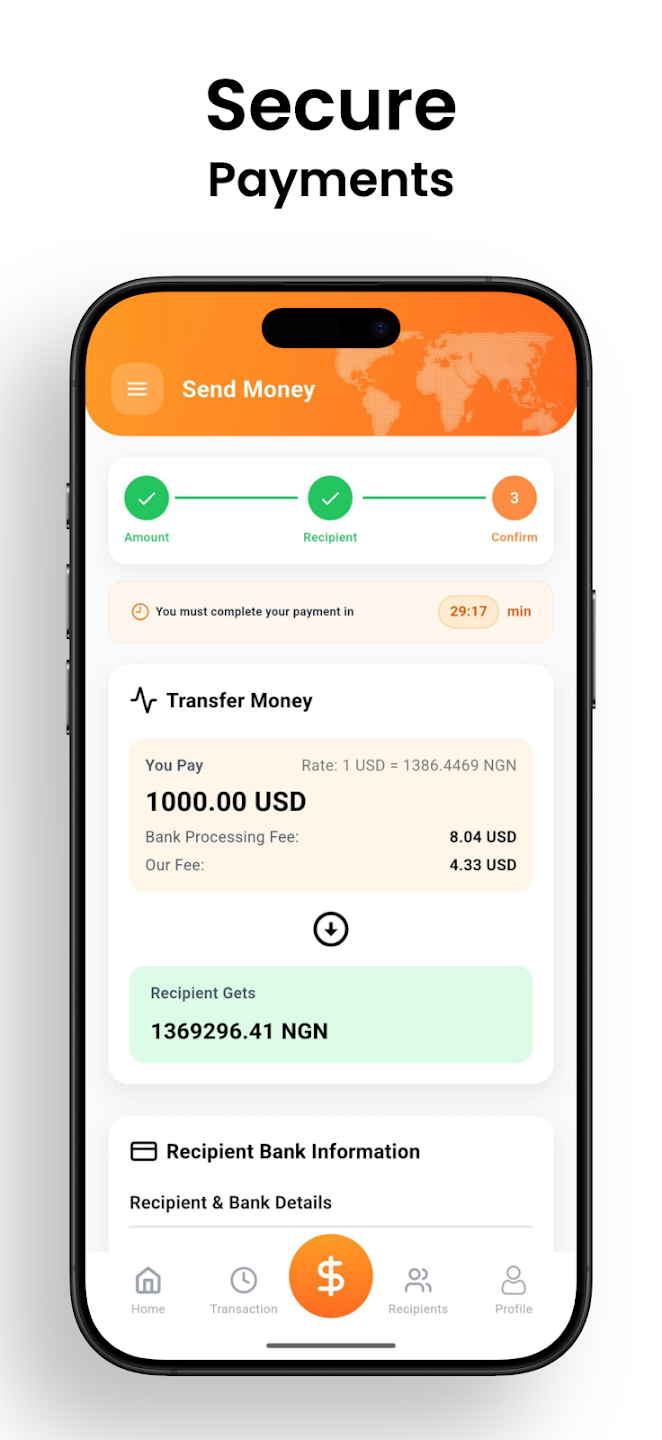
To overcome these traditional barriers, forward-thinking companies are turning to digital-first financial platforms engineered specifically for modern global commerce.
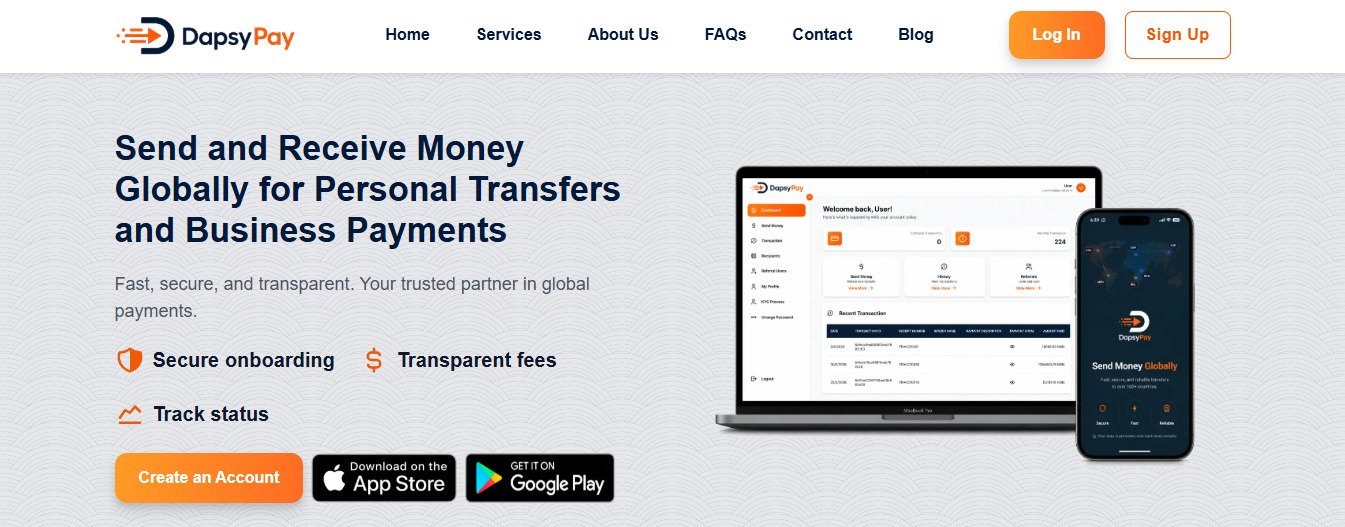
DAPSYPAY offers a robust ecosystem designed to simplify how businesses send and receive money across borders.
Key pillars of a modern cross-border payment solution include:
-
Transparent Fee Structures: Clear upfront pricing with zero hidden intermediary charges, ensuring your European, British, or American suppliers receive the exact invoice amount.
-
Secure Onboarding & Compliance: Streamlined digital verification processes that comply with international security standards and local regulatory requirements.
-
Real-Time Tracking: End-to-end payment visibility allowing financial controllers to track transaction statuses precisely from Jakarta to London, New York, or Frankfurt.
-
Multi-Currency Capabilities: Holding, managing, and converting multiple currencies effortlessly to optimize cash conversion cycles.
Step-by-Step Guide: Paying US, UK, and European Suppliers from Indonesia
Executing smooth cross-border payments does not have to be a bureaucratic nightmare. By adopting a structured digital workflow, Indonesian businesses can optimize their procurement payment cycles:
-
Verify Supplier Details & Invoice Accuracy: Ensure all commercial invoices state the correct banking details, SWIFT/BIC codes, IBAN numbers (for Europe/UK), or routing numbers (for the US), alongside exact invoice references.
-
Choose a Cost-Effective Transfer Partner: Utilize a trusted international payment platform like https://www.dapsypay.com/ to secure competitive exchange rates compared to standard commercial banks.
-
Initiate and Fund the Transfer: Transfer funds securely from your corporate account to the platform, selecting your desired destination currency (USD, GBP, or EUR).
-
Monitor and Confirm Settlement: Use real-time status tracking to monitor the transfer until it successfully lands in your supplier’s account, providing peace of mind and maintaining strong vendor trust.
Best Practices for Optimizing International B2B Transactions
To maximize efficiency and protect your bottom line when dealing with overseas vendors, consider implementing these best practices:
-
Consolidate Invoices: Instead of executing multiple small wire transfers throughout the month—each incurring individual fees—consolidate payments where possible to minimize transaction overhead.
-
Establish Clear Payment Terms: Communicate your payment methods and settlement timelines clearly with your Western suppliers to avoid misunderstandings and late fee penalties.
-
Leverage Digital Audit Trails: Maintain clean, digital records of all cross-border transactions for internal accounting, tax reporting, and Bank Indonesia compliance audits.
Baca Juga -
Monitor Market Trends: Keep an eye on macroeconomic trends affecting IDR against USD, GBP, and EUR to time large inventory purchases strategically.
Conclusion
Expanding your business footprint by sourcing goods and services from the US, UK, and Europe represents a tremendous growth opportunity for Indonesian enterprises.
While traditional banking systems have historically made these transactions costly and complex, the rise of specialized global payment platforms has leveled the playing field.
By leveraging transparent, fast, and secure digital financial solutions such as DAPSYPAY, Indonesian companies can eliminate unnecessary friction, protect profit margins, build enduring relationships with international suppliers, and accelerate their global ambitions.
Artikel terkait lainnya