




Modern Vehicle Security: Navigating Keyless Transponder Challenges and Smart Car Lockout Solutions
 DEMOCRAZY News
30 Mei 2026 12:34 pm
.
9 menit membaca
DEMOCRAZY News
30 Mei 2026 12:34 pm
.
9 menit membaca
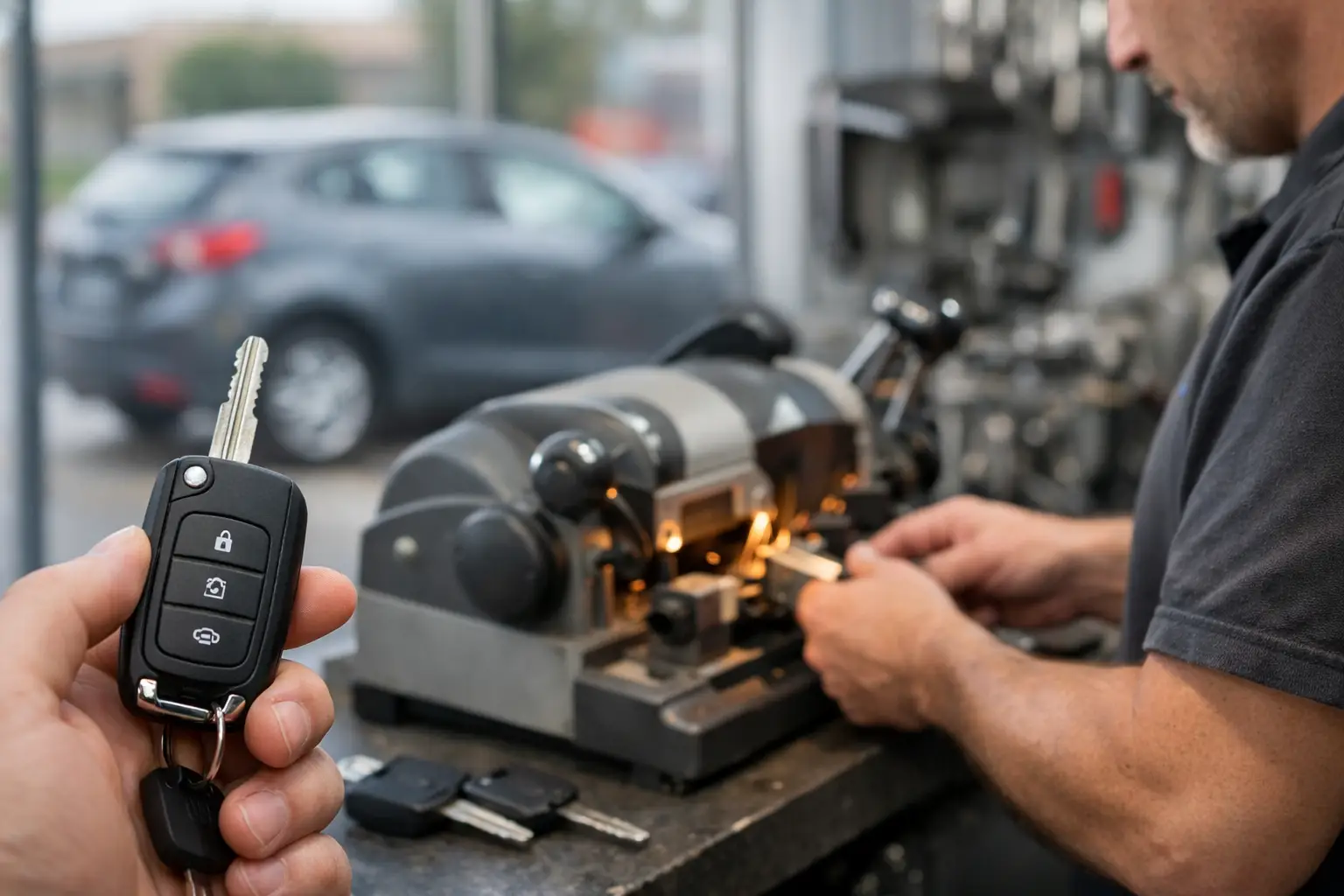
Stuck Outside? Understanding the Tech Behind Modern Car Lockouts and Electronic Keys
The automotive industry has experienced a massive paradigm shift over the last few decades. Gone are the days when a car key was a simple piece of cut metal that relied purely on mechanical locks. Today, vehicles are essentially high-powered computers on wheels, equipped with sophisticated security architecture designed to mitigate theft and prevent unauthorized access.
While these technological advancements have drastically reduced vehicle theft rates on a global scale, they have also introduced a brand-new layer of complexity for car owners. When electronic systems malfunction, or when keys are misplaced, drivers no longer face a minor mechanical inconvenience; instead, they are confronted with a complex digital and electronic challenge that requires highly specialized expertise to resolve.
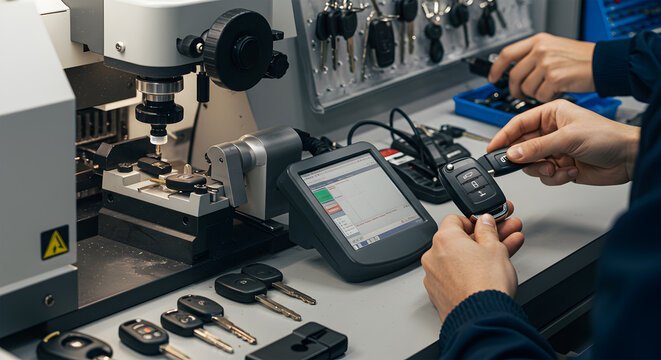
Understanding the Architecture of Modern Vehicle Security
To comprehend why vehicle lockouts have become so complex, it is essential to look at the underlying technology that powers modern anti-theft systems. The transition from purely mechanical ignition cylinders to electronic authentication began in earnest during the late 1990s and has reached its peak with today’s smart fobs and proximity sensors.
The Role of Transponder Chips and Immobilizers
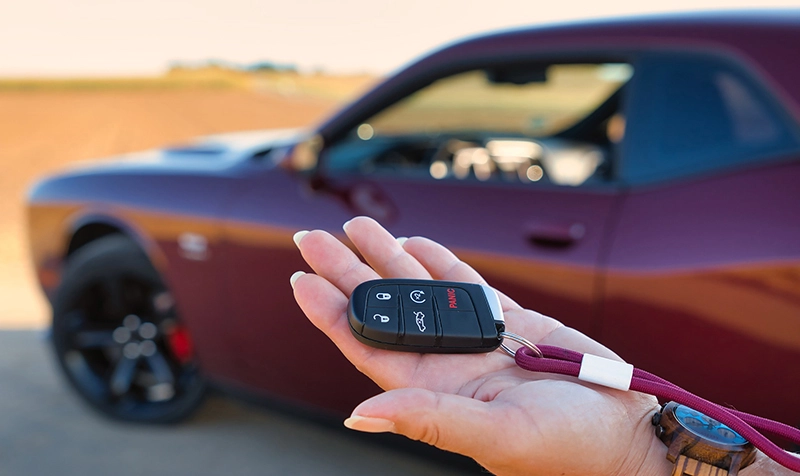
At the heart of contemporary automotive security is the transponder key. Unlike old-fashioned keys, a transponder key contains a tiny passive RFID (Radio Frequency Identification) microchip embedded inside its plastic head. When you insert the key into the ignition or bring a smart fob inside the cabin, the vehicle’s Engine Control Unit (ECU) sends out a brief radio signal.
This signal powers up the microchip just long enough for it to broadcast a unique, encrypted alphanumeric code back to the car’s computer. If the code matches the precise programming stored in the ECU, the engine is allowed to start. If the code is missing, incorrect, or corrupted, the vehicle’s immobilizer system instantly cuts off fuel delivery or disables the starter motor, rendering the vehicle completely useless to potential thieves.
The Shift to Keyless Entry and Proximity Fobs
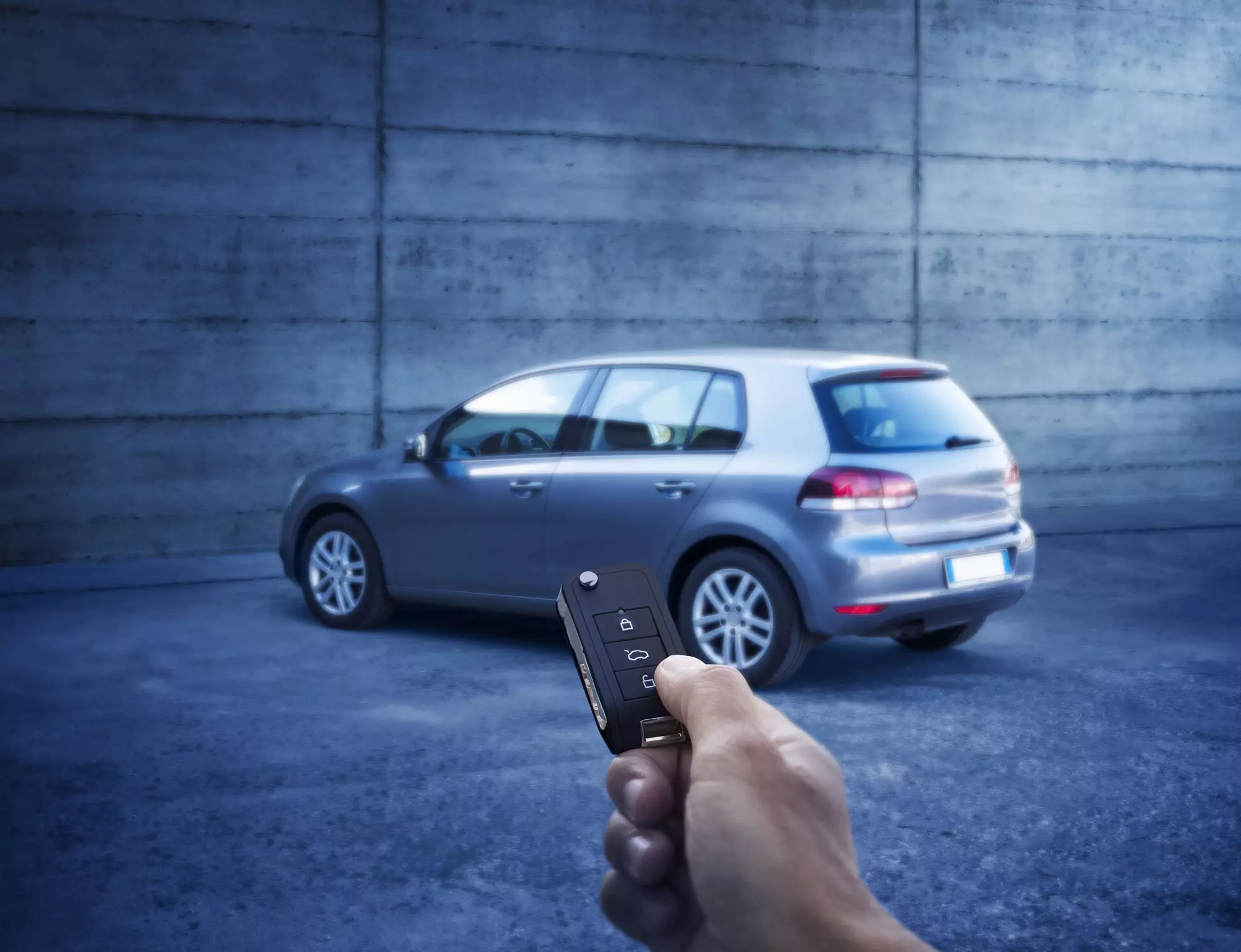
In recent years, manufacturers have pushed convenience even further by eliminating the need to physically turn a key. Proximity fobs allow drivers to unlock doors and start the engine via a push-button ignition system without ever removing the key from their pocket. These smart systems constantly exchange low-frequency rolling codes with multiple antennae hidden throughout the vehicle body.
While this provides a seamless user experience, it creates a total dependency on electronic synchronization. If this synchronization fails due to external interference, module degradation, or software errors, the driver is completely locked out of their own property.
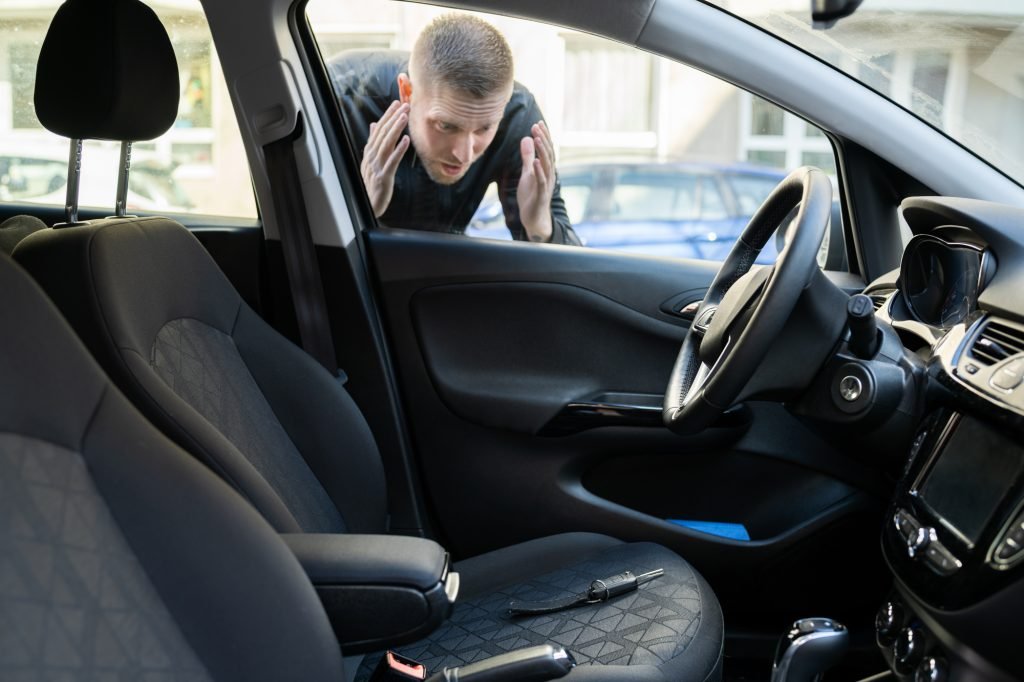
Common Vulnerabilities in High-Tech Key Systems
Despite the brilliant engineering behind electronic car keys, they are far from infallible. In fact, their digital nature introduces specific vulnerabilities that never existed with traditional, purely mechanical security systems.
Hardware Damage and Battery Depletion
The most common point of failure in modern key fobs is physical wear and tear. Because these devices are carried everywhere, they are regularly dropped on hard surfaces, exposed to extreme temperatures, or accidentally submerged in water. Such incidents can easily crack the internal circuit board or corrupt the fragile microchip.
Furthermore, key fobs rely entirely on small lithium coin batteries (such as CR2032 or CR2025). When these batteries drain completely, the fob loses its ability to transmit signals, leaving the owner stranded unless they know how to access and utilize the hidden mechanical emergency key tucked inside the fob frame.
Signal Interference and Programming Corruption
Another growing issue in urban environments is radio frequency (RF) interference. In areas with heavy cellular towers, radar systems, or even localized security alarms, the rolling code signals sent between the fob and the car can be disrupted.
Additionally, severe voltage drops—such as when a car battery dies and is jump-started incorrectly—can cause a sudden electrical surge that wipes or corrupts the programmed key memory within the vehicle’s immobilizer module. When this happens, the car simply forgets the key exists, requiring a total system reprogramming.
The Pitfalls of DIY Methods in Modern Car Lockouts
When faced with an emergency car lockout, many drivers panic and attempt to resolve the issue themselves using outdated methods. However, attempting to force entry into a modern vehicle without professional tools is a recipe for expensive financial disaster.
Damage to Intricate Internal Components
In older vehicles, a basic slim jim or a coat hanger could easily slide past the window weatherstripping to hook and pull the mechanical lock linkage. If you attempt this on a modern vehicle, you are highly likely to cause severe collateral damage.
Modern door panels are packed with delicate components, including side-impact airbag sensors, automatic window motors, heated mirror wiring harnesses, and complex electronic latches. Disturbing these components can easily trigger airbag deployment, shatter window regulators, or sever critical electrical lines, turning a simple lockout into a repair bill worth thousands of dollars.
The Myth of Digital Lockpicking Exploits
With the rise of internet tutorials, some car owners believe they can bypass security systems using cheap tools found online. The reality is that modern automotive cryptography is highly secure. Trying to force an unprogrammed key into the ignition or using unauthorized diagnostic software can put the vehicle into a permanent “lockdown mode.” Once triggered, this security lockout can disable the entire electrical system, forcing the vehicle to be towed directly to a facility capable of resetting the core operating system.

Why Specialized Professional Expertise is Crucial
Because modern vehicles are essentially closed digital ecosystems, resolving a lockout or replacing a lost transponder key requires a combination of advanced diagnostic machinery, precise mechanical cutting tools, and extensive electronic training.
On-Site Advanced Programming Diagnostics
When managing vehicle accessibility issues, having access to an experienced local technician makes all the difference. For vehicle owners navigating these sophisticated security systems, turning to trusted professionals like https://carlocksmithguelph.ca/ ensures that emergency lockouts, transponder reprogramming, and ignition repairs are handled using certified diagnostics without damaging the vehicle’s intricate electronic network.
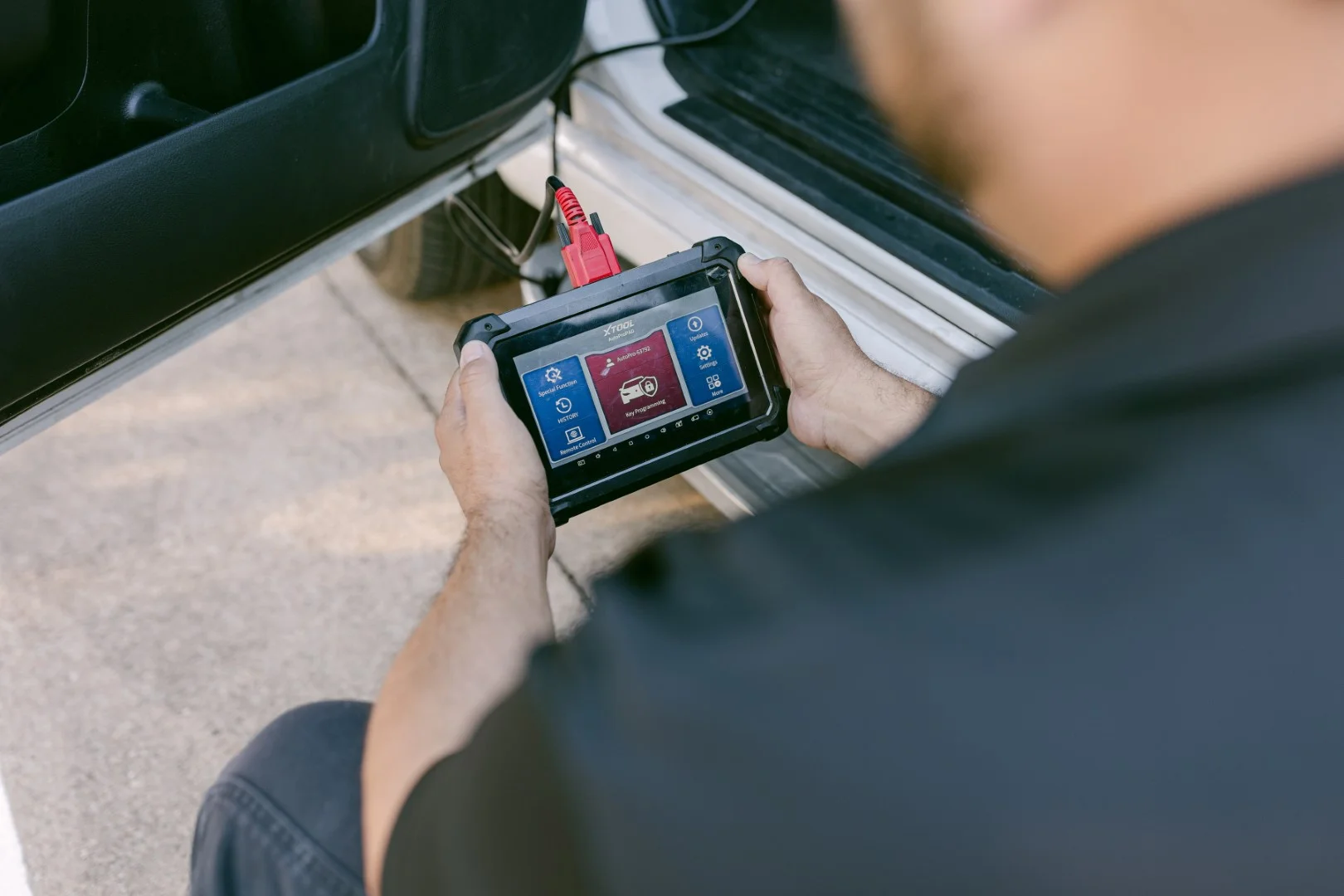
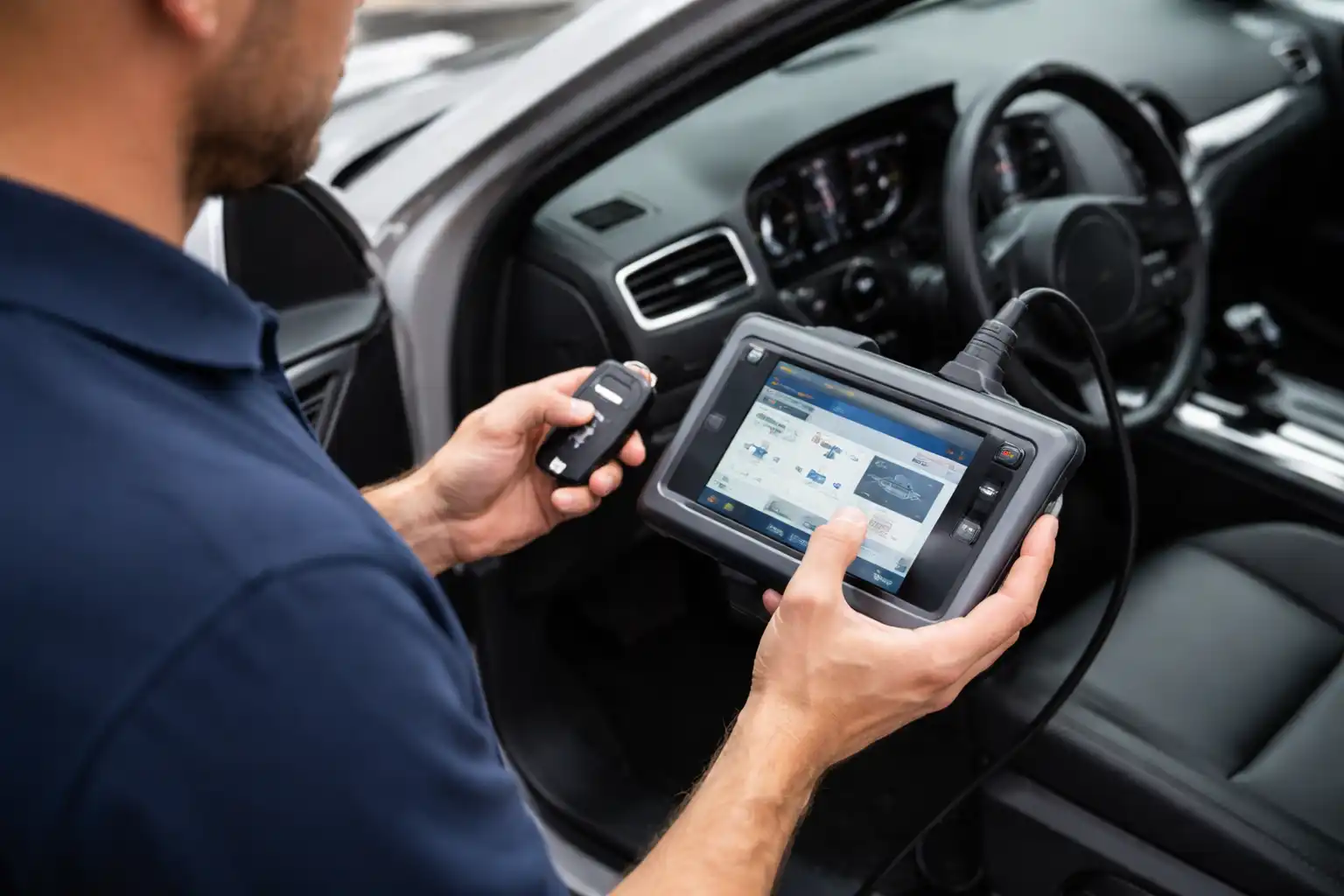
These specialists carry mobile programming computers that plug directly into the vehicle’s OBD-II diagnostic port. This technology allows them to delete lost or stolen key data from the car’s memory and program a brand-new transponder or smart fob right on the side of the road.
These specialists carry mobile programming computers that plug directly into the vehicle’s OBD-II diagnostic port. This technology allows them to delete lost or stolen key data from the car’s memory and program a brand-new transponder or smart fob right on the side of the road.
Precision Mechanical Key Cutting
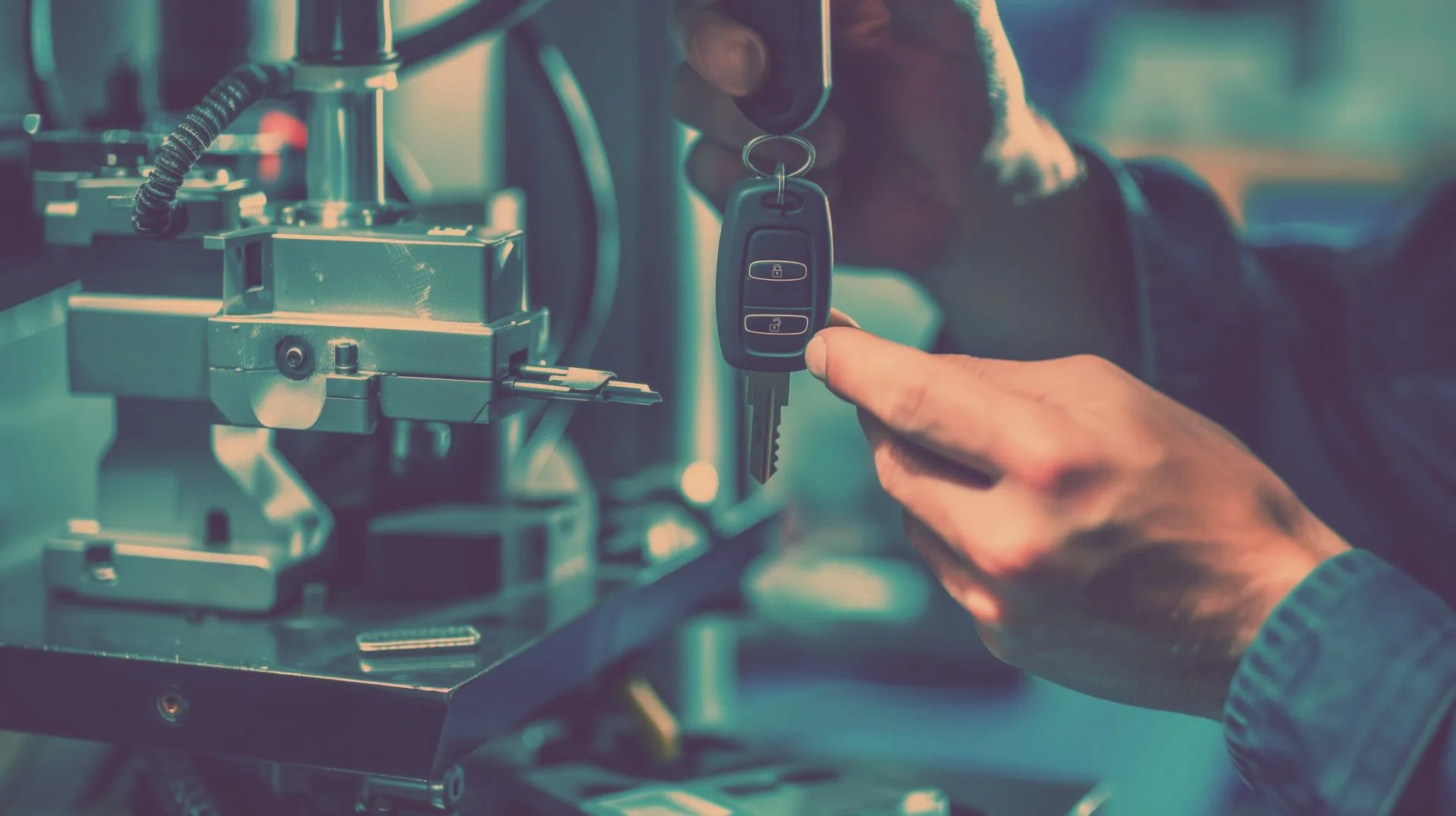
Even in the age of electronics, mechanical keys are still needed to cut emergency blades or repair physical ignition cylinders. Professional automotive locksmiths do not use standard manual duplicators; they utilize computerized code-cutting machines. By inputting the vehicle’s specific key code or scanning the internal wafers of a lock cylinder, these machines can cut a perfect, factory-standard laser-cut high-security key from a blank piece of metal in minutes.
Dealing with Ignition Cylinder Malfunctions
An overlooked aspect of automotive security is the physical ignition cylinder itself. Many vehicles that utilize transponder keys still require the driver to insert and turn the key to activate the electrical system.
Internal Wafer Wear and Debris Accumulation
Over years of continuous use, the tiny brass wafers inside the ignition cylinder gradually wear down from friction. This problem is often accelerated by heavy keychains, which pull down on the key while driving, putting immense mechanical strain on the lock cylinder.
Eventually, the wafers shift out of alignment, causing the key to bind or stick. If a driver tries to force the key to turn in this scenario, the metal blade will often snap in half, leaving a fragment trapped deep inside the ignition assembly.
Safe Extraction and Repair Protocols
Extracting a broken key requires immense precision. Technicians must use specialized extraction hooks to slide past the broken fragment, catch its teeth, and pull it out without damaging the delicate internal springs. Once extracted, the cylinder often needs to be rebuilt or replaced entirely, a task that requires matching the new mechanical cuts to the existing door locks so the driver doesn’t have to carry two separate keys for one vehicle.
Proactive Strategies to Prevent Automotive Lockouts
While professional emergency services are always available, the best way to handle a vehicle security crisis is to prevent it from happening in the first place by practicing good maintenance habits.
-
Duplicate Your Keys Early: Never rely on a single working key. Investing in a duplicate transponder key while you still have a functioning one is significantly cheaper than calling for an emergency replacement after all keys are lost.
-
Replace Fob Batteries Routinely: Do not wait for your key fob to stop working entirely. Most vehicles will display a warning message on the dashboard when the fob battery is low. Replace the battery every two years as a preventative measure.
-
Keep Electrical Systems Healthy: A weak car battery can corrupt the data between your vehicle and your key. Ensure your car battery is tested regularly and replaced when it shows signs of degradation.
-
Store Contact Info in Advance: Save the phone number of a trusted, mobile automotive security specialist in your smartphone contacts before an emergency happens, ensuring peace of mind during road trips.
Conclusion
As vehicle manufacturers continue to innovate with biometric access and smartphone-integrated digital keys, the security of our vehicles will become increasingly tied to digital networks. While this provides unparalleled protection against traditional car theft, it also requires car owners to approach vehicle maintenance with a tech-forward mindset.
By understanding the complexity of transponder architecture, avoiding dangerous DIY entry methods, and utilizing dedicated professional expertise from trusted services like https://carlocksmithguelph.ca/, drivers can ensure they remain safe, secure, and ready to navigate any modern automotive security challenge with absolute peace of mind.
auto diagnosticsauto roadsideautomated securityautomotivecar lockoutcar lockout solutionscar ownershipcar securitycar techdigital car techdriver safetyemergency car locksmithignition repairkey fob programmingkey substitutelost car keyssmart keystransponder keyvehicle locksmithvehicles safety
Artikel terkait lainnya