

Why Kenya Does It Better: The Safari-and-Beach Trip
 DEMOCRAZY News
4 Agustus 2026 3:03 pm
.
6 menit membaca
DEMOCRAZY News
4 Agustus 2026 3:03 pm
.
6 menit membaca
Wild Animals and White Sands: Master the Kenya Safari-and-Beach Trip
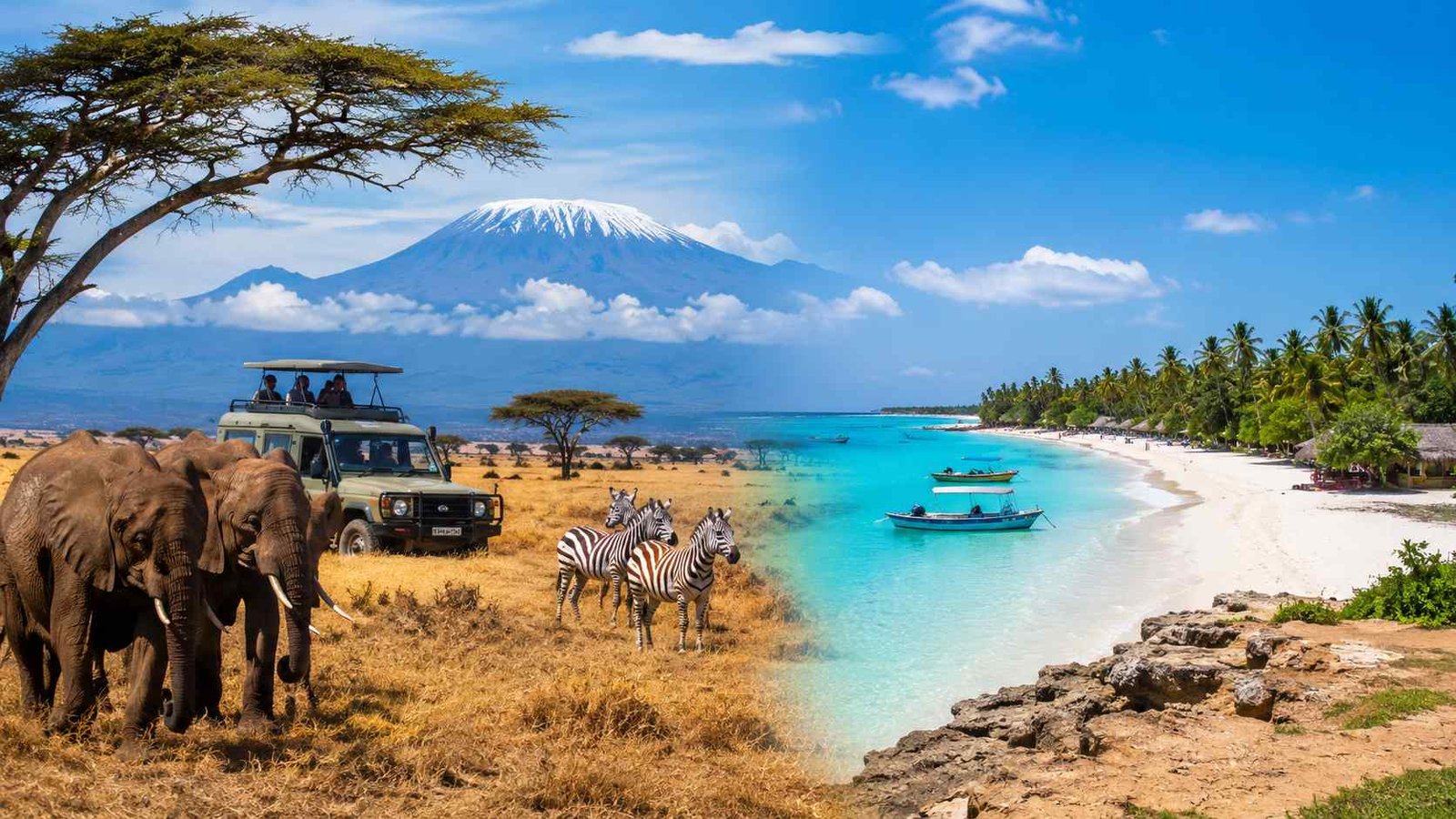
The ideal two-week vacation has a certain cadence: the first week is a whirl of adventure, the second week is pure relaxation. In Kenya, you get both in one country: world-class game viewing and a warm Indian Ocean coast, and it’s more than the sum of its parts.
The reasoning is straightforward. A safari is an exciting and challenging experience. Travellers are happy but tired with early starts, long drives and constant excitement. A beach is relaxing, but can become tedious over two full weeks.
Assemble them in the correct sequence: safari first, beach second, and each complements the other’s weakness. You come to the shore with a memory card full of lions and a body that deserves the hammock. Sequencing the two halves well is what Kenya safari specialists are for.
This is easily done in Kenya due to its geographical location. The parks are located inland, while the coast is along the Indian Ocean, a short flight away. A light aircraft or connecting flight will take travellers to Diani, Watamu or the Mombasa coast in a couple of hours, after days in the Masai Mara, Amboseli or Samburu. No border to cross, no second visa, no complicated logistics. Two very different experiences in one country, one trip.
The coast itself is a match for any tropical destination. Diani Beach is a long stretch of white sand and clear warm water regularly ranked among the best beaches in Africa.
Further north, Watamu is located next to a marine national park, coral reefs, turtles and snorkeling right off the beach. For much of the year the water is bath warm, the reefs create calm swimming lagoons, and the pace is just what a post-safari traveller would want.
For those who wish it, there is more to do on the coast than lie still. Snorkelling and diving on the reefs, dhow sailing at sunset, kite surfing at the right time of year, and fresh seafood grilled by the water.
The beach has a depth that a generic resort strip lacks, thanks to the old towns, spice-scented cooking and centuries of Indian Ocean trade history of the Swahili culture of the coast. The traveller may be as active or as horizontal as the mood requires.
It is worth a moment to select which stretch of coast is appropriate for the trip. The most famous is Diani, south of Mombasa, a long, wide beach of pale sand and calm, reef-protected water, and the most extensive collection of resorts and the liveliest scene.
Further north, near Malindi, Watamu is quieter and greener, nestled next to a marine national park, and more ideal for couples and families seeking snorkelling and turtles over bars and crowds.
Both have short internal flights to the safari parks. It’s a matter of whether the mood following the drives is a bit of life or total quiet.
Coast weather is independent of the rest of the world, so the sequencing requires local input. The wettest period on the coast is around April and May, and again, albeit shorter, towards the end of the year, whereas the drier, brighter months coincide with the classic safari season.
The parks and the coast do not have the same pattern, so if you plan a trip based on the parks, you may find yourself in the rain at the beach if you don’t check both.
This is the kind of information that a team planning these combined trips looks for, and the coast dates to a window that is likely to be dry, not assuming that the safari season extends.
Another issue is how long to allow each half. The rule of thumb is that for a two-week vacation, you’ll spend about two-thirds of the time in safari and one-third on the beach. If it’s too heavy on the beach, the safari is rushed.
If you make it too heavy on the parks side, you won’t get any decompression at the end. Part of what makes the two-in-one trip feel balanced is getting the ratio right.
It takes some care to time the two halves, but this is where planning pays off. The best safari months and the best coast months are largely the same, with the drier months of the year being good for both, although there are rain patterns to consider on the coast.
The sequence and the connections, the safari route, the flight to the coast, the transfer to the resort, is exactly the kind of coordination that goes smoothly with local help and badly without it.
The safari specialists who arrange these combined trips take care of the internal flights and transfers to ensure that the two halves dovetail nicely, and they are also aware of which dates on the coast are best suited to which safari season.
There is a strong practical argument for booking both legs together. With one operator controlling the entire trip, there’s one point of contact, one timing and no gap between the plains and the sand.
It also typically is less expensive than booking the safari and beach separately, as the internal flights and transfers are booked as one trip instead of piecing together at the last minute.
A note on pacing the beach days. Don’t overload the coast after a safari. The point of the second act is rest. It’s the few days of doing very little, a snorkel here, a sunset dhow there, and long hours in the shade that make a good holiday a great one. The safari gives the stories. The beach provides the recuperation, and the time to allow the entire trip to sink in.
There are few countries that allow a traveller to see a river crossing on Monday and a coral reef by the weekend, without crossing any borders.
Kenya does, and it does it well. Adventure first, ocean second, one country throughout. It is near perfect for a long holiday and a big reason why many visitors who come for the wildlife are already planning their next trip.
african wildlifebeach vacationcoastal holidaydiani beacheast africa travelholiday itineraryholiday pacingindian oceankenya safariluxury travelmarine parkmasai maranature explorationsafari and beachtravel planningTropical GetawayVacation Inspirationwatamu coastwildlife adventurewildlife safari
Artikel terkait lainnya