


Choosing a Turbomolecular Pump Manufacturer: 5 Questions OEM Buyers Should Ask
 DEMOCRAZY News
4 Agustus 2026 4:28 pm
.
3 menit membaca
DEMOCRAZY News
4 Agustus 2026 4:28 pm
.
3 menit membaca
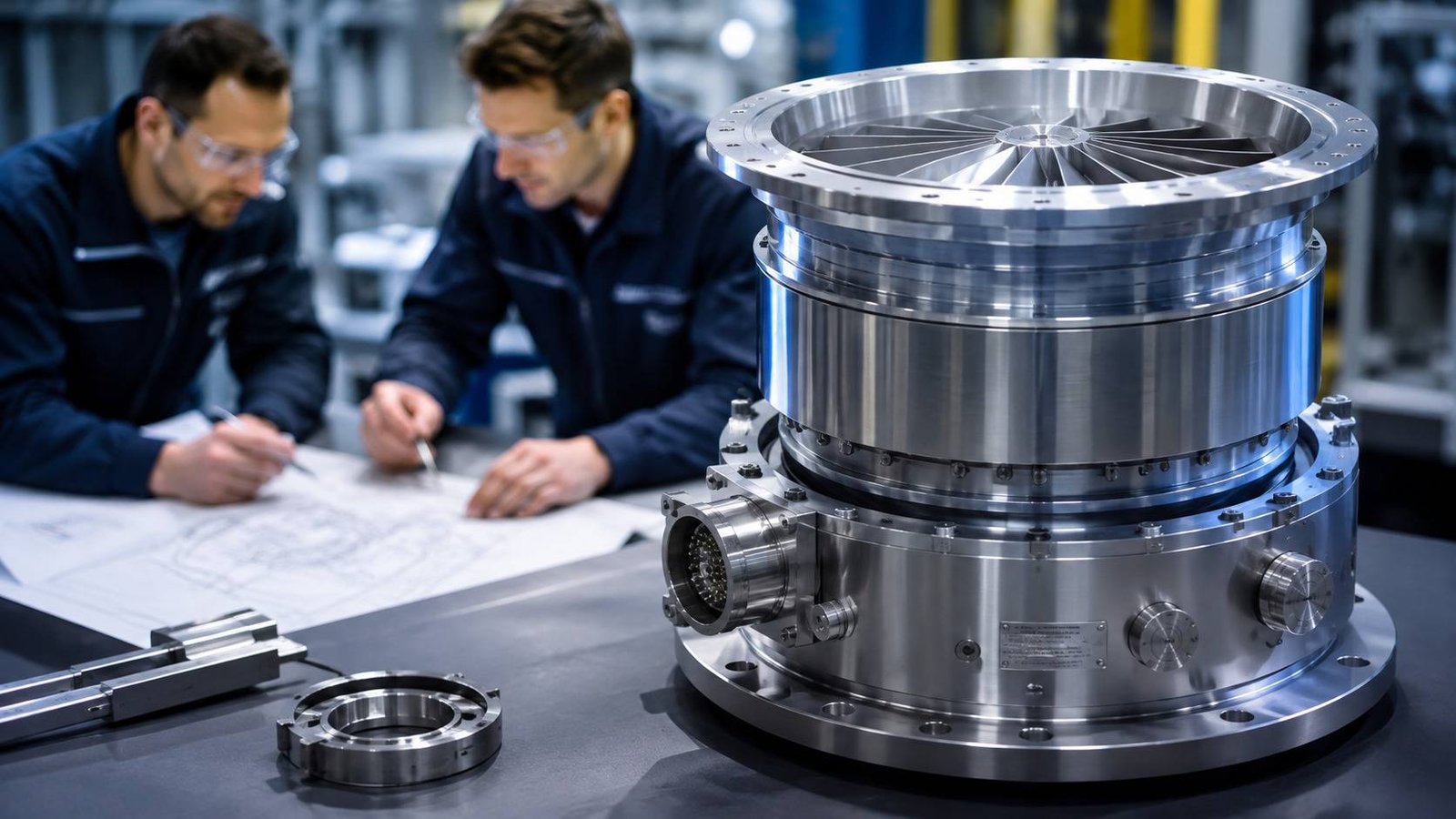
A turbomolecular pump may look like a component purchase, but for an OEM it is really a system decision. The wrong pump can create longer pump-down times, unwanted vibration, installation changes or maintenance problems long after the initial quotation has been approved.
This is why experienced buyers compare more than maximum pumping speed. Before selecting a turbomolecular pump manufacturer, they should ask five practical questions about the real operating conditions.
1. What Must the Pump Handle in the Actual Process?
A high headline pumping speed is useful, but it does not describe the complete process. Engineers should also consider the target pressure, chamber volume, gas composition, expected gas load and required pump-down time.
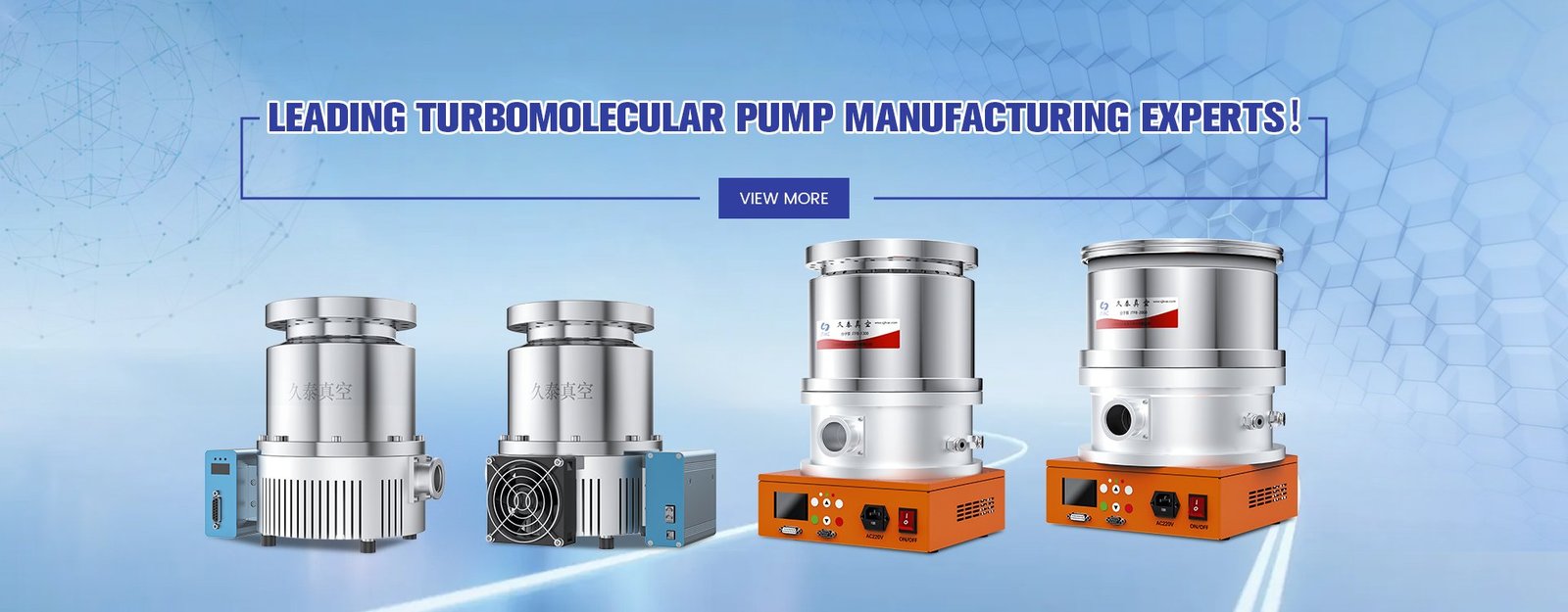
The JTVAC turbomolecular pump range covers models from 80 to 4,500 L/s, including grease-lubricated, oil-lubricated and magnetic-levitation designs. The correct choice depends on the application rather than simply selecting the largest model.
2. How Important Are Cleanliness and Vibration?
Semiconductor tools, vacuum coating systems and analytical instruments can be sensitive to contamination and vibration. A magnetic-levitation pump avoids mechanical bearing contact, helping reduce wear, lubricant-related contamination and vibration. It can be attractive for clean or precision processes.
Grease-lubricated pumps offer a different balance of cost, installation flexibility and dependable high-vacuum performance. The buyer should define the acceptable contamination and vibration level before choosing the bearing design.
3. Can the Pump Be Installed in the Required Orientation?
Installation orientation is easy to overlook during early sourcing. Some integrated grease-lubricated JTFB models support installation at different angles, while certain oil-lubricated shock-resistant pumps require vertical installation because of their lubrication structure.
Before confirming a model, send the supplier the available mounting space, flange direction, cooling arrangement and service-clearance drawing. This can prevent an expensive equipment redesign later.
4. What Else Is Required to Build a Working Vacuum System?
A turbomolecular pump cannot operate as an isolated device. The backing pump, controller, power supply, vacuum gauges, valves and cooling method all affect system performance.
OEM buyers should therefore ask for a complete configuration recommendation rather than only a pump quotation. Communication interfaces, voltage, flange size and control logic should be confirmed during technical review, especially when replacing an existing European or Japanese pump.
5. Can the Supplier Support Testing Before Volume Purchasing?
Datasheets are useful, but an OEM needs evidence that the pump works on its own equipment. Trial testing can reveal issues involving pump-down time, vibration, temperature, control compatibility and mounting conditions.
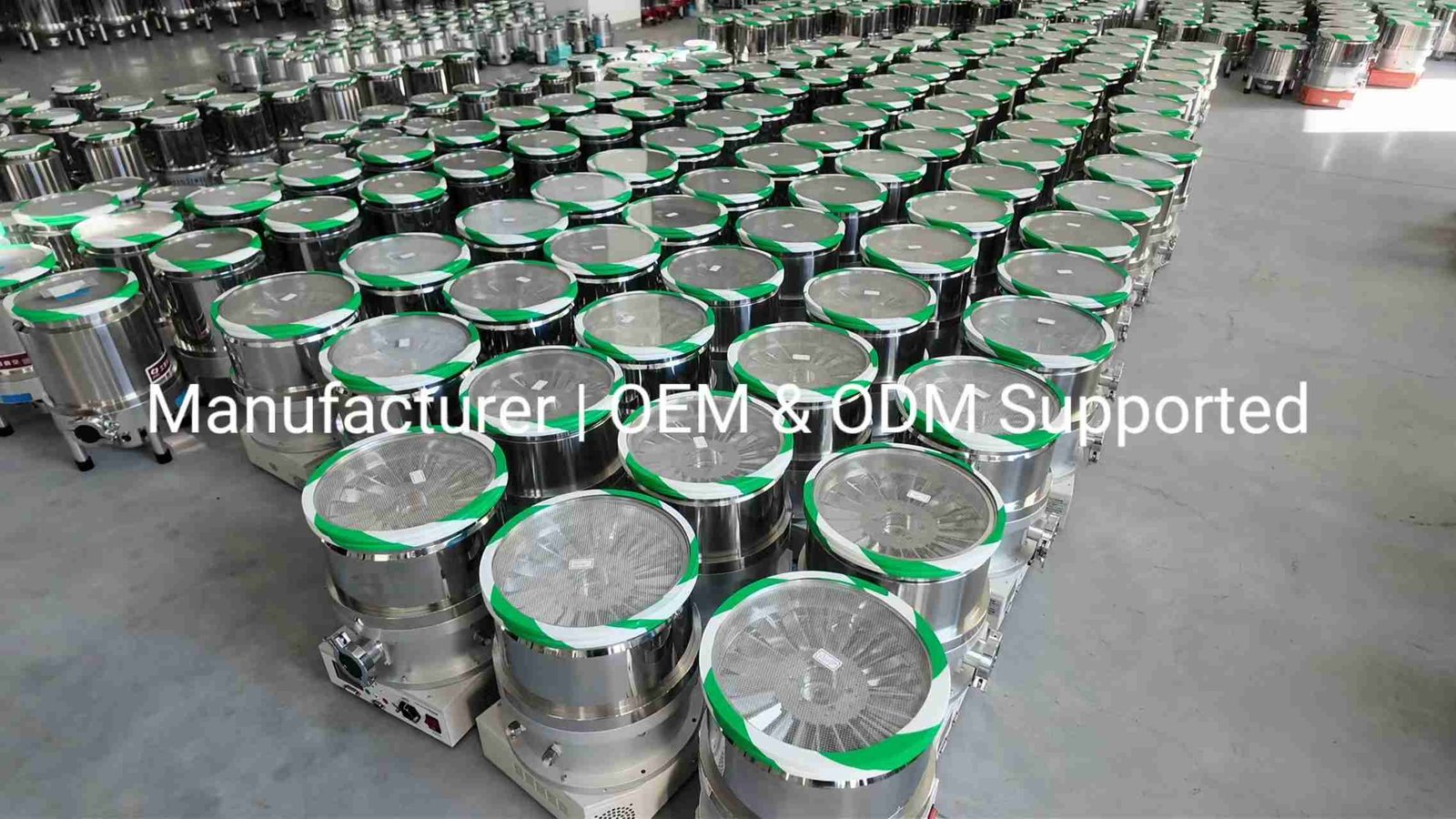
JTVAC offers trial samples for OEM evaluation, together with configurable flange sizes, cooling modes and power protocols. Pumps are also subjected to dynamic balancing and performance testing before shipment. Buyers should still document their acceptance criteria so test results can be compared objectively.
The Best Supplier Helps Reduce Integration Risk
The most suitable vacuum pump supplier is not necessarily the company offering the largest pumping-speed number or the lowest initial price. A stronger supplier helps the buyer match the pump to the gas load, cleanliness requirement, installation position and control system.
JTVAC manufactures turbomolecular pumps and molecular pump units for semiconductor, coating, scientific-research and industrial vacuum applications. Starting the discussion with operating data and equipment drawings gives both sides a better chance of selecting a pump that performs correctly after installation.
high vacuum pump manufacturer chinaindustrial turbomolecular pump supplierturbomolecular pump manufacturer for oem equipment
Artikel terkait lainnya