


How to Budget for Importing Used Cars from China
 DEMOCRAZY News
17 Juni 2026 3:29 pm
.
4 menit membaca
DEMOCRAZY News
17 Juni 2026 3:29 pm
.
4 menit membaca
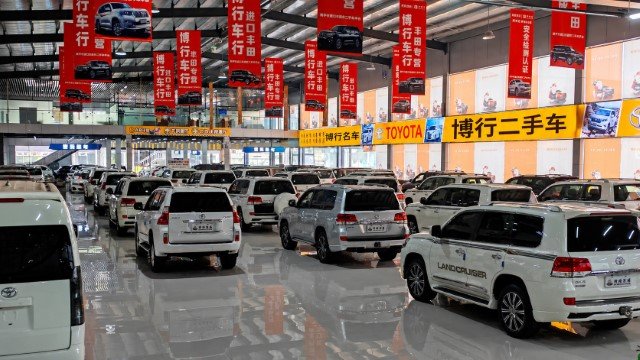
Essential Steps to Budget for Importing Used Cars from China
Importing a car is not only about finding a low purchase price. A strong budget should include vehicle cost, inspection, inland transport, export handling, shipping, customs, local registration, and a reserve for unexpected expenses.
The allure of the Chinese automotive market has grown significantly in recent years, drawing savvy international buyers who seek modern features, advanced technology, and competitive pricing.
Whether you are looking for a state-of-the-art electric vehicle or a reliable gasoline-powered sedan, the process of acquiring a vehicle directly from its source requires more than just a quick online transaction. It demands a sophisticated approach to financial planning that accounts for the nuances of international trade.

Many first-time importers mistakenly believe that the transaction ends once the payment for the vehicle is confirmed. In reality, the purchase price is only one component of a larger financial picture.
Without a detailed roadmap of the logistical, administrative, and regulatory costs involved, even a “bargain” vehicle can quickly become a significant financial burden.
Successful importing requires a deep understanding of the entire supply chain, from the moment the car leaves the dealership in China until it is registered and ready for the road in your home country.
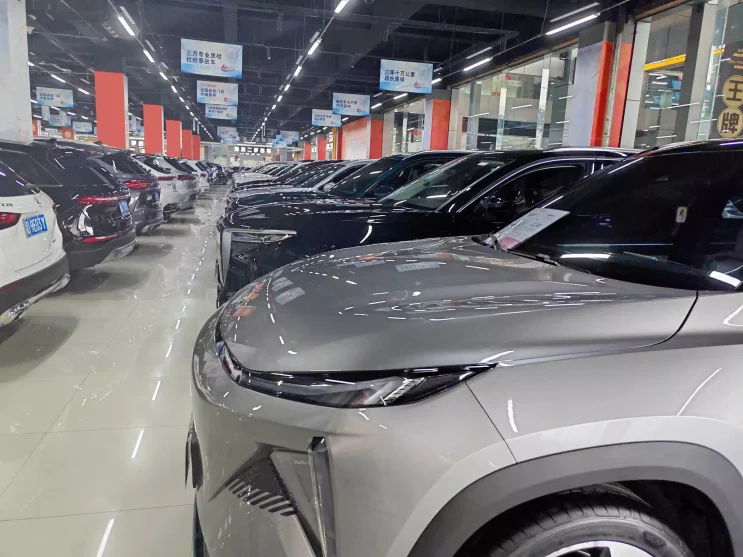
Developing a robust budget is the most critical step in mitigating risk and ensuring that your investment yields a high return in terms of utility and value.
By anticipating these hidden costs early in the process, you protect yourself against the volatility of shipping rates, unexpected port fees, and regulatory hurdles that often catch unprepared buyers off guard.
With a clear financial plan, you can confidently navigate the complexities of cross-border commerce and make an informed decision that aligns with your long-term goals.
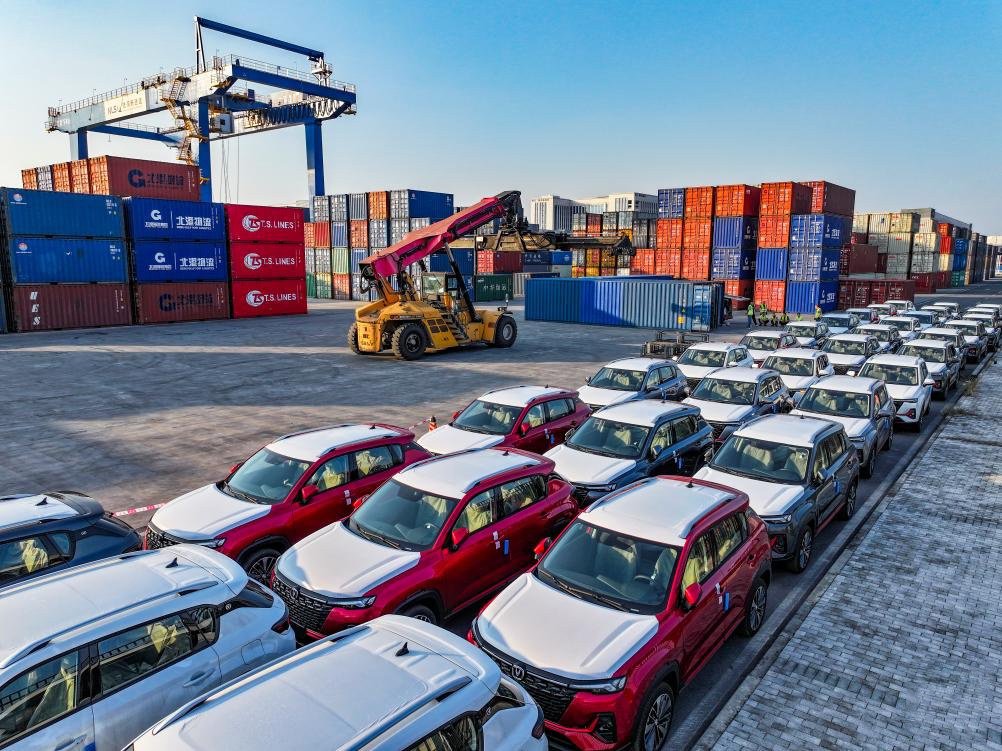
Understanding the Total Landed Cost
Buyers researching China used cars should compare models by total landed cost, not only by the price shown in a listing. The sticker price on an online portal is merely the starting point.
When calculating your total investment, you must factor in comprehensive costs including pre-shipment inspections to ensure the vehicle condition matches the description, as well as inland transport fees for moving the vehicle to the port of origin.
You must also account for export handling which covers documentation and licenses, international shipping rates that fluctuate based on global logistics, and significant customs duties or import taxes specific to your home country.
Finally, include costs for local compliance, such as modifications to meet road safety standards, and always maintain a contingency reserve of 10 to 15 percent to cover currency fluctuations, port storage fees, or unforeseen emergency repairs.
Choosing the Right Vehicle Model
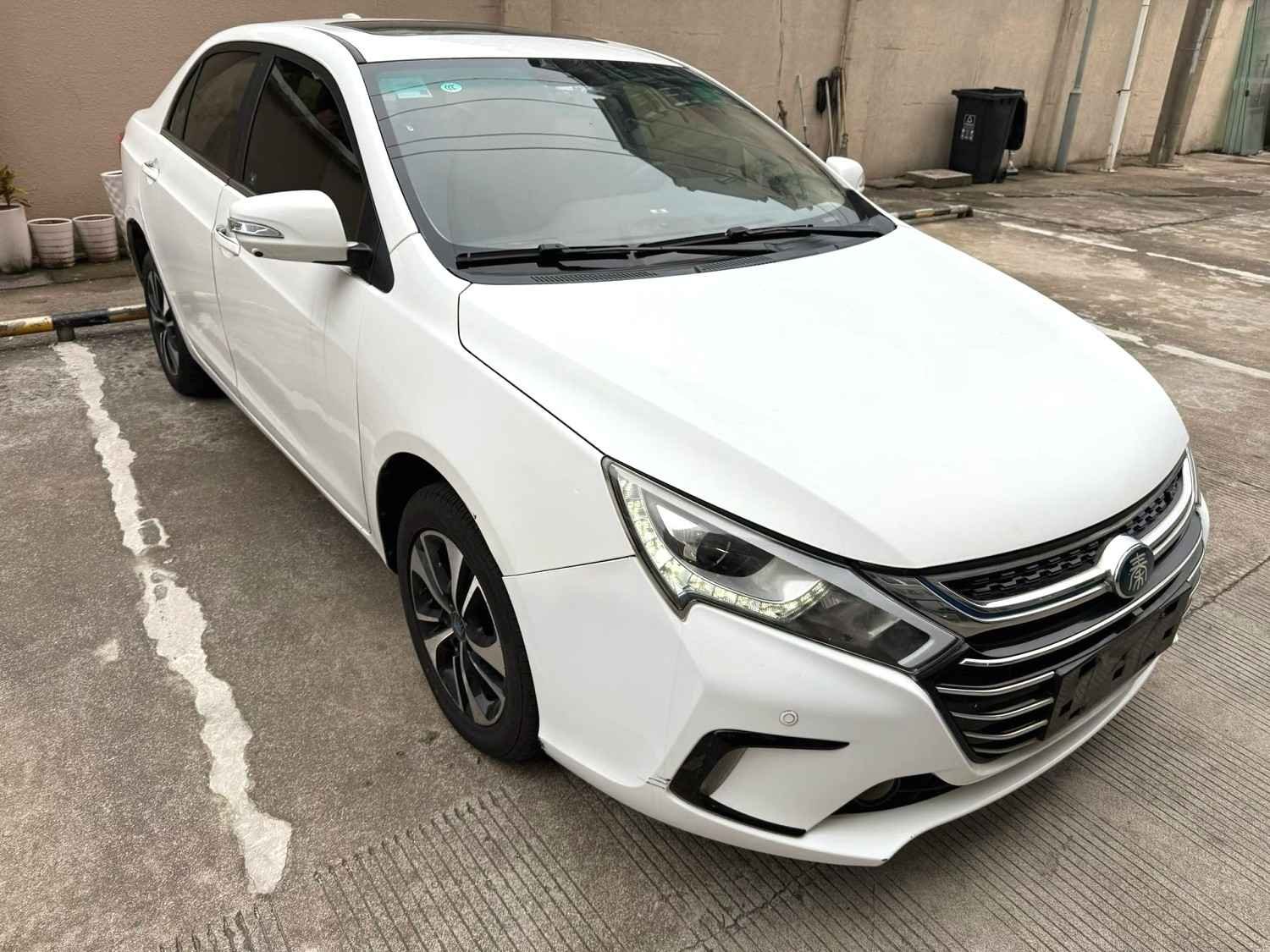
Compact sedans can offer a practical balance of price and usability. For buyers interested in efficient sedans, BYD Qin Plus is a useful example of the type of model many importers compare for fuel economy and equipment. Its modern technology suite and efficient power systems provide significant value for the price.
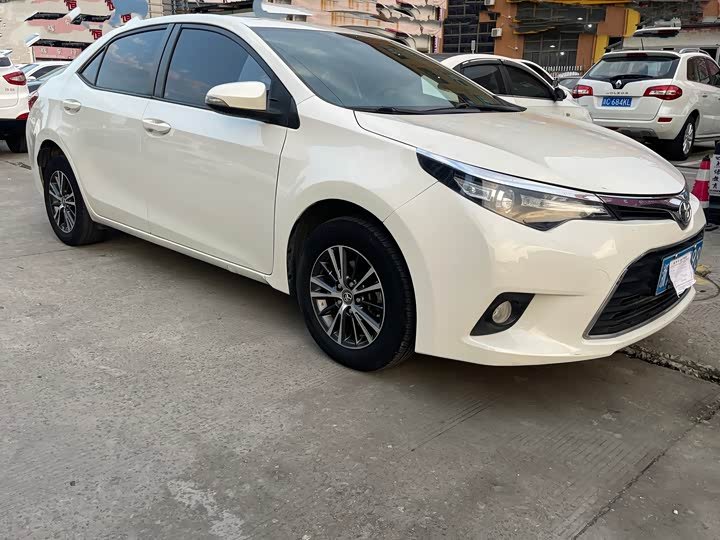
However, preference for specific brands still plays a major role in long-term ownership. Traditional sedans such as used Toyota Corolla remain popular where service simplicity and resale value are important.
Well-known sedans are often easier to resell in many markets because spare parts are widely available and mechanics are familiar with their maintenance, which ultimately lowers the total cost of ownership after the vehicle has been imported.
The Value of Time and Communication
A good budget also includes time. Buyers should allow time for inspection, document preparation, vessel schedules, and customs clearance.
Impatience is often a hidden factor that inflates your budget. Rushing the customs clearance process due to incomplete paperwork can lead to daily demurrage charges at the port that can quickly accumulate. Clear communication with the supplier helps reduce financial surprises.
Before committing to a purchase, ensure your supplier has a proven track record in handling international exports and that they can provide all necessary certifications and clean export documents well before the vessel departs.
By taking a holistic view of the import process, you transform a potentially stressful logistical challenge into a strategic investment.

automotive businessautomotive logisticsbuying cars onlinebyd qin pluscar import budgetcar import tipscar investment strategychinese automotivecustoms clearanceglobal automotiveimport cost managementimporting carsinternational car shippinginternational logisticslanded cost calculationused car buying tipsused cars from chinaused toyota corollavehicle importvehicle import guide
Artikel terkait lainnya