



Global Sourcing of Oilfield Equipment: What Buyers Should Check Before Signing a Contract
 DEMOCRAZY News
17 Juni 2026 5:28 pm
.
4 menit membaca
DEMOCRAZY News
17 Juni 2026 5:28 pm
.
4 menit membaca
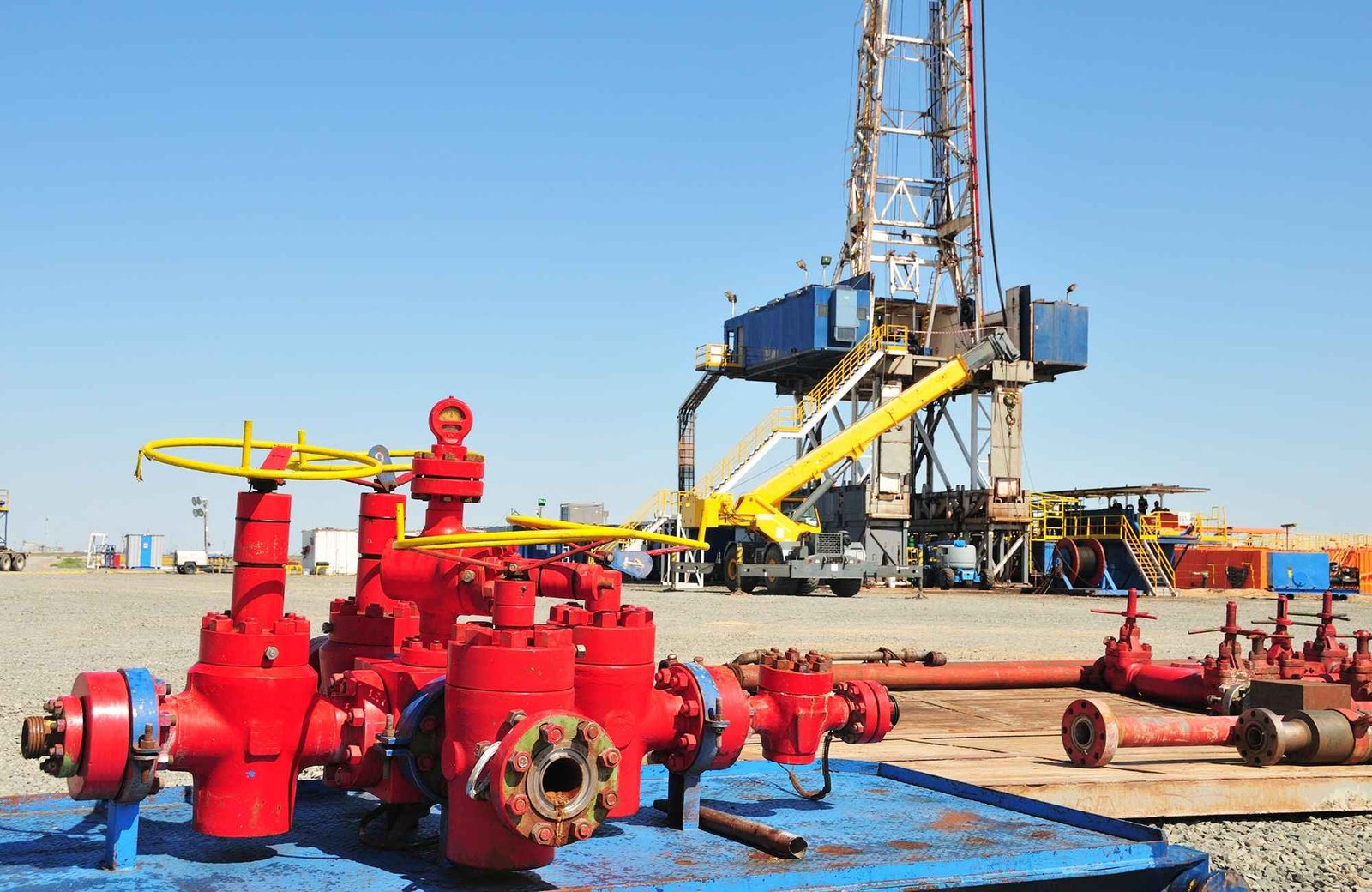
Buying oilfield equipment is rarely a simple catalog decision. A truck or skid may look acceptable in a quotation, yet the real value appears only when the unit is started on a remote site, connected to the well, operated by a field crew and maintained through repeated service cycles.
For this reason, global buyers should evaluate not only the purchase price, but also engineering logic, component selection, documentation, export support and the supplier’s ability to understand actual field conditions.
https://vancepetro.com/ manufactures and exports specialized oilfield equipment from China, including flushing units, cementing trucks, well test trucks, nitrogen generation systems, mobile boiler units, fracturing-related equipment, pumps and other service solutions.
For international buyers, the advantage of working with an experienced manufacturer is not only access to equipment, but also the ability to discuss duty cycles, chassis configuration, power systems and project-specific details before production begins.
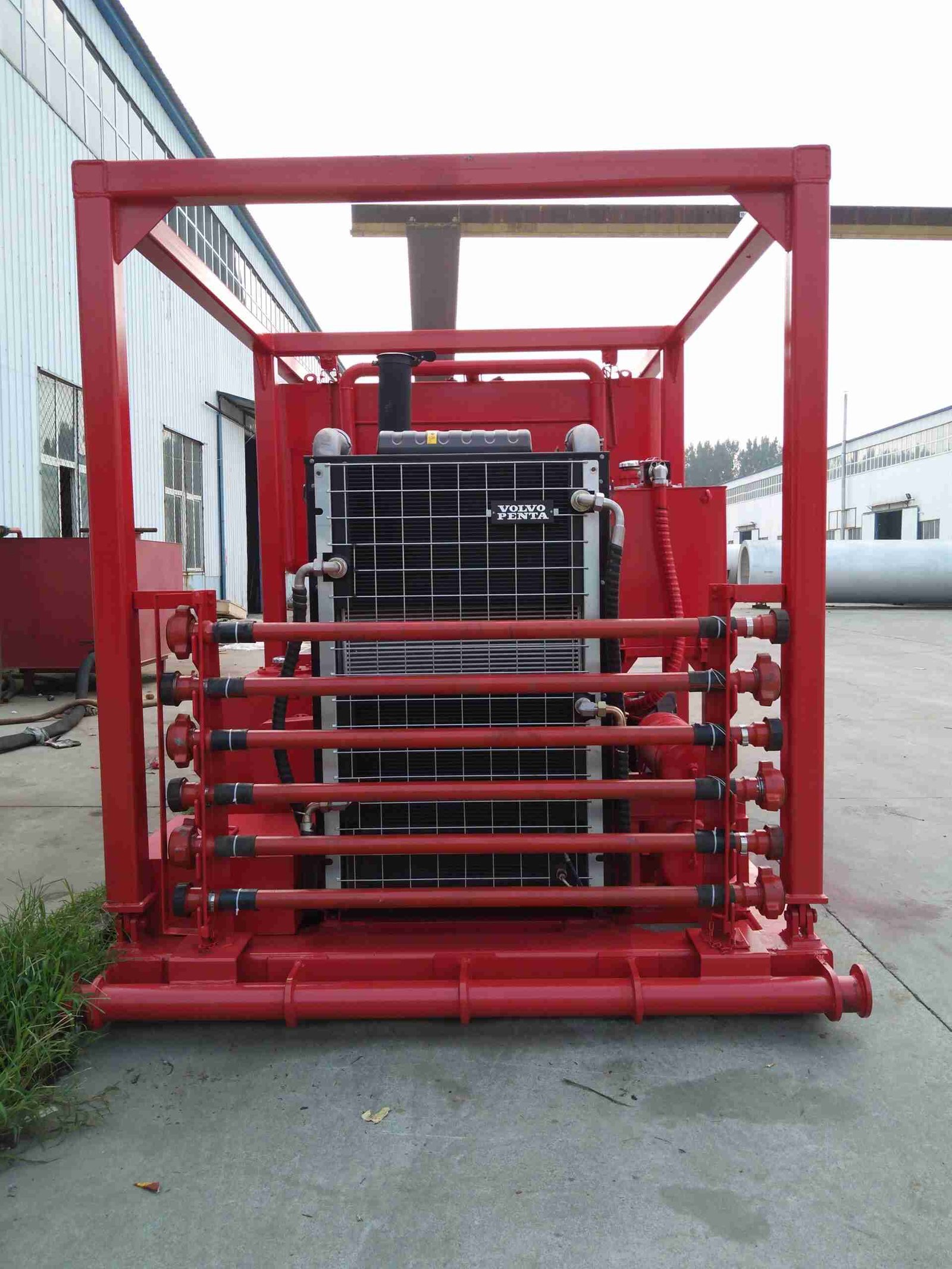
Start with the operation, not the product name
A practical sourcing process begins with the operation that the equipment must perform. A well flushing unit is not the same as a cementing truck, and a nitrogen generation truck has different design priorities from a vehicle-mounted boiler.
Buyers should define flow rate, pressure, heating demand, working temperature, fluid characteristics, expected service frequency, climate and transport limitations. These details help the supplier choose a layout that is suitable for the field rather than merely attractive on paper.
When discussing supplier qualification, buyers should ask how the main components are matched. Pumps, tanks, burners, heat exchangers, hydraulic systems, control panels and safety devices must work as one system.
A weak link in that chain can reduce productivity or create unnecessary downtime. The best quotations explain why a component is selected and how it supports the intended operation.
Baca Juga
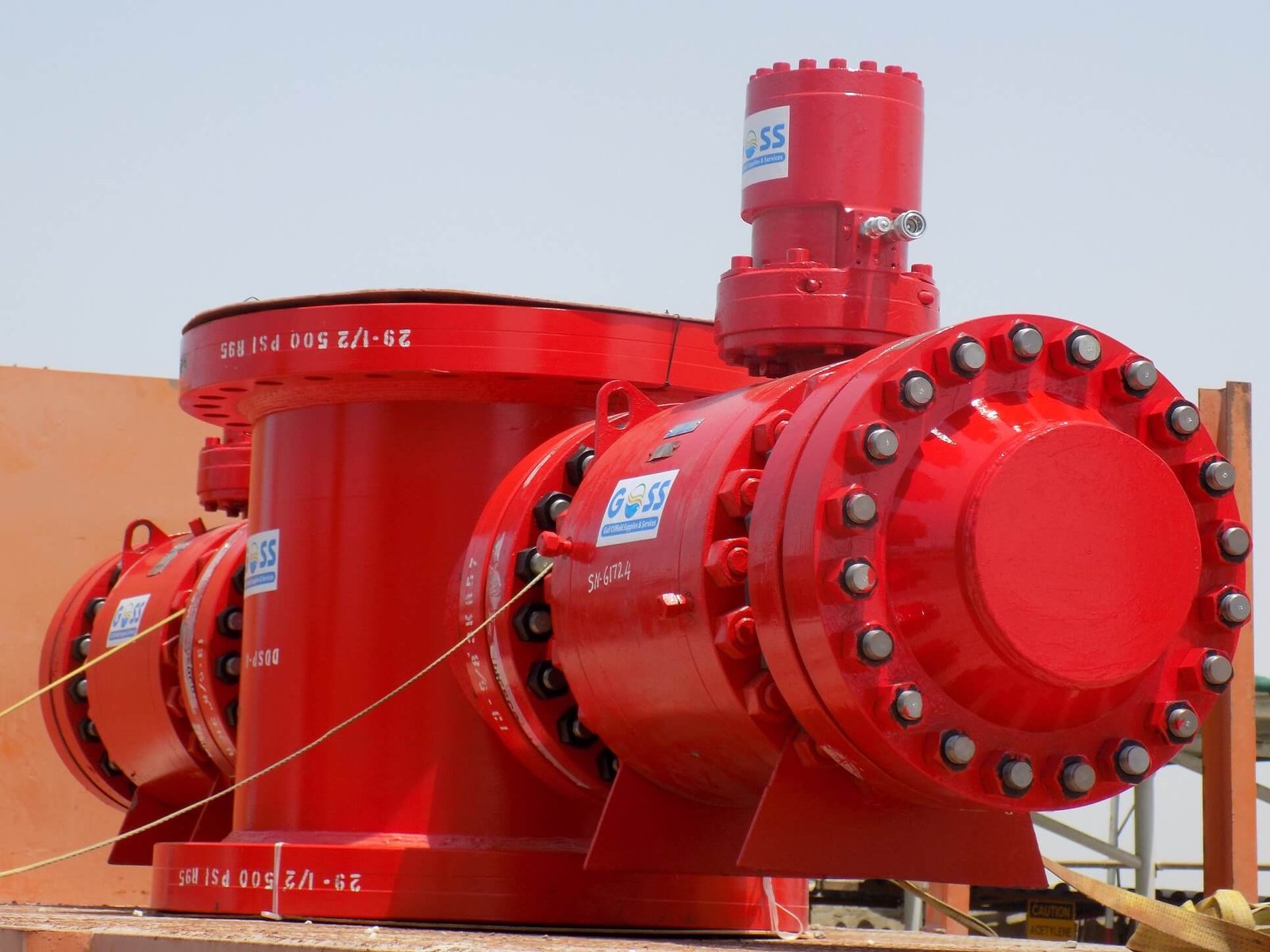
Documentation and inspection matter
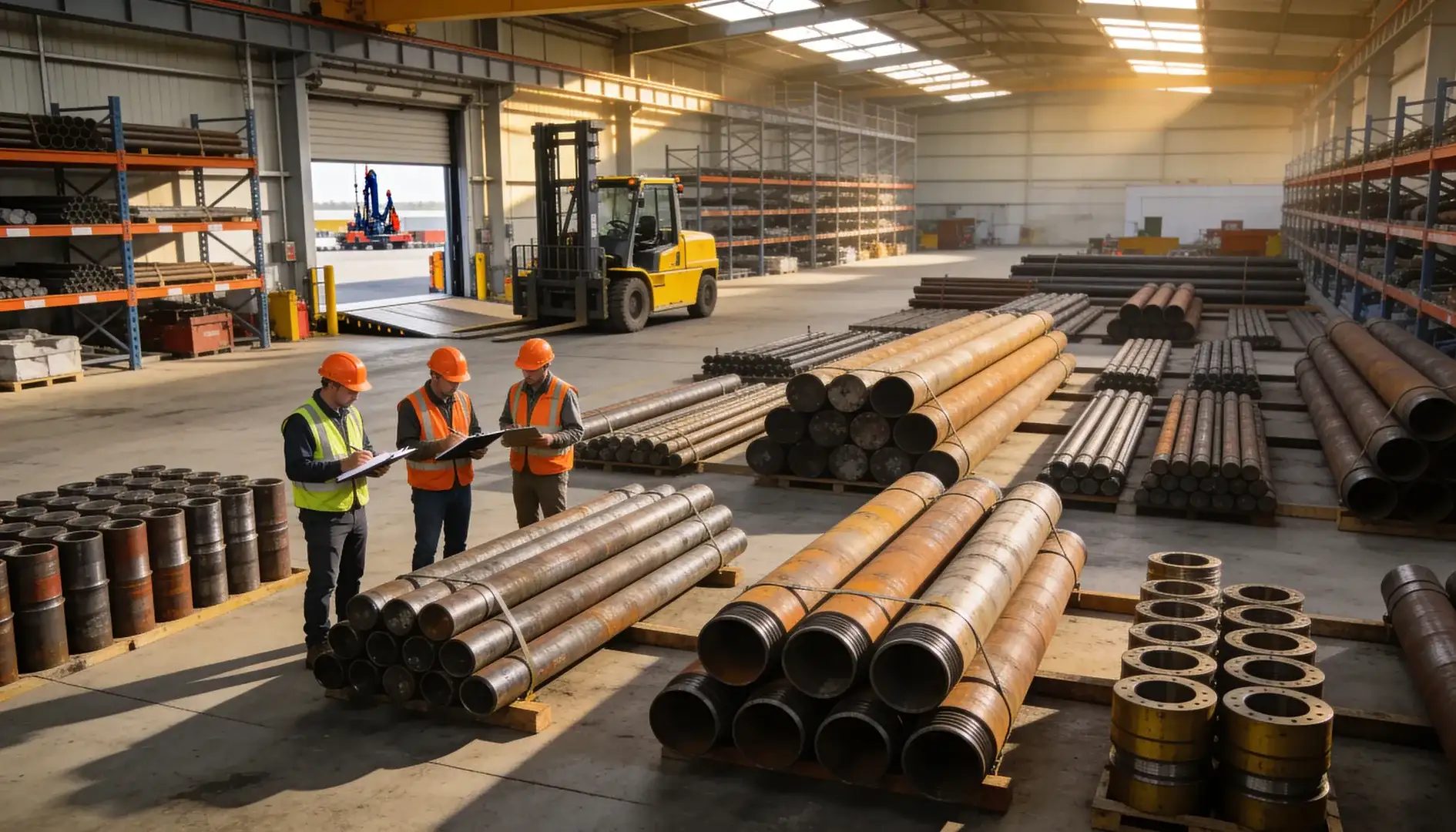
For cross-border projects, documentation can decide whether equipment enters service smoothly. Technical drawings, electrical diagrams, pipeline layouts, spare parts lists, packing information and operating manuals should be prepared before shipment.
Buyers should also request photos or videos from the manufacturing and testing stage, especially for customized units.
Factory acceptance should be more than a visual check. The buyer can ask for pressure tests, heating tests, control system checks and a review of accessible maintenance points.
If the project includes oilfield cementing truck, it is worth confirming the exact configuration of the pump system, mixing or heating arrangement, valve layout and safety protection. Such checks reduce disputes after delivery and help the field team prepare for commissioning.
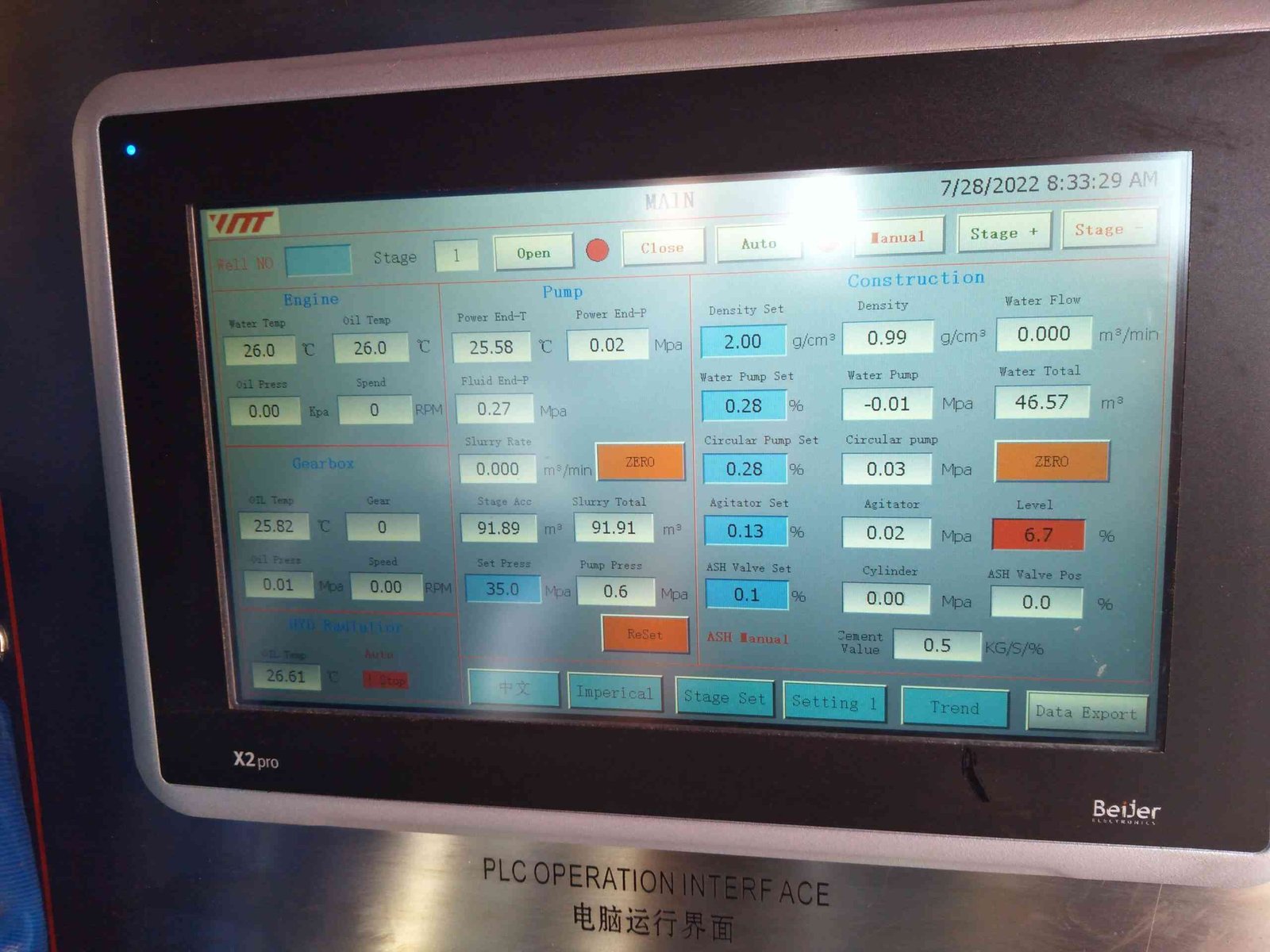
Evaluate total cost of ownership
The cheapest proposal is not always the lowest-cost solution. Freight, customs, site preparation, training, replacement parts, downtime and maintenance all affect the real budget.
A unit that is easier to operate and maintain can save money across several seasons of work. Buyers should therefore compare offers by lifecycle value, not only by the first invoice.
Serviceability is especially important in remote oilfield areas. Clear component access, organized piping, protected cables, logical control panels and available spare parts help a crew solve issues faster.
For equipment such as oilfield triplex plunger pump, simple field maintenance can be the difference between a short stop and a cancelled operation.
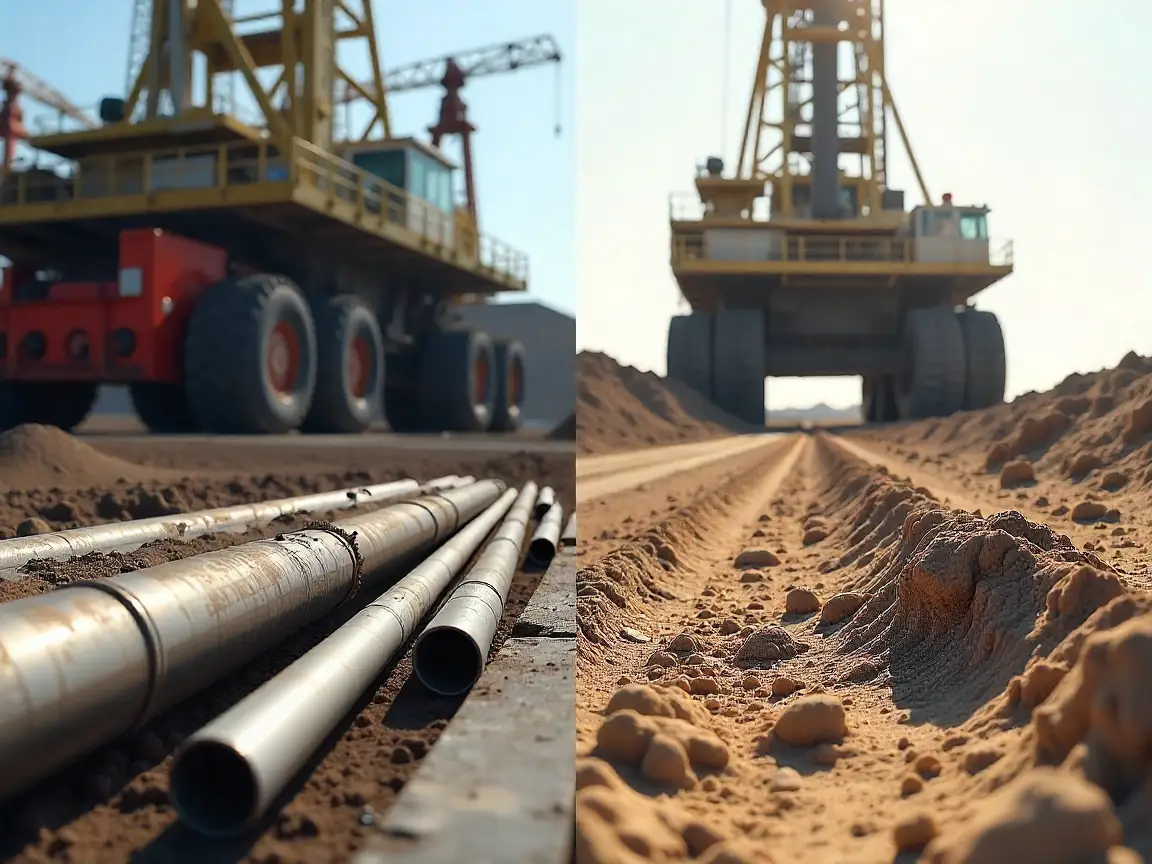
Supplier communication and export readiness
A reliable supplier asks detailed questions. It should clarify the well conditions, local road rules, fuel availability, operator experience, language requirements and project schedule. This kind of communication may seem slow at the beginning, but it prevents expensive redesign later.
For buyers managing procurement across different countries, a supplier that understands export packaging, shipping documents and technical communication is valuable.
It is also wise to discuss after-sales support before signing. Buyers should know how spare parts will be identified, what information is included in the manual, whether remote technical support is available and how the supplier handles questions during commissioning. A strong manufacturer treats delivery as one stage of the project, not the end of the relationship.
Conclusion
Successful oilfield equipment sourcing depends on engineering fit, transparent documentation and long-term service thinking.
Whether the buyer needs flushing, cementing, testing, nitrogen service, heating or production support, the equipment should be selected according to real field conditions.
By checking supplier capability carefully and focusing on lifecycle value, buyers can reduce risk and build a more dependable oilfield service fleet.
asset managementcementing trucksdrilling equipmentenergy sectorengineering solutionsequipment maintenancefield operationsglobal sourcingheavy machineryindustrial manufacturingindustrial pumpsinternational tradeoil and gasoilfield equipmentoilfield servicesprocurementproject managementsupply chain managementtechnical sourcingwell services
Artikel terkait lainnya