




After the CPD Course, What Will You Check Differently?
 DEMOCRAZY News
18 September 2026 3:51 pm
.
4 menit membaca
DEMOCRAZY News
18 September 2026 3:51 pm
.
4 menit membaca

A course certificate is easy to file away.
The useful test comes on the next live transaction: does someone spot the trigger earlier, check the right rule and know who owns the deadline?
The slides cover the rule, the presenter gives a few examples, participants complete the session and then return to work with exactly the same checklist they had before.
For lawyers, accountants and corporate-finance teams taking HKEX Listing Rules CPD courses, the better test is simple: does the session change what you look for in the next live matter?
The next live file is the real test of the course
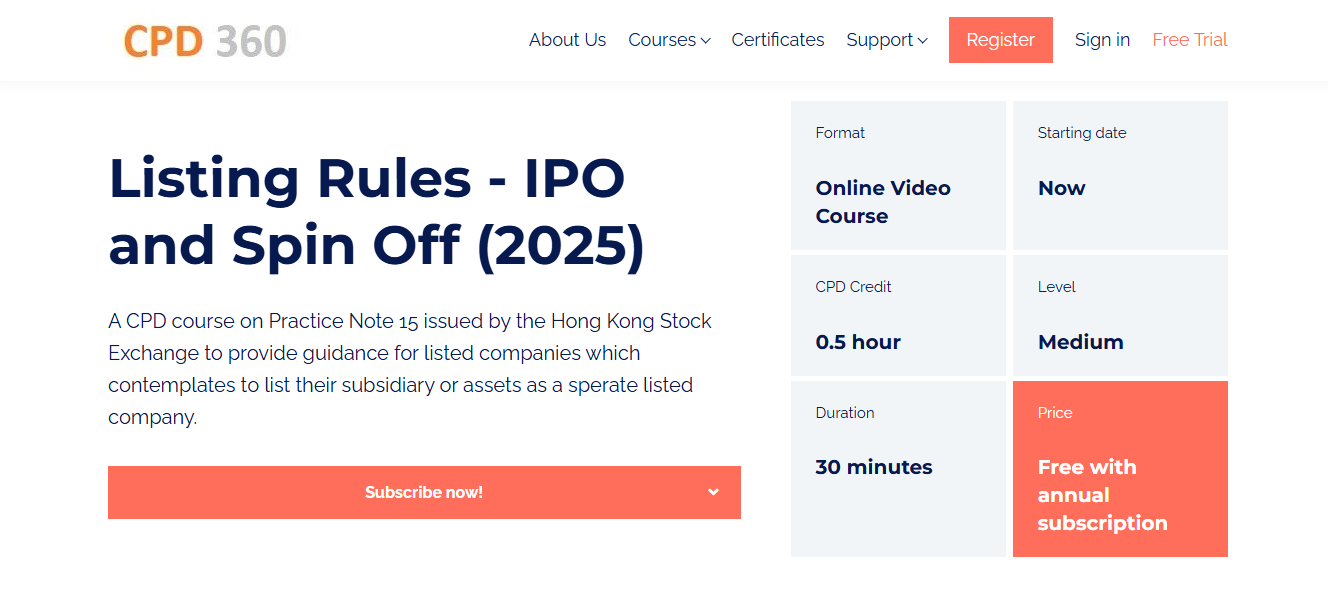
The CPD360 IPO and spin-off course is built around a specific topic rather than a broad annual update.
That focus is useful because listing-rule work is rarely performed as a memory test.
Professionals deal with a transaction, identify the applicable requirements, check thresholds or conditions, document the reasoning and decide what needs escalation.
A short course earns its value when it sharpens that workflow rather than adding another set of slides to archive.
For an IPO or spin-off topic, participants should be able to leave with a clearer view of what facts need to be collected at the beginning.
Structure, ownership, financial history, independence questions and transaction relationships can all change the analysis.
The learning value is not in memorising every paragraph number.
It is in recognising which facts make the rule relevant.
Training notes should point back to the current rules
Listing requirements change over time and detailed application depends on current rules, guidance and facts.
The authoritative rule text and current guidance should stay open during training; slide summaries are useful navigation, not a substitute for the source.
A practical CPD note might contain a short issue list and the official references that need to be checked when the issue arises.
That is far more useful six months later than a page of copied bullet points with no context.
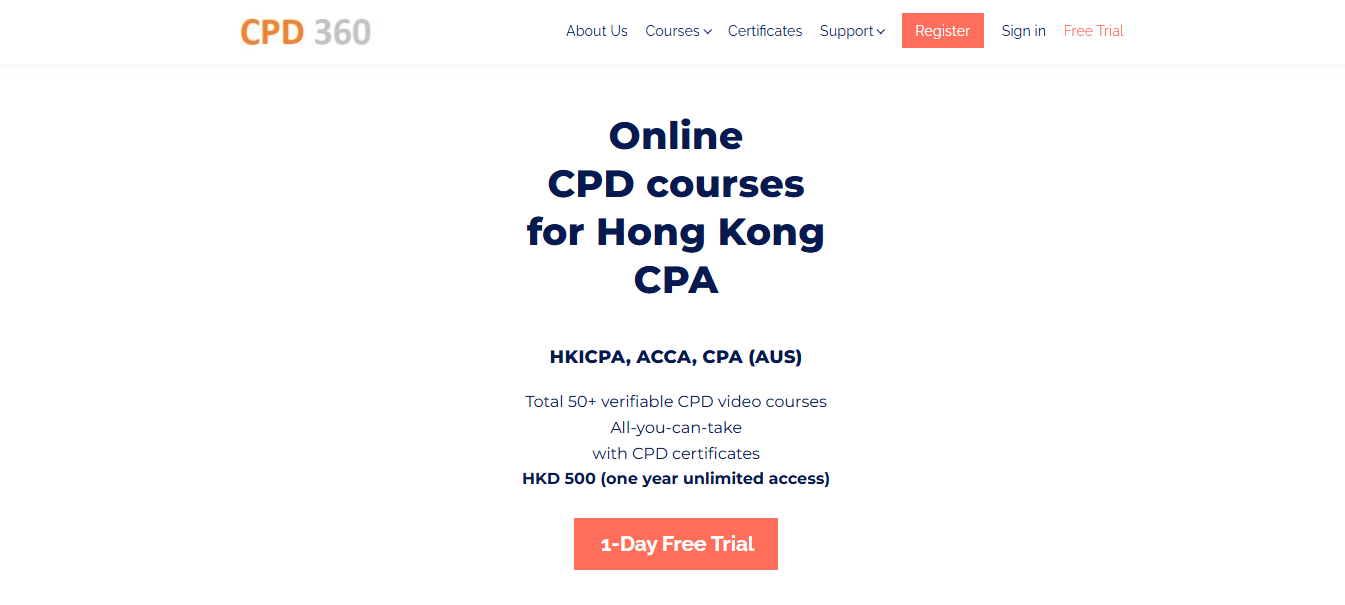
The CPD360 website provides the broader course platform.
For professional use, firms should still maintain their own process for checking current HKEX materials and internal precedents.
Good CPD includes the awkward facts
Training examples are often too clean.
Real transactions contain late information, changing structures and facts that do not sit neatly inside one category.
A worthwhile course should spend time on those edges.
What changes if an assumption made at the start turns out to be wrong?
Which issue needs specialist advice?
What should be documented when the answer depends on judgement rather than a simple threshold?
Those are the moments when training turns into professional practice.
For teams, it can help to discuss one recent internal matter after the course and ask where the new material would have changed the work.
Record learning in a way that can be reused
CPD records are often kept because professional bodies require evidence of learning.
That administrative record is separate from the working value of the course.
After a session, write down two or three practical points in your own words.
Add the date and the source reference you would check next time.
If the course highlights a change relevant to the firm’s checklist or template, update that document while the point is still fresh.
HKEX Listing Rules CPD courses work best when they sharpen issue spotting and lead people back to the current rule with better questions.
The certificate records attendance.
The real result appears later, when someone sees a transaction fact, recognises why it matters and checks it before the issue becomes expensive.
### A useful course leaves a working note behind
After the session, turn the lesson into one page: trigger, rule to check, owner and deadline.
Bring that sheet into the next live transaction and see whether anyone actually uses it.
Baca Juga
business lawcompliance trainingcontinuing educationcorporate financecorporate governancecpd trainingfinancial regulationshkex listing rulesipo processissue spottinglegal compliancelegal practicelegal workflowprofessional developmentprofessional educationregulatory complianceregulatory updatesrisk managementspin off transactionstransaction advisory
Artikel terkait lainnya