



The Hidden Cost of Planning Everything Yourself — And Why All-Inclusive Changes the Calculation
 DEMOCRAZY News
23 Juni 2026 7:27 pm
.
5 menit membaca
DEMOCRAZY News
23 Juni 2026 7:27 pm
.
5 menit membaca
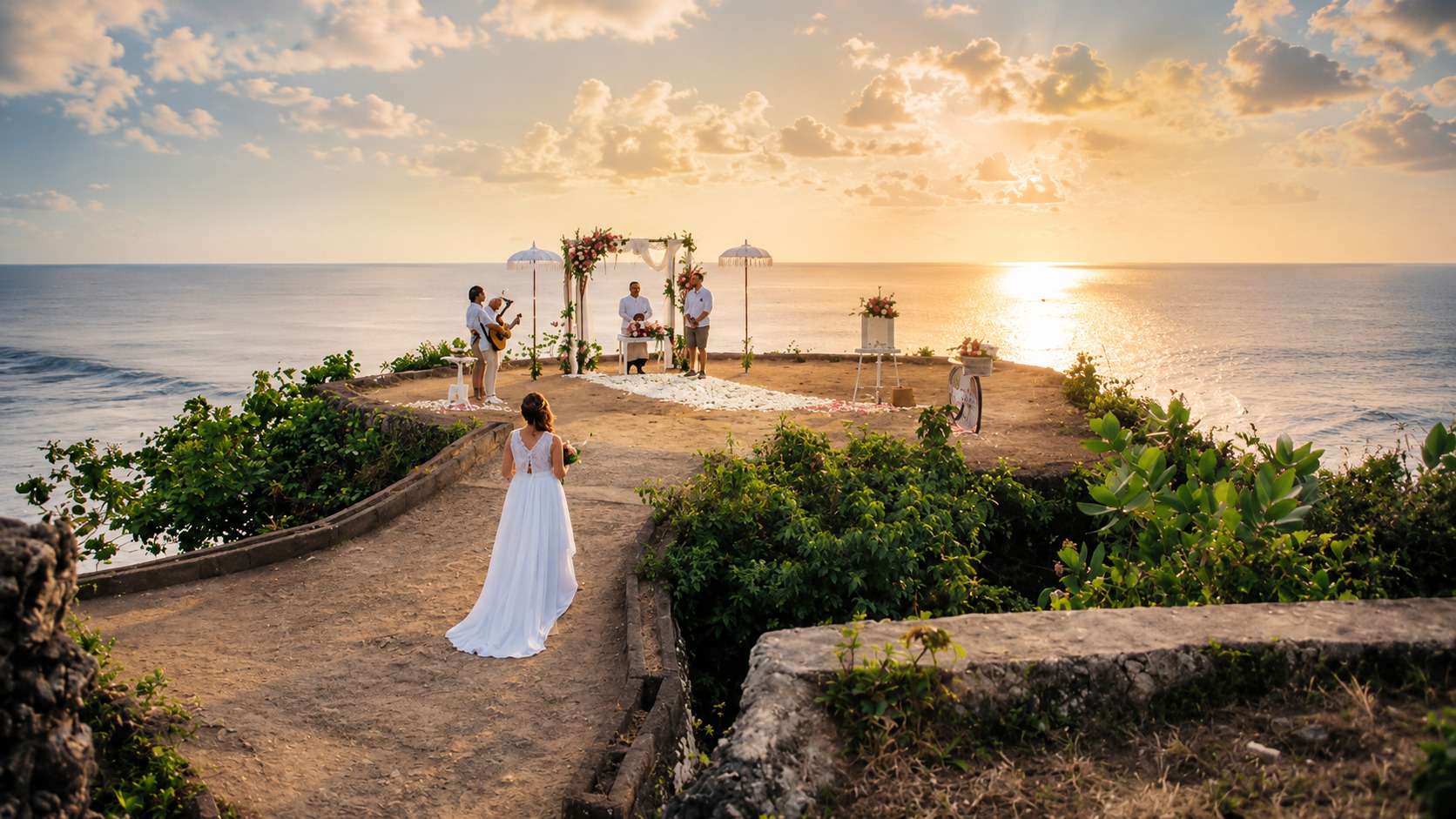
The All-Inclusive Advantage: Simplifying Your Destination Wedding in Bali
Spend any amount of time in wedding planning forums and you’ll encounter a particular type of post.
It goes something like this: a couple shares their Bali wedding budget breakdown, line by line, vendor by vendor — and somewhere between the florist deposit, the photographer travel fee, the venue catering surcharge, and the transportation costs they didn’t anticipate, the total has drifted thirty or forty percent above what they originally expected.
The comments fill with sympathetic responses from people who experienced the same thing. Nobody warned them. Or rather, plenty of people warned them, but the warnings felt abstract until the invoices arrived.
This is the core problem with building a destination wedding supplier by supplier from scratch: every individual cost looks manageable in isolation.
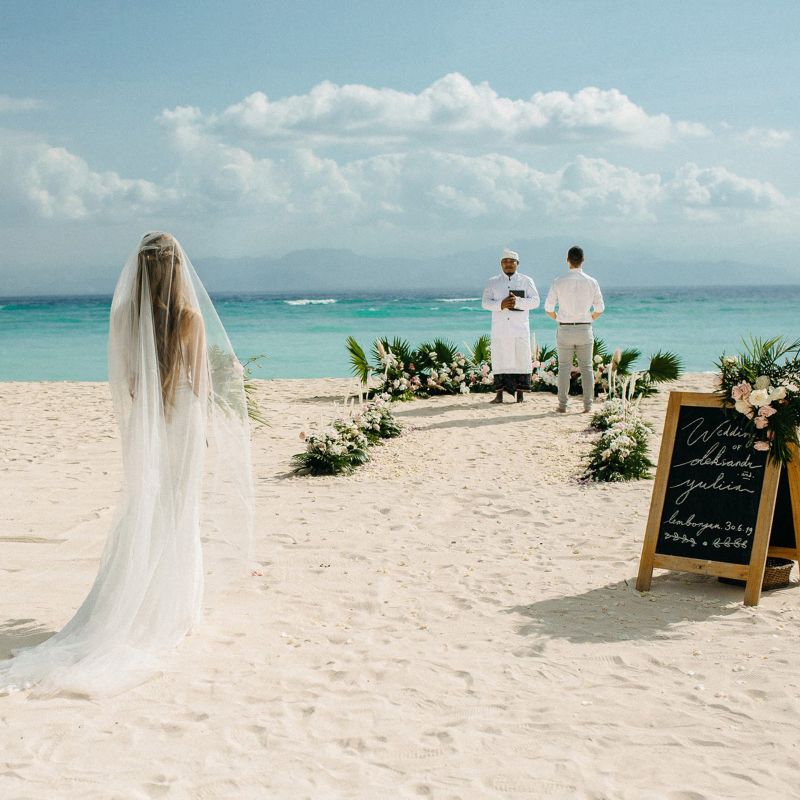
It’s only when you assemble the full picture that the cumulative weight becomes clear — and by that point, commitments have already been made, deposits have been paid, and the flexibility to restructure has largely evaporated. Couples who approach Bali weddings this way aren’t making a mistake exactly.
They’re just underestimating the complexity of what they’re coordinating, which is an easy thing to do when you’re planning from abroad and each supplier conversation happens separately, weeks apart, without a clear view of the total.
The appeal of an all-inclusive wedding Bali package comes down to one thing that sounds simple but has significant practical consequences: clarity.
A single, comprehensive package that covers venue, catering, floristry, photography, coordination, hair and makeup, and transportation gives couples something that piecemeal planning almost never provides — an accurate picture of what the wedding will actually cost, from the beginning, before any decisions become irreversible.
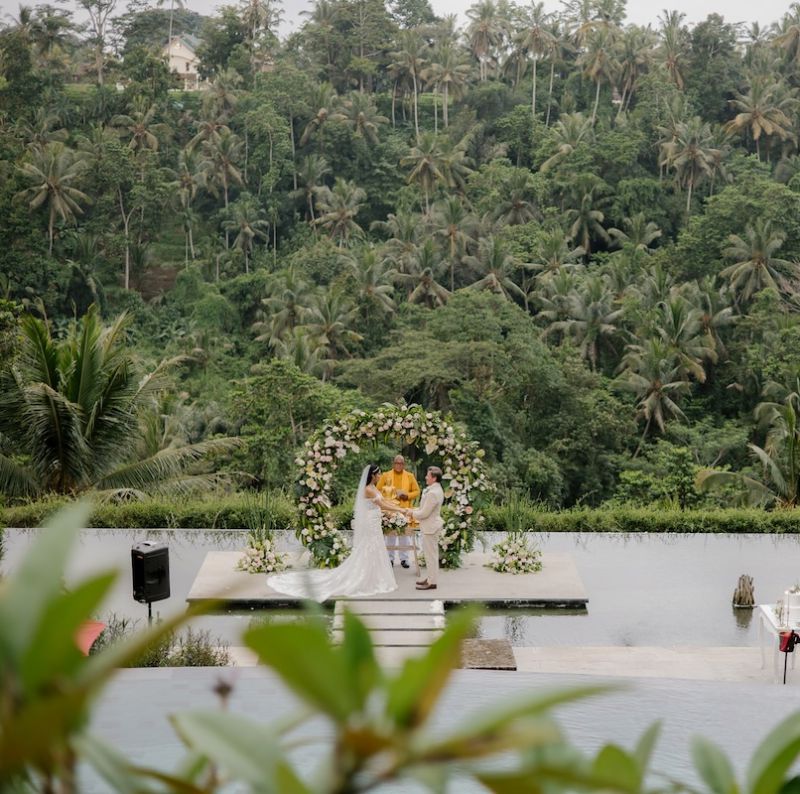
That clarity changes how couples plan. It reduces the anxiety that comes from perpetually wondering what the next invoice will look like. It makes budgeting conversations between partners more grounded and less speculative.
And it frees up mental energy that would otherwise go toward logistics, allowing it to go toward the parts of wedding planning that are actually enjoyable.
There’s a quality dimension to all-inclusive packages that gets less attention than the financial one, but matters just as much.
When a single agency is responsible for every element of a wedding — not just coordinating between separate suppliers but genuinely owning the outcome across all of them — the incentive structure changes. A photographer booked independently has one job: deliver good photographs.
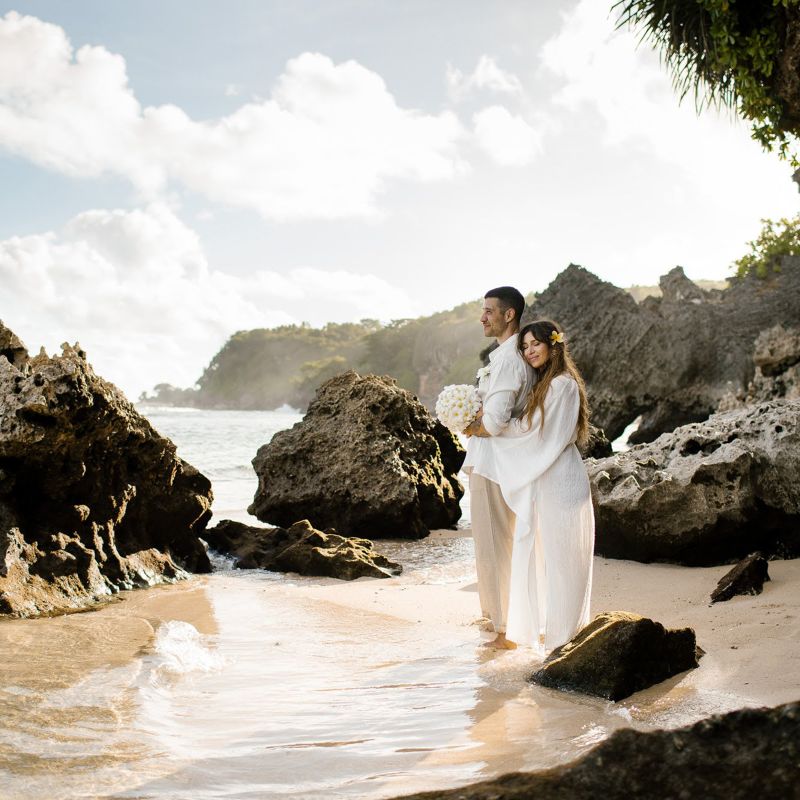
A photographer working within an integrated team that is collectively accountable for the couple’s overall experience has a different relationship to the day.
Baca Juga
The same applies to every other element. Integration creates accountability in a way that a loosely assembled supplier network simply doesn’t, and that accountability tends to produce better results across the board.
Customization is the concern most couples raise when all-inclusive packages come up, and it’s a fair one.
The word “package” carries connotations of standardization — fixed menus, generic florals, predetermined schedules that don’t reflect who the couple actually is.
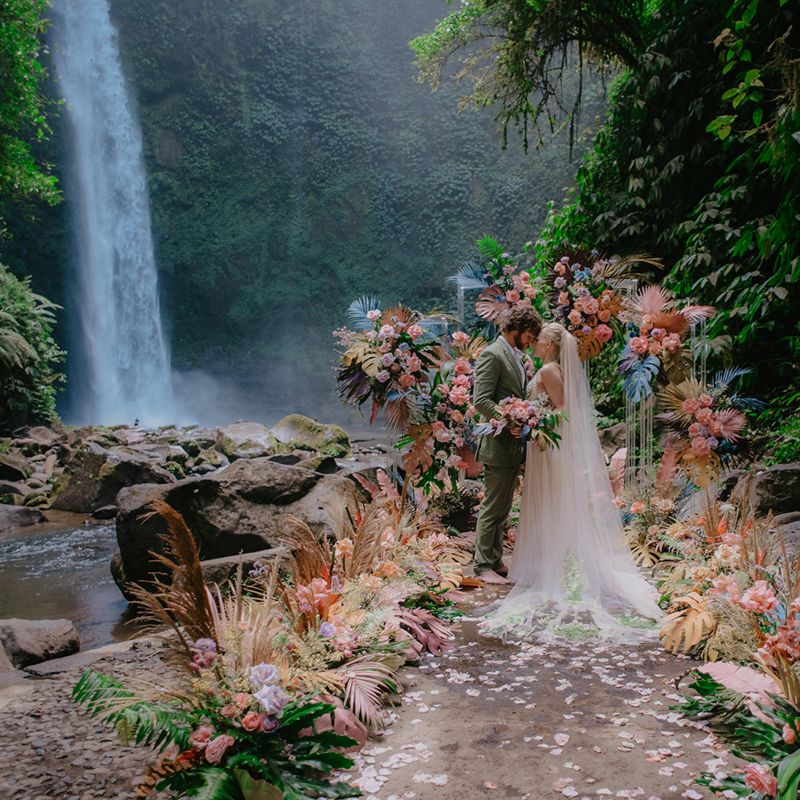
The best packages in Bali don’t work that way. They use a comprehensive offering as a foundation and build from there, adjusting elements to reflect the couple’s aesthetic, their guest list, their cultural backgrounds, and the specific experience they want to create.
The difference between a rigid package and a well-designed inclusive offering is the degree to which the planning team treats the package as a starting point rather than a ceiling.
Asking directly how customizable each element is — and getting specific answers rather than general reassurances — quickly reveals which category any given offering falls into.
Logistics management within an all-inclusive framework also tends to be significantly tighter than what couples experience when coordinating independently.
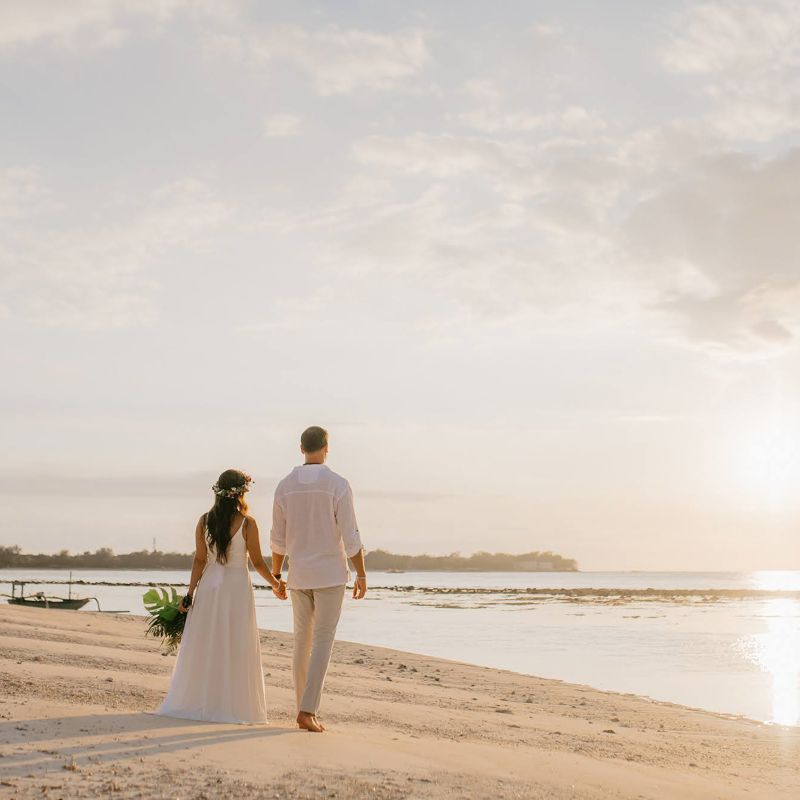
When one team is responsible for every moving part, communication between those parts happens internally rather than through the couple as an intermediary.
The florist and the venue coordinator are talking to each other directly, through a shared management structure, not through a chain of forwarded emails that passes through two stressed people trying to finalize their vows.
Setup times, delivery windows, and staffing schedules get synchronized in ways that are genuinely difficult to achieve when each supplier is operating as an independent contractor with their own priorities.
The result is a wedding day that runs with a smoothness that guests experience as effortless, even though the effort behind it has been substantial.

What all-inclusive wedding planning ultimately offers couples getting married in Bali is the ability to approach the entire experience differently — from the first planning conversation through the last dance.
Instead of managing a project, they’re making creative decisions. Instead of chasing invoices and confirmations, they’re choosing between floristry concepts and menu options.
Instead of spending the months before the wedding feeling vaguely anxious about whether everything will hold together, they’re genuinely looking forward to it. That shift in experience is not a minor thing.
Planning a wedding is supposed to be one of the more enjoyable periods of a couple’s life together. An all-inclusive approach, done well, makes that possible in a way that DIY destination wedding planning rarely does.

Artikel terkait lainnya