


LCD Display Module Manufacturer in China for Industrial Product Teams
 DEMOCRAZY News
11 Agustus 2026 6:37 pm
.
3 menit membaca
DEMOCRAZY News
11 Agustus 2026 6:37 pm
.
3 menit membaca
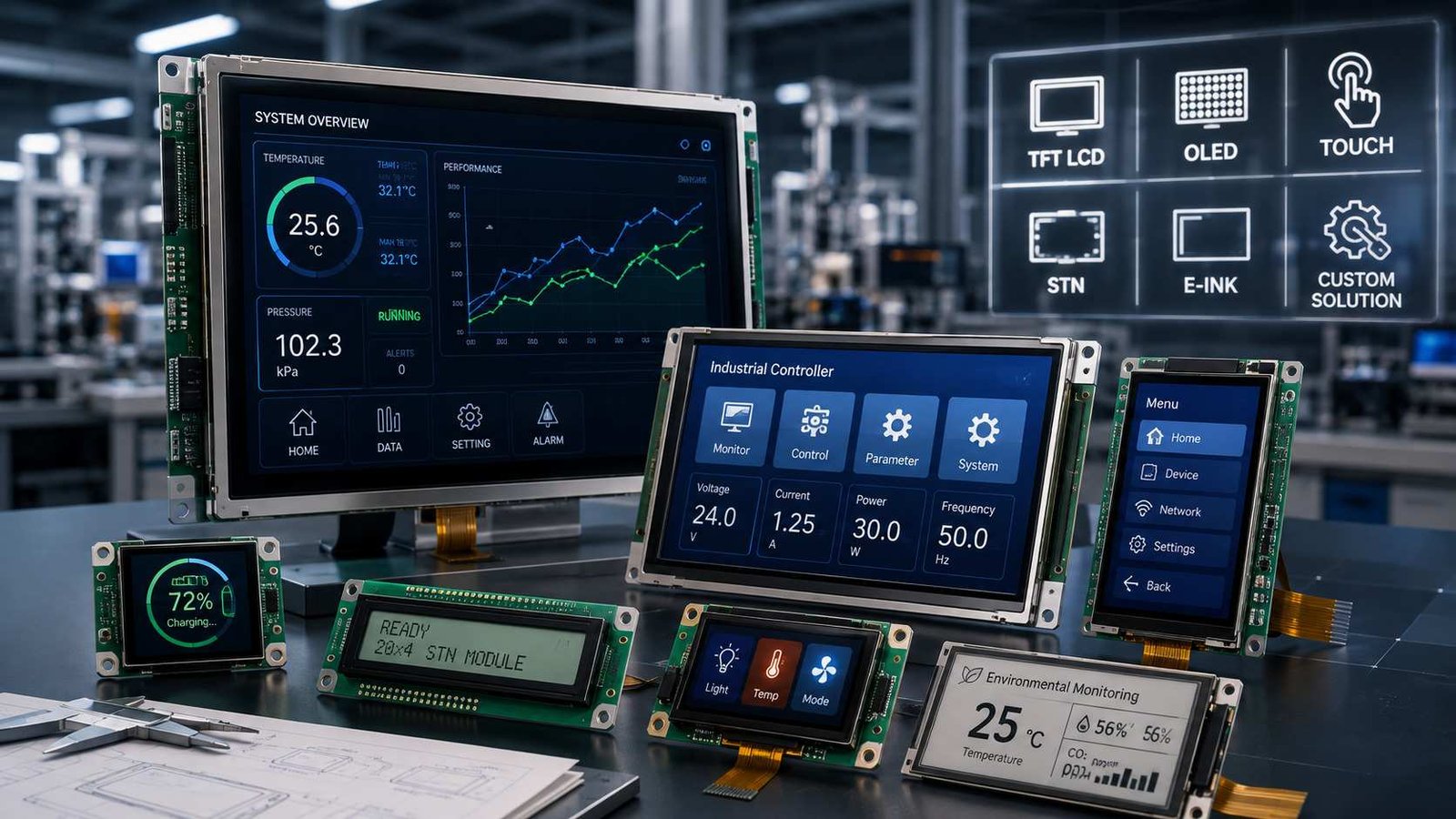
A display module is one of the first parts users notice, yet it is often selected late in product development.
That can create an awkward compromise: the screen works electrically, but the dimensions, interface or viewing experience do not fit the finished device. A better approach is to choose the display while the product layout is still flexible.
Start with the user’s view
Think about where the screen will sit and what the user needs to see.
A medical device, industrial controller and smart-home panel may all use an LCD, but their priorities are different.
Viewing distance, lighting, operating temperature and the amount of information on screen help define the right direction.
Prepare a simple sketch showing the available space, visible area and connector location. This gives the supplier a clearer picture than a diagonal size alone.
Compare display families before individual models
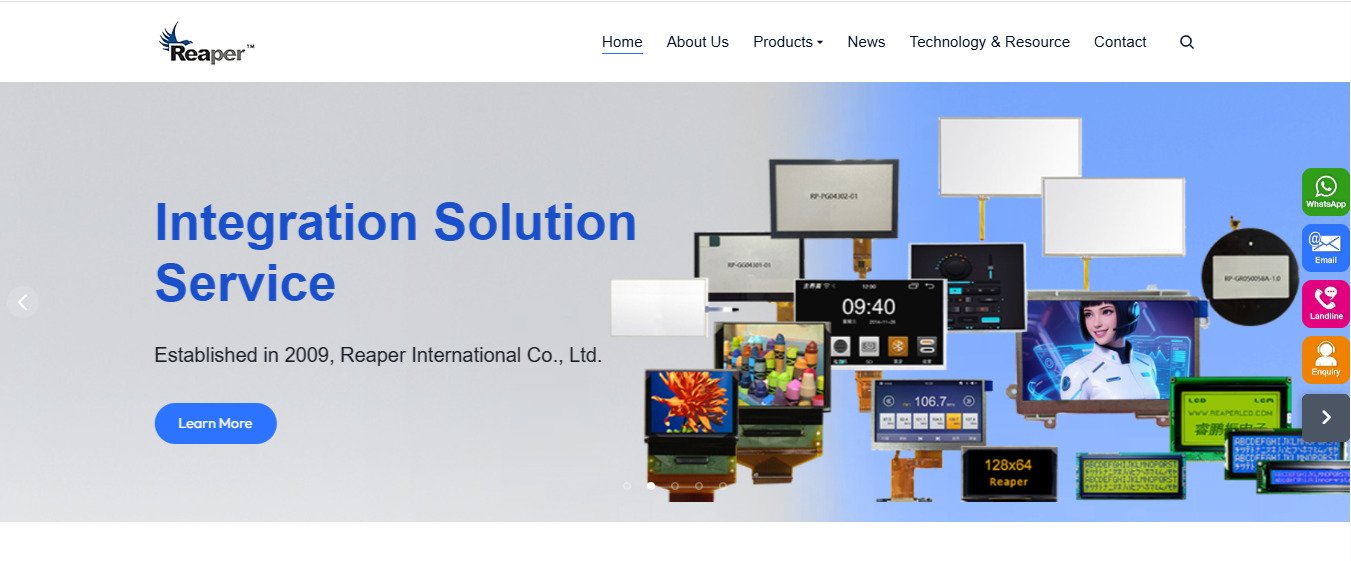
ReaperLCD manufactures and exports several display categories, including TFT LCD, OLED, smart displays, STN modules, touch screens and e-ink.
The company states that it was established in 2009 and supplies standard and customised LCD solutions.
Buyers can use the display module catalogue to explore available formats, then narrow the choice by application, dimensions and interface. This is faster than comparing unrelated models one by one.
Decide what really needs to be customised
Some projects only need a standard module with a suitable cable or interface. Others may require cover glass, printing, touch integration, a different FPC or a shape that matches the enclosure.
Separate essential changes from optional ones before asking for a quote.
This keeps the project easier to price and reduces the chance that a cosmetic idea delays an otherwise workable display.
Approve the experience, not only the drawing
Test samples with the intended hardware and software. Check the interface at normal viewing angles and in realistic lighting. If touch is included, let people unfamiliar with the product try the main actions.
An LCD display module manufacturer in China should help the buyer move from a broad catalogue to a screen that fits the device and the user. Clear requirements and a real sample test make that decision far more straightforward.
For repeat orders, record the full model name, approved drawing, interface, cable position and any custom cover-glass details.
A photo of the installed sample can also help purchasing and quality teams identify the correct version without relying on memory or an informal product description.
china lcd module suppliercustom lcd display manufacturerlcd display module manufacturerlcd display module manufacturer in chinatft lcd display module manufacturer
Artikel terkait lainnya