


Mobility Aids for Seniors: How to Choose the Right One
 DEMOCRAZY News
25 Juni 2026 3:57 pm
.
5 menit membaca
DEMOCRAZY News
25 Juni 2026 3:57 pm
.
5 menit membaca
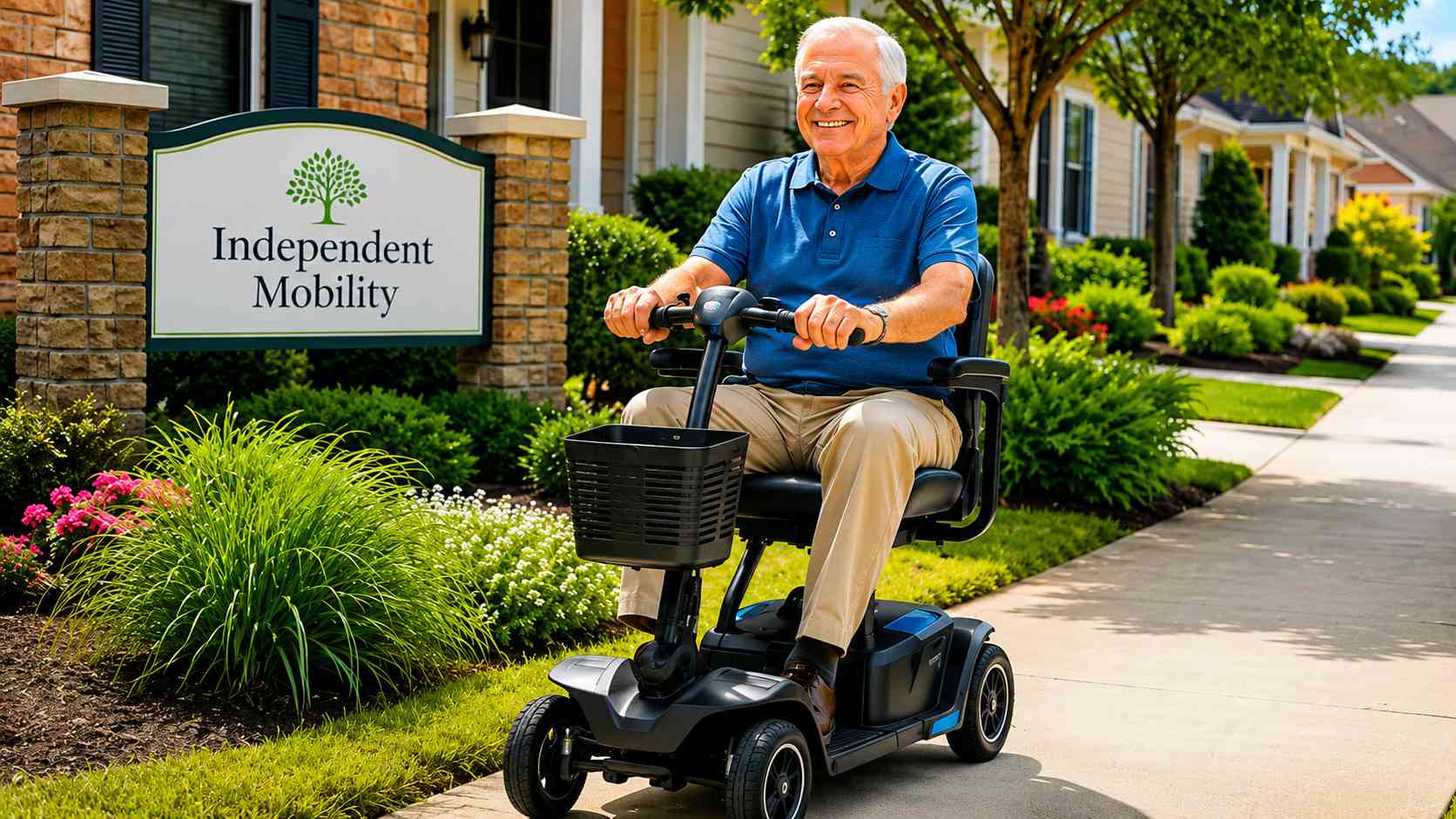
The right mobility aid for a senior depends on how they actually walk and where they actually live. Families helping a parent or grandparent stay active often begin the search without much guidance, and a cane, walker, rollator, or scooter can each be the right answer for a different person.
CDC data shows that 1 in 4 Americans age 65 and older falls each year, which makes the choice a safety question first, not a comfort question.
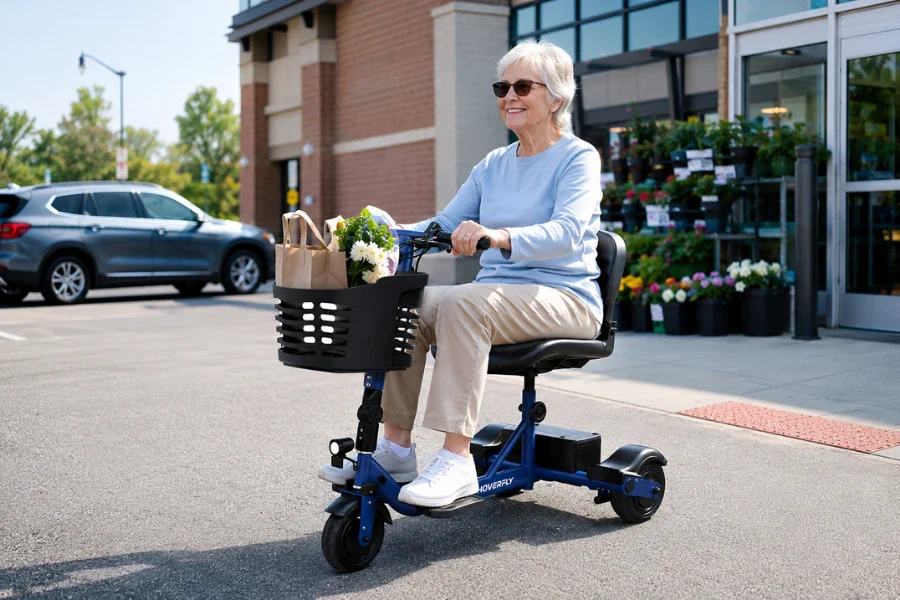
How to Choose a Mobility Aid for Seniors
Match the device to the walking ability
A senior who walks steadily but tires after a block needs something very different from one who struggles to stand. Mild balance issues usually get solved by a single-point or quad cane.
When stability fails on both sides, walkers and rollators carry more of the load. Recent surgery often calls for a walker at first, with a rollator introduced once strength returns.
Account for the home setup
Doorway widths, throw rugs, and bathroom layout all shape what fits indoors. Narrow halls rule out wide-base walkers, and a two-story house usually needs either a stair lift or a single-floor living plan.
Outdoor terrain pushes the choice the other way, since gravel and slopes are unsafe for small wheels.
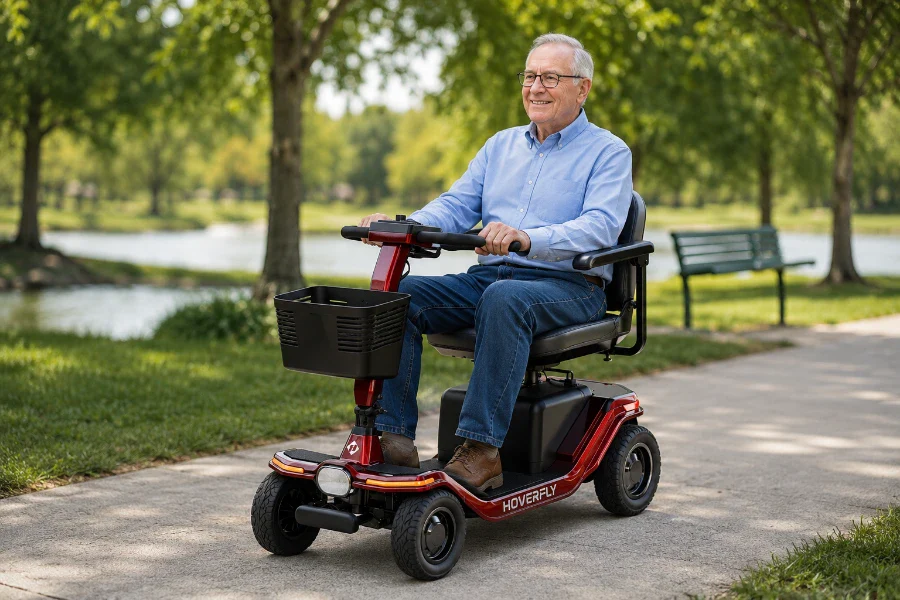
Main Types of Mobility Aids for Seniors
Different aids solve different problems. A senior with arthritis in one knee needs less support than someone recovering from a hip replacement, and the equipment should reflect that gap.
| Aid Type | Best For | Typical Weight | Indoor/Outdoor |
| Cane | Mild balance issues, one-sided weakness | 0.5–1 lb | Both |
| Quad cane | Moderate balance issues | 1.5–2 lb | Mostly indoor |
| Walker | Post-surgery, full support is needed | 5–8 lb | Mostly indoor |
| Rollator | Distance walking with rest stops | 12–18 lb | Both |
| Mobility scooter | Long distances, low stamina | 50–150+ lb | Mostly outdoor |
| Power wheelchair | Cannot self-propel a manual chair | 100–250 lb | Both |
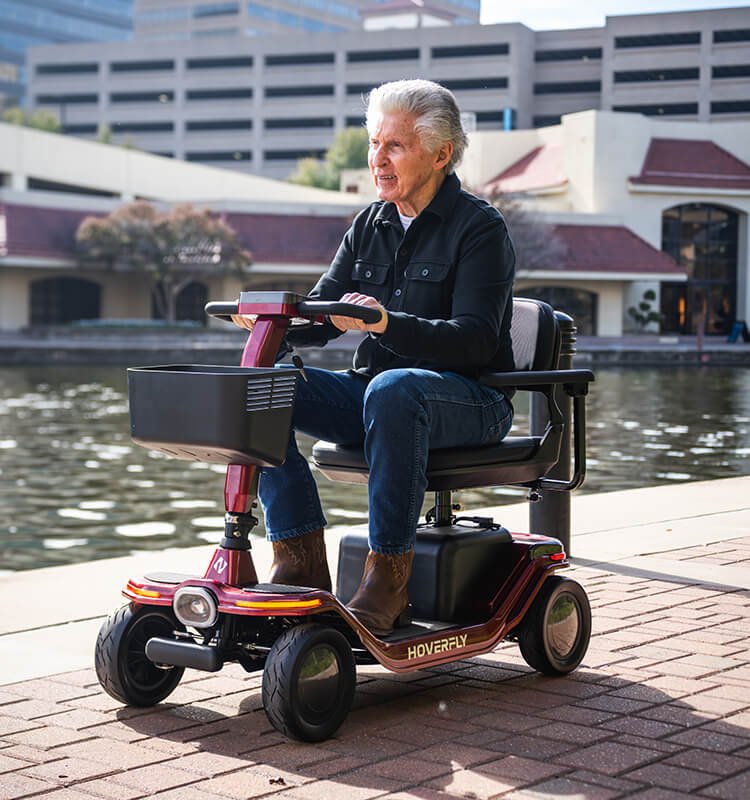
When a Mobility Scooter Becomes the Right Step
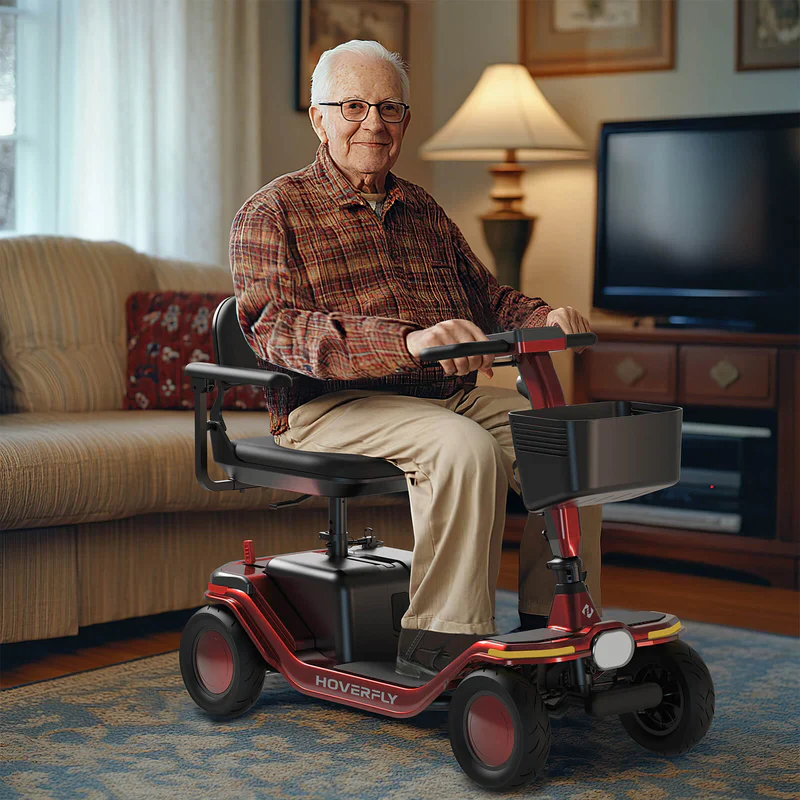
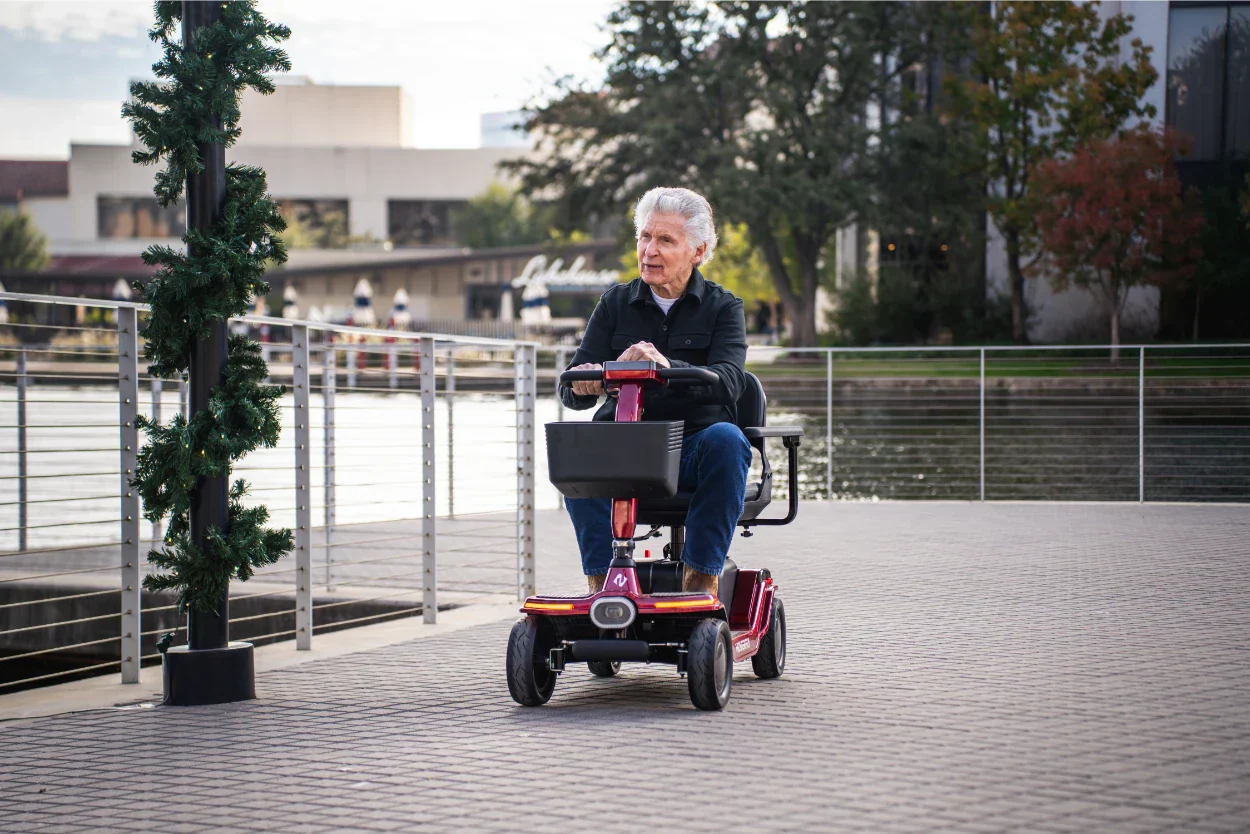
Scooters work for seniors who can transfer in and out safely but cannot walk far without exhaustion. Many older adults who quietly stopped going to the grocery store or family events return to those activities once powered mobility is in the house. The change is practical, not cosmetic.
Three-wheel vs four-wheel
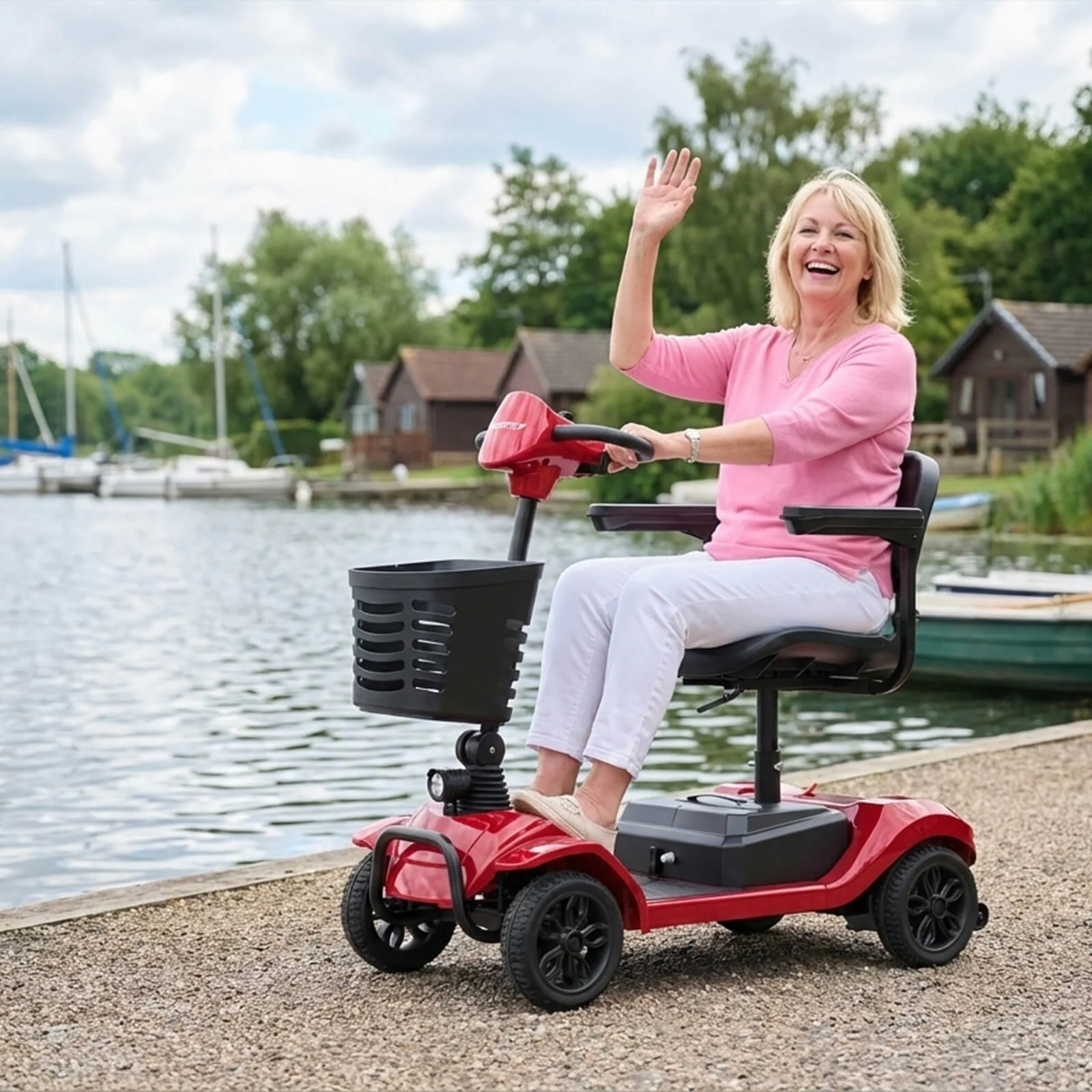
Three-wheel models turn tighter and weigh less, which suits compact homes and apartment hallways. A folding three-wheel scooter that weighs around 220lbs lifts into a car trunk without help. Four-wheel models trade some of that agility for steadier handling on uneven pavement.
Range and weight capacity
Battery range tells you how far one charge will travel before recharging. For everyday errands, 10 to 17 miles is the practical window, and most adult scooters support up to 330 pounds. An everyday four-wheel scooter with 12.4 miles of range covers a typical week of short trips without daily charging.
Safety Features Worth Looking For
Falls remain the leading cause of fatal and nonfatal injuries among older adults, which makes safety details on any aid worth real attention. Non-slip rubber tips on canes and walkers prevent skidding.
Rollator brakes should engage automatically when the user releases the handle, not only when squeezed. Anti-tip wheels and gentle slope-speed control make scooters safer on uneven ground.
Weight capacity matters more than buyers expect. A device rated below the user’s body weight loses stability quickly, and manufacturer ratings should clear actual weight by a margin.
Baca Juga
Does Medicare Pay for Mobility Aids?
Medicare Part B covers durable medical equipment when a doctor certifies it as medically necessary for use inside the home.
The program pays 80% of the approved amount after the annual Part B deductible, and the user covers the remaining 20%. The 2026 Part B deductible is $257.
Outdoor-only scooters and recreational devices fall outside this rule. A prescription has to show that a cane or walker cannot meet the senior’s needs at home before a power scooter qualifies, and the supplier must be Medicare-enrolled.
FAQs
What is the easiest mobility aid for an elderly person to use?
A standard cane is the easiest starting point for mild balance issues. It needs no setup, no charging, and adjusts in seconds. For seniors with weaker grip, an offset handle reduces wrist strain during longer walks.
Are mobility scooters safe for elderly users?
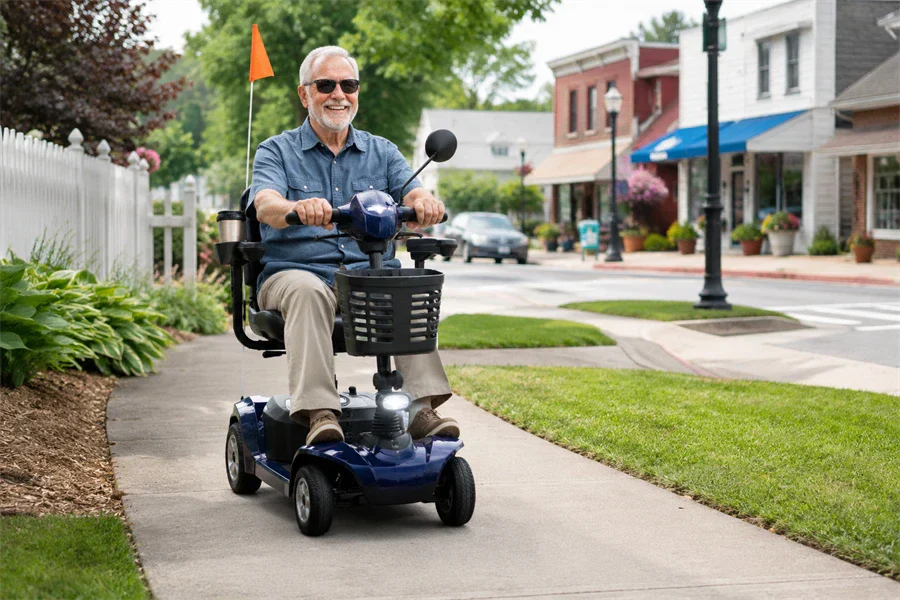
Yes, when matched to the user’s ability and used on appropriate surfaces. Anti-tip wheels, automatic slope speed control, and tested batteries reduce common risks, and adult models usually cap speed under 4 mph.
Can a senior get a mobility aid through Medicare?
Sometimes. Medicare Part B covers walkers, canes, manual wheelchairs, and power scooters when a doctor confirms they are medically necessary for home use. The user pays 20% after the annual deductible, and the supplier must be Medicare-enrolled.
aging wellaging with dignitycaregivingelderly carefall preventionhealth tipshealthy aginghome careindependent livingmedical equipmentmobility aidsmobility aids for seniorsmobility scootermobility supportphysical therapysafety firstsenior caresenior healthsenior safetywalker aidswellness
Artikel terkait lainnya