

From Sandbags to Steel: Why Hesco Barriers Are the Modern Gold Standard for Defense
 DEMOCRAZY News
1 April 2026 2:55 pm
.
3 menit membaca
DEMOCRAZY News
1 April 2026 2:55 pm
.
3 menit membaca
From Sandbags to Steel: Why Hesco Barriers Are the Modern Gold Standard for Defense
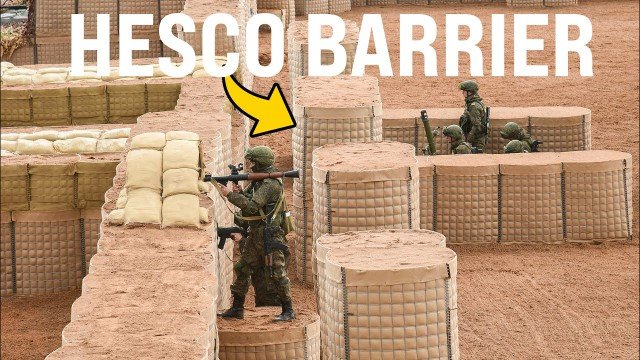
In the world of civil engineering and military logistics, we often obsess over the “newest” tech—drones, AI surveillance, and composite materials. Yet, sometimes the most revolutionary innovations are the ones that take a centuries-old concept and refine it into something nearly perfect. If you’ve spent any time looking at modern forward operating bases or flood-stricken coastal towns, you’ve seen them: those massive, sand-filled wire cages lined with heavy-duty fabric.
While they might look like simple boxes, the Hesco barrier has fundamentally changed how we protect lives and infrastructure in high-stakes environments.
The Evolution of the Wall
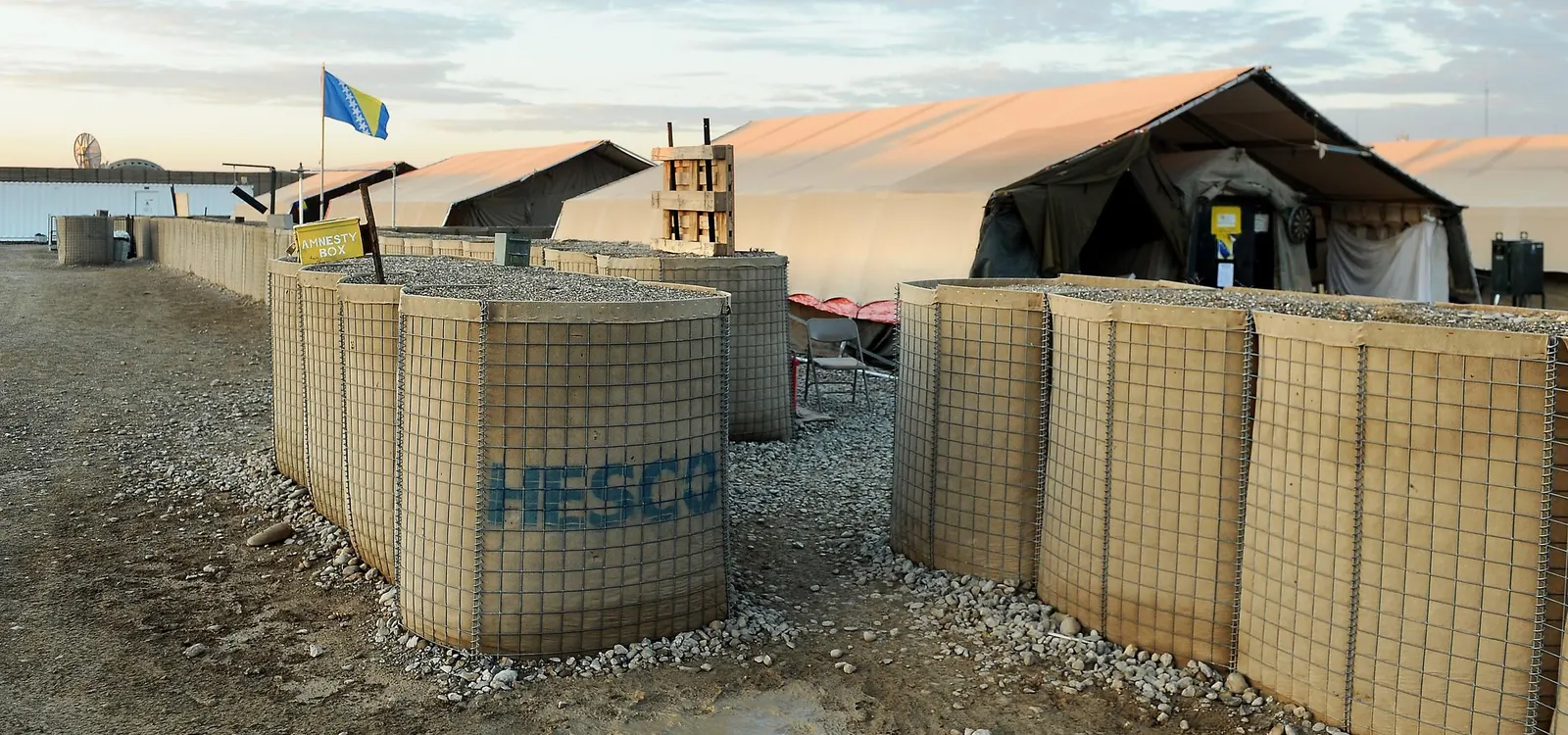
For centuries, the primary method of quick fortification was the sandbag. It was cheap and accessible but incredibly labor-intensive. Filling and stacking thousands of bags required an army of people and an eternity of time. The leap forward came when engineers looked at the traditional gabion—a stone-filled wire basket used since the medieval era for erosion control—and asked, “How can we make this lighter, faster, and more versatile?”
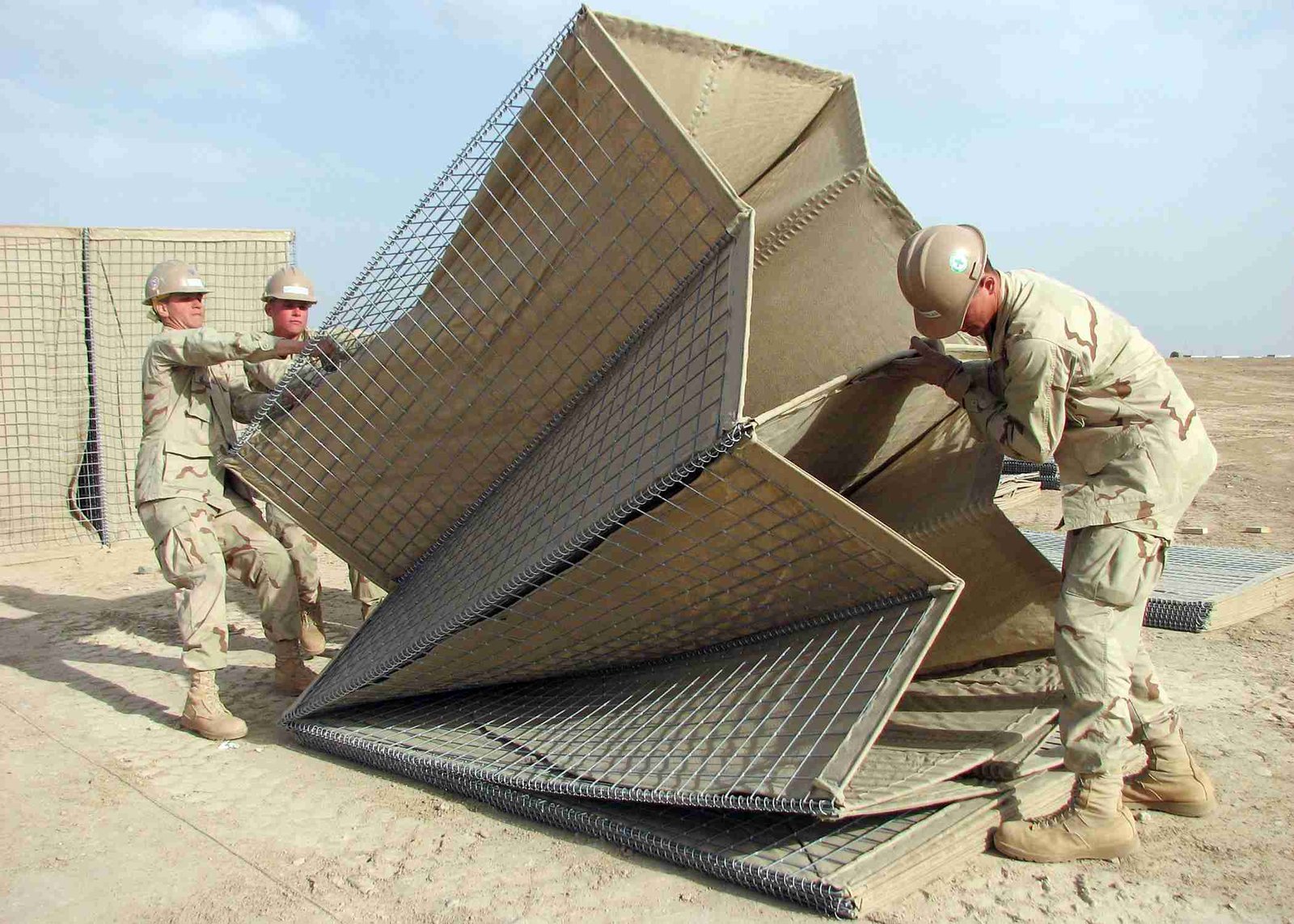
The answer was the integration of a non-woven geotextile liner within a collapsible wire mesh frame. This allowed the units to be transported flat, popped open like an accordion, and filled using heavy machinery rather than hand shovels.
Speed: The Ultimate Currency
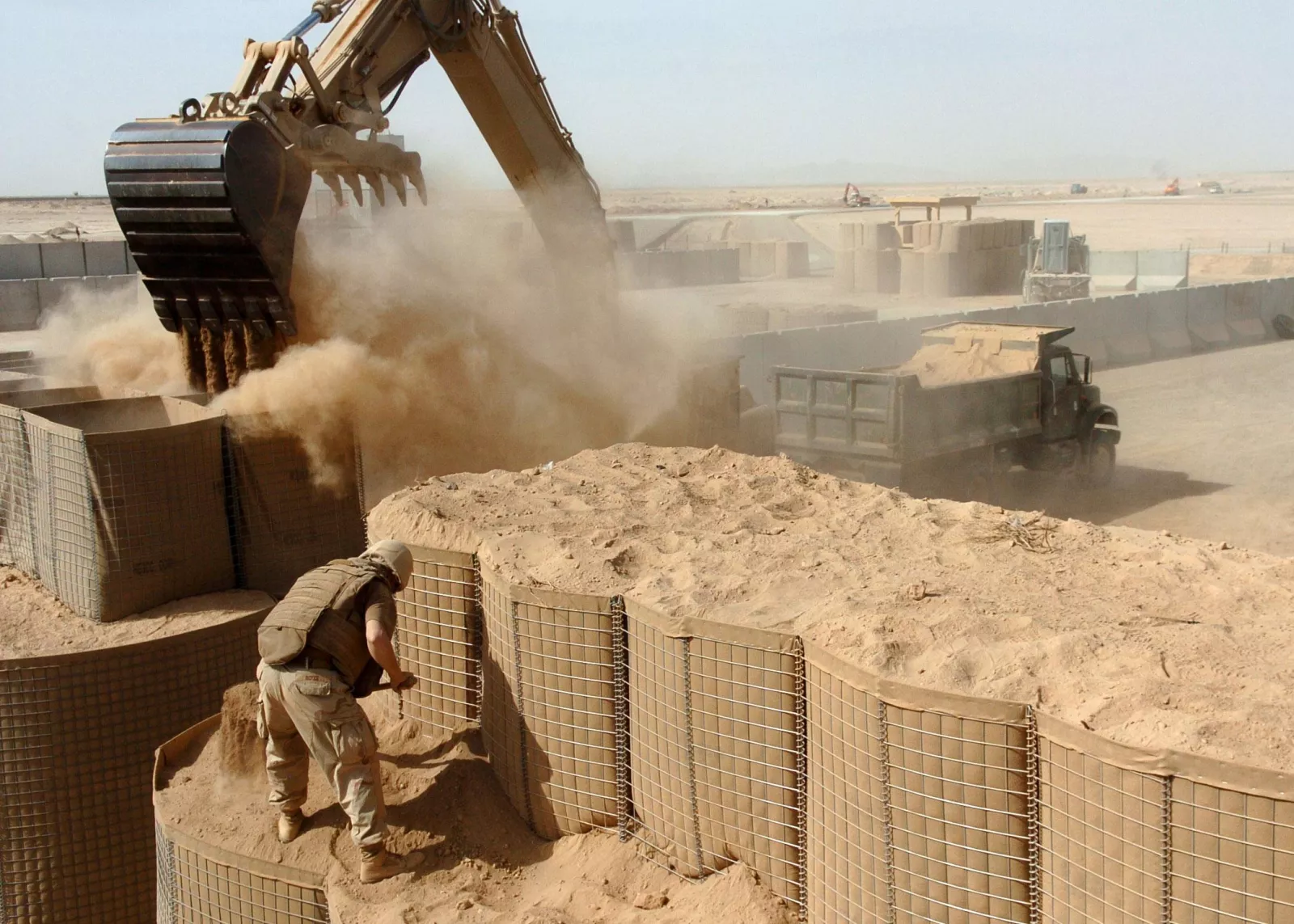
The brilliance of the Hesco barrier lies in its efficiency. In a combat zone or during a flash flood, time isn’t just money—it’s survival. A single unit can be filled in minutes using a front-end loader, providing the equivalent protection of roughly 1,500 sandbags. This 1,500-to-1 ratio is why these structures have become the literal backbone of modern perimeter security.
Beyond speed, they offer:
- Structural Integrity: Unlike sandbags, which can shift or degrade over time, the wire-mesh framework provides a rigid skeleton that resists high-velocity impacts and hydrostatic pressure.
- Material Versatility: You don’t need specialized gravel. Whether it’s desert sand, local earth, or crushed rock, the geotextile liner ensures the fill stays inside the cage.
- Modular Design: Units can be joined together and stacked to create everything from simple blast walls to multi-story bunkers and massive flood levees.
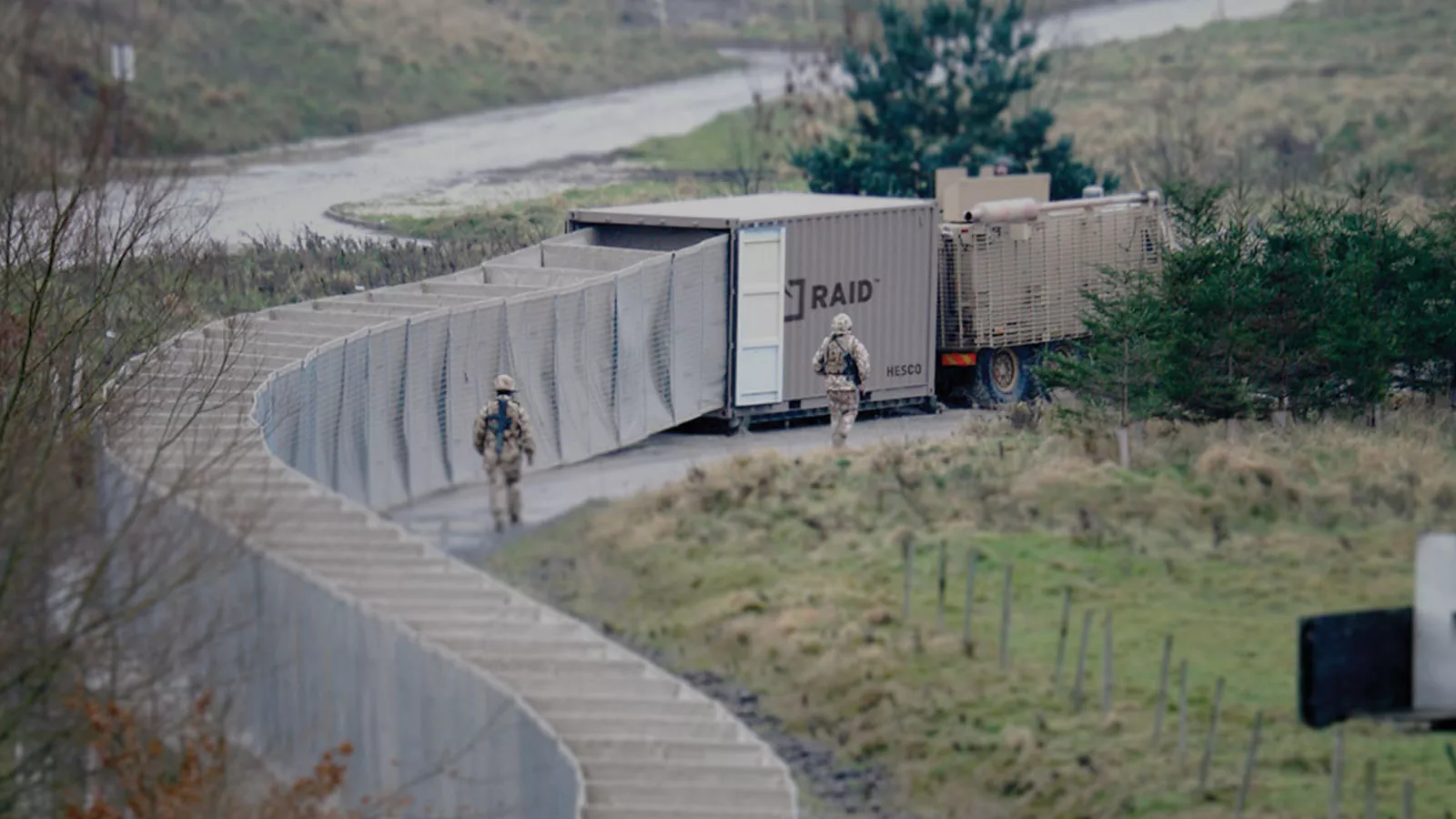
Beyond the Battlefield: Civil Applications
While their tan-colored walls are iconic in military photography, these barriers are increasingly finding a home in civilian disaster relief. As climate change increases the frequency of extreme weather, municipal governments are turning to these rapid-deployment systems to bolster riverbanks and protect power plants from rising waters.
They represent a shift in how we think about “temporary” infrastructure. They are easy to install, but they are also robust enough to stand for years if a situation demands it. When the crisis passes, many models can be emptied and folded back down, ready for the next emergency.
Final Thoughts
The history of protection is a history of adapting to our environment. We’ve moved from mud bricks to stone, and from sandbags to high-tensile wire. By combining the ruggedness of industrial engineering with the simplicity of a folding box, we’ve created a defense system that is as elegant as it is imposing. Whether it’s holding back a river or providing a safe haven in a conflict zone, these barriers prove that sometimes, the best way to move forward is to build a better wall.
blast mitigationcivil engineeringcombat engineeringdefense infrastructuredisaster relieferosion controlflood controlforce protectionfortificaton technologyhesco barriershesco bastionmilitary engineeringmilitary hardwaremodern defenseperimeter securityrapid deploymentsandbags vs hescosite securitystructural protectiontactical barriers
Artikel terkait lainnya