



Why Crypto Payments Are Becoming Mainstream in 2026
 DEMOCRAZY News
24 November 2026 8:19 pm
.
4 menit membaca
Why Crypto Payments Are Becoming Mainstream in 2026
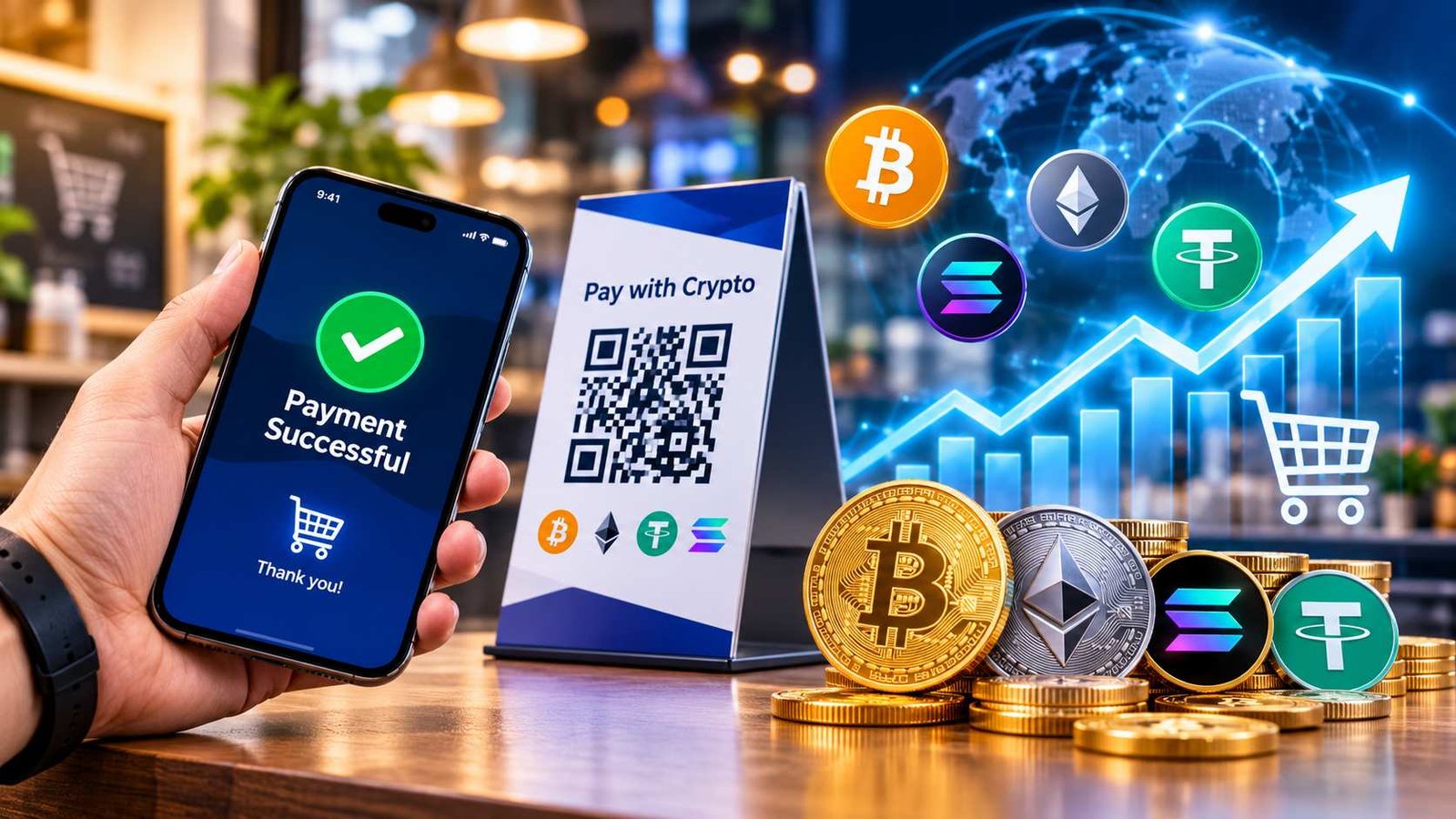
Crypto payments were once a niche feature found mainly in crypto-native online stores. In 2026, more mainstream merchants are adding them to their checkout.
No single event caused this shift. It comes from three trends working together: growing customer demand, better crypto payment infrastructure, and merchants looking for alternatives to card fees and chargebacks.
This article explains each trend, along with the challenges that still remain.
Why customers want to pay with crypto
Millions of people hold crypto, but holding digital assets and spending them are different habits. That gap is narrowing as wallets become easier to use and more merchants offer a familiar checkout.
A customer who already holds stablecoins or Bitcoin can pay directly, without converting to a local currency or waiting for a bank transfer.
For international shoppers, crypto can be the simplest way to pay. A wallet works across borders, while a card may be declined abroad or come with unfavourable exchange rates.
That convenience is a practical reason for merchants to offer the option.

Why merchants are looking beyond card payments
Card payments are convenient, but they bring costs: interchange and scheme fees, risk margins, and exposure to chargebacks.
For sellers of digital goods and services, chargebacks are especially painful because the product is delivered instantly and cannot be returned.
Crypto payments settle directly on-chain and have no card-style chargeback mechanism, so disputes are handled through the merchant’s own refund policy instead. Reach matters too.
When merchants accept crypto payments, they can serve customers that card-only checkouts miss, including shoppers in markets where card acceptance is unreliable or expensive.

How crypto payment gateways made adoption easier
Early crypto payments required custom wallets and manual reconciliation, which limited them to technically specialised businesses.
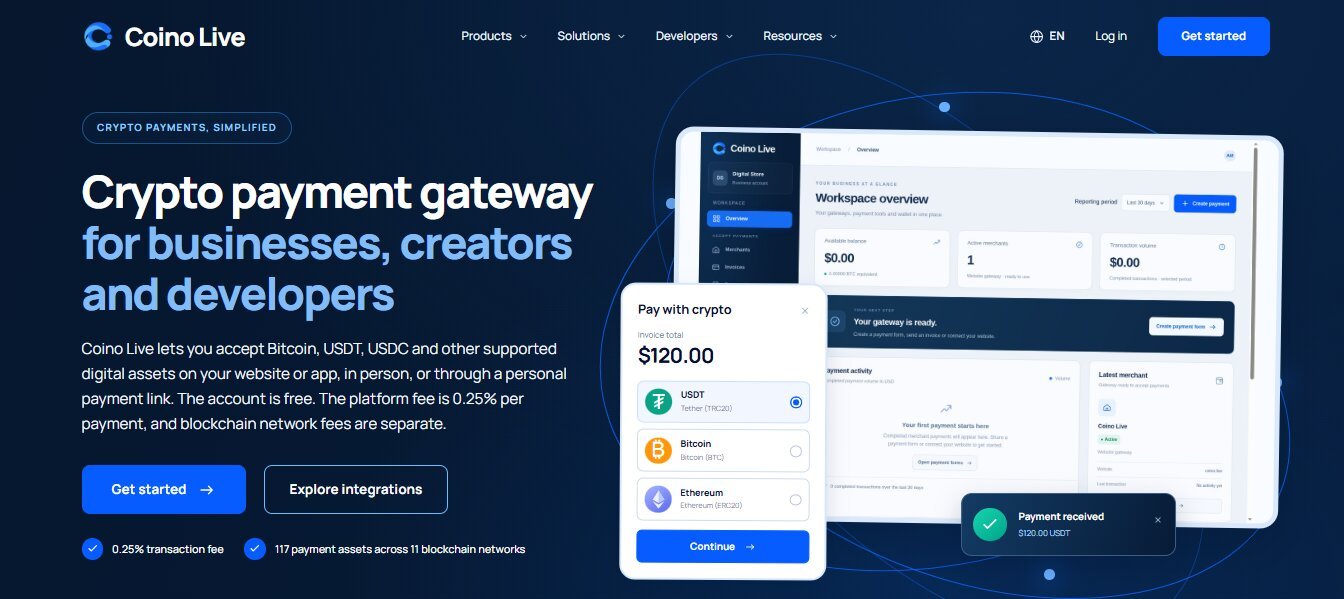
Today, hosted crypto payment gateways handle the payment page, coin and network selection, confirmations, and settlement.
Baca Juga
APIs and plugins make integration realistic for ordinary e-commerce teams, not just crypto companies.
A platform such as Coino Live shows how this works in practice. It offers a hosted crypto checkout, a REST API, and plugins for common e-commerce platforms.
A merchant creates a payment on its server, sends the customer to a checkout page, and receives signed webhooks whenever the payment status changes.
The challenges of accepting crypto payments
Crypto is not frictionless. Customers can choose the wrong network, network fees vary, and prices can be volatile. Compliance and accounting need careful attention, and refunds require a clear, published policy.
Baca Juga
Merchants should not treat crypto as a drop-in replacement for cards. It is an additional payment method with its own operating model.
Customer support is another consideration. A payment that is still confirming on-chain can look stuck to the customer.
Clear payment statuses and a searchable dashboard help support teams resolve questions quickly.

What comes next for crypto at checkout
The broader trend is toward more choice at checkout. Cards will remain dominant, but crypto, bank transfers, and local payment methods will increasingly sit alongside them.
Baca Juga
Merchants who offer a well-implemented crypto option can serve customers who prefer it without disrupting the rest of the checkout experience. The sensible approach is to start small.
Add crypto as an optional payment method, test the flow, track conversion and support tickets, and expand only if the numbers make sense.
The technology is now mature enough to support that measured approach.
The bottom line
Crypto payments are moving into the mainstream because the infrastructure has improved and the business case has become clearer.
They are not right for every business, but they are no longer an exotic experiment.
For merchants with international customers or digital products, a hosted crypto checkout is now a practical option rather than a major technical project.
bitcoin paymentsblockchain paymentschargeback protectioncoino livecross border paymentscrypto 2026crypto commercecrypto paymentsCryptocurrencydigital assetsdigital paymentsecommerce checkoutfintech trendsmerchant adoptiononline checkoutpayment gatewaypayment infrastructurepayment processingstablecoinsweb3 payments
Artikel terkait lainnya