






Fuel Pump Problems vs. Clogged Fuel Filter: How to Tell the Difference
 DEMOCRAZY News
30 September 2026 2:19 pm
.
7 menit membaca
DEMOCRAZY News
30 September 2026 2:19 pm
.
7 menit membaca
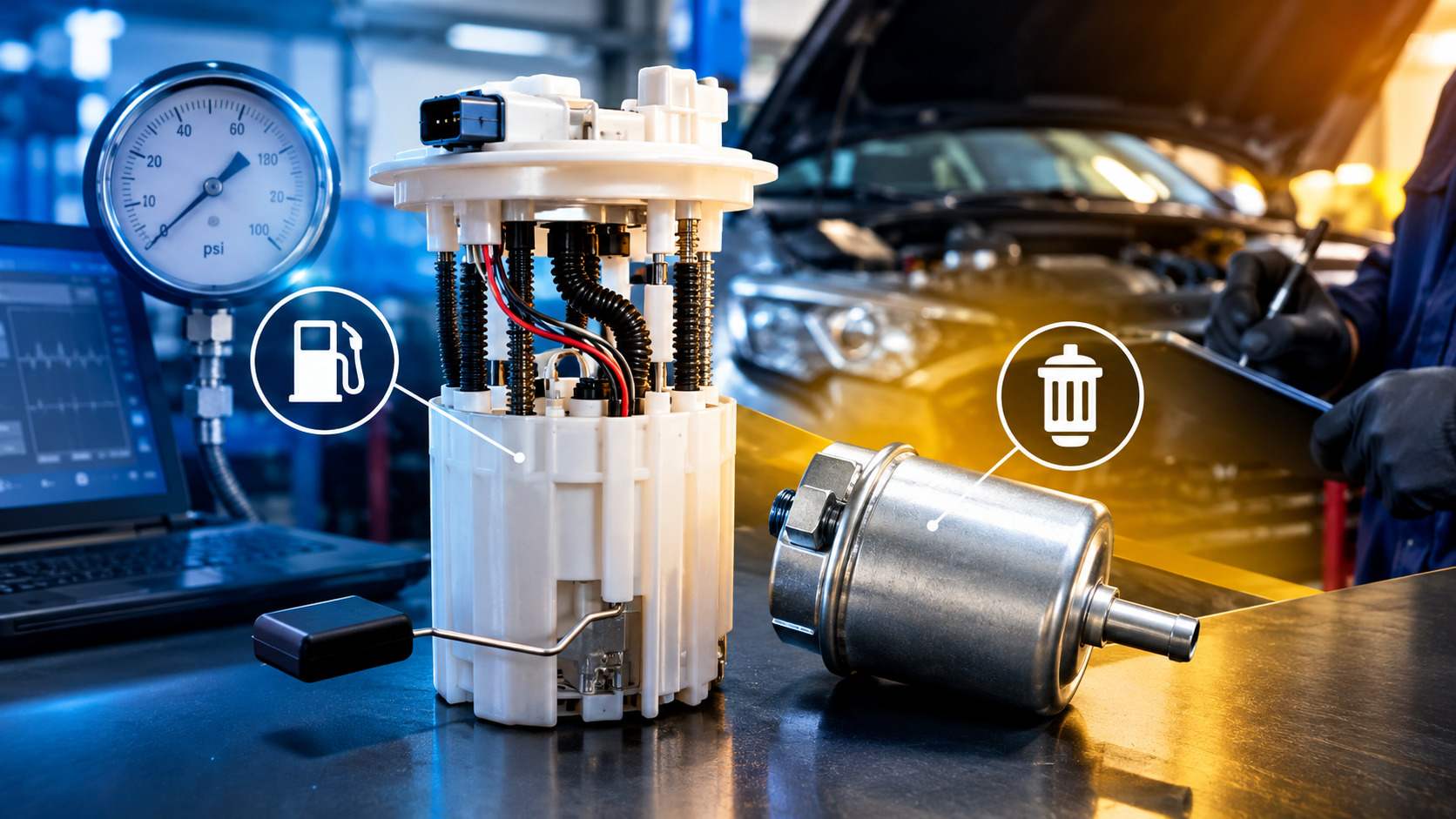
Fuel delivery problems can be frustrating because several different components can produce very similar symptoms. A vehicle that hesitates, loses power, struggles to start, or stalls may have a weak fuel pump, a clogged fuel filter, or another issue within the fuel system.
Knowing the difference between these problems can help drivers understand what may be happening and why proper diagnosis is important.
Both components play an important role in delivering the correct amount of fuel to the engine, but they fail in different ways.
If you are experiencing fuel pump problems in Santa Clara, understanding how they compare with a restricted fuel filter can help you recognize the warning signs and avoid unnecessary parts replacement.
What Does the Fuel Pump Do?
The fuel pump moves fuel from the tank toward the engine.
Baca Juga
Most modern vehicles use an electric fuel pump located inside the fuel tank. It must provide adequate fuel pressure and sufficient fuel volume for the engine to operate correctly.
When the pump becomes weak, fuel delivery may become insufficient, particularly when the engine requires more fuel.
Possible symptoms include:
- Hard starting
- Loss of power
- Poor acceleration
- Hesitation
- Sputtering
- Engine stalling
- Unusual fuel pump noise
A weak pump may still operate but fail to meet the engine’s fuel demand.
What Does the Fuel Filter Do?
The fuel filter is designed to remove contaminants and particles from the fuel before they reach sensitive components of the fuel system.
Depending on the vehicle, the fuel filter may be installed in different locations and may be a separately serviceable component or part of a larger fuel system assembly.
Over time, a filter can become restricted.
When this happens, fuel cannot flow through the system as easily.
A severely restricted filter may cause symptoms similar to a weak fuel pump.
Symptoms Both Problems Can Cause
This is why distinguishing between the two can be difficult.
A weak pump and a restricted filter can both cause:
- Difficult starting
- Hesitation
- Poor acceleration
- Loss of power
- Engine sputtering
- Stalling
- Reduced performance under load
Because of this overlap, symptoms alone are not always enough to identify the faulty component.
How a Weak Fuel Pump Usually Behaves
A failing fuel pump may show different symptoms depending on how severely it has deteriorated.
In the early stages, the vehicle may start normally but struggle during acceleration.
The problem may become more noticeable when:
- Driving uphill
- Accelerating onto a highway
- Passing another vehicle
- Driving at higher speeds
- Carrying a heavy load
- The fuel level is very low
As the pump deteriorates further, the vehicle may become increasingly difficult to start or may stall unexpectedly.
A failing pump can also produce an unusually loud whining or humming sound from the fuel tank area.
How a Clogged Fuel Filter Usually Behaves
A restricted fuel filter limits fuel flow through the system.
The engine may receive enough fuel during light driving but not enough when fuel demand increases.
This can produce:
- Sluggish acceleration
- Hesitation
- Loss of power
- Poor highway performance
- Stalling under load
- Difficult starting
The exact symptoms depend on the severity of the restriction and the vehicle’s fuel system design.
If the vehicle has a serviceable fuel filter, its condition and replacement history can provide useful diagnostic information.
Why Both Problems Can Cause Low Fuel Pressure
Low fuel pressure does not automatically mean the fuel pump is defective.
A restricted fuel filter can reduce the amount of fuel reaching the engine and affect the pressure available to the system.
A weak pump can also cause insufficient pressure because it is no longer capable of producing the required output.
Other components, including the fuel pressure regulator, wiring, relay, and fuel injectors, may also affect fuel delivery.
This is why fuel pressure testing should be interpreted together with other diagnostic information.
Fuel Pressure vs. Fuel Volume
Both fuel pressure and fuel volume are important.
A fuel pump may produce acceptable pressure under certain conditions but still fail to provide sufficient fuel volume when the engine is under heavy load.
A restricted filter can also limit fuel volume even if the pump itself is operating correctly.
For this reason, a complete diagnosis may require both pressure and flow testing.
Can a Clogged Filter Damage the Fuel Pump?
A severely restricted fuel filter can make it harder for fuel to move through the system.
Baca Juga
The effect on the pump depends on the vehicle’s fuel system design, filter location, and control strategy.
Rather than assuming that a clogged filter has damaged the pump, technicians should test the system and evaluate the pump’s actual performance.
This is particularly important when a fuel pump has already been replaced but the symptoms continue.
Can Fuel Pump Problems Cause a Clogged Filter?
A failing fuel pump does not normally cause a fuel filter to become clogged.
A restricted filter is generally related to contaminants, debris, sediment, or other material present in the fuel system.
However, both problems can exist at the same time.
For example, contaminated fuel may contribute to fuel filter restriction while also affecting other fuel system components.
How Can You Tell Which Component Is Failing?
The most reliable way is through systematic testing.
A technician may perform several checks.
Fuel Pressure Test
Fuel pressure is measured and compared with the manufacturer’s specifications.
Fuel Volume Test
The amount of fuel the system can deliver is evaluated.
Electrical Testing
The pump’s power supply, wiring, ground, relay, and connectors can be inspected.
Fuel Filter Inspection
If the filter is serviceable, its condition and restriction can be evaluated.
Diagnostic Scan
Stored or pending fault codes may provide additional information.
Road Test
If the problem occurs only during acceleration, highway driving, or hill climbing, testing under similar conditions can help reproduce the symptom.
Warning Signs That Should Not Be Ignored
Whether the problem is a fuel pump or filter, certain symptoms deserve prompt attention.
These include:
- Repeated engine stalling
- Sudden loss of power
- Increasing difficulty starting
- Severe hesitation
- Loud fuel pump noise
- Loss of power during highway driving
Continuing to drive with severe fuel delivery problems can eventually leave the vehicle unable to start.
Unexpected engine stalling can also create a safety risk.
Fuel Pump and Fuel Filter Diagnosis at One Nation Auto
If you are experiencing fuel pump problems in Santa Clara, it is important to determine whether the pump itself is failing or whether a restricted filter or another fuel system component is responsible.
At One Nation Auto, fuel delivery problems can be evaluated using fuel pressure and fuel flow testing, electrical diagnostics, inspection of related components, and diagnostic scanning.
This approach helps identify the actual cause of poor fuel delivery rather than replacing parts based only on symptoms.
If the fuel pump is healthy but the filter is restricted, replacing the pump would not address the underlying problem. Likewise, installing a new filter will not correct a pump that cannot produce adequate pressure or volume.
A weak fuel pump and a clogged fuel filter can produce very similar symptoms, including hard starting, hesitation, poor acceleration, loss of power, and engine stalling.
The main difference is that a failing pump cannot provide the required fuel pressure or volume, while a restricted filter limits fuel flow through the system.
If you are experiencing fuel pump problems in Santa Clara, professional pressure, flow, and electrical testing can help determine whether the pump, filter, or another fuel system component is responsible.
auto repair serviceauto service Santa Claraautomotive troubleshootingbad fuel pump signscar diagnostic testingcar engine hesitationcar engine stallingcar repair Santa Claraclogged fuel filterengine power lossfuel filter symptomsfuel flow testfuel pump noisefuel pump problemsfuel system diagnosislow fuel pressurepoor vehicle accelerationprofessional auto carevehicle fuel deliveryvehicle maintenance
Artikel terkait lainnya