


AI Is Reshaping Hiring in 2026: What Resumes Need to Show
 DEMOCRAZY News
7 Agustus 2026 8:34 pm
.
3 menit membaca
DEMOCRAZY News
7 Agustus 2026 8:34 pm
.
3 menit membaca
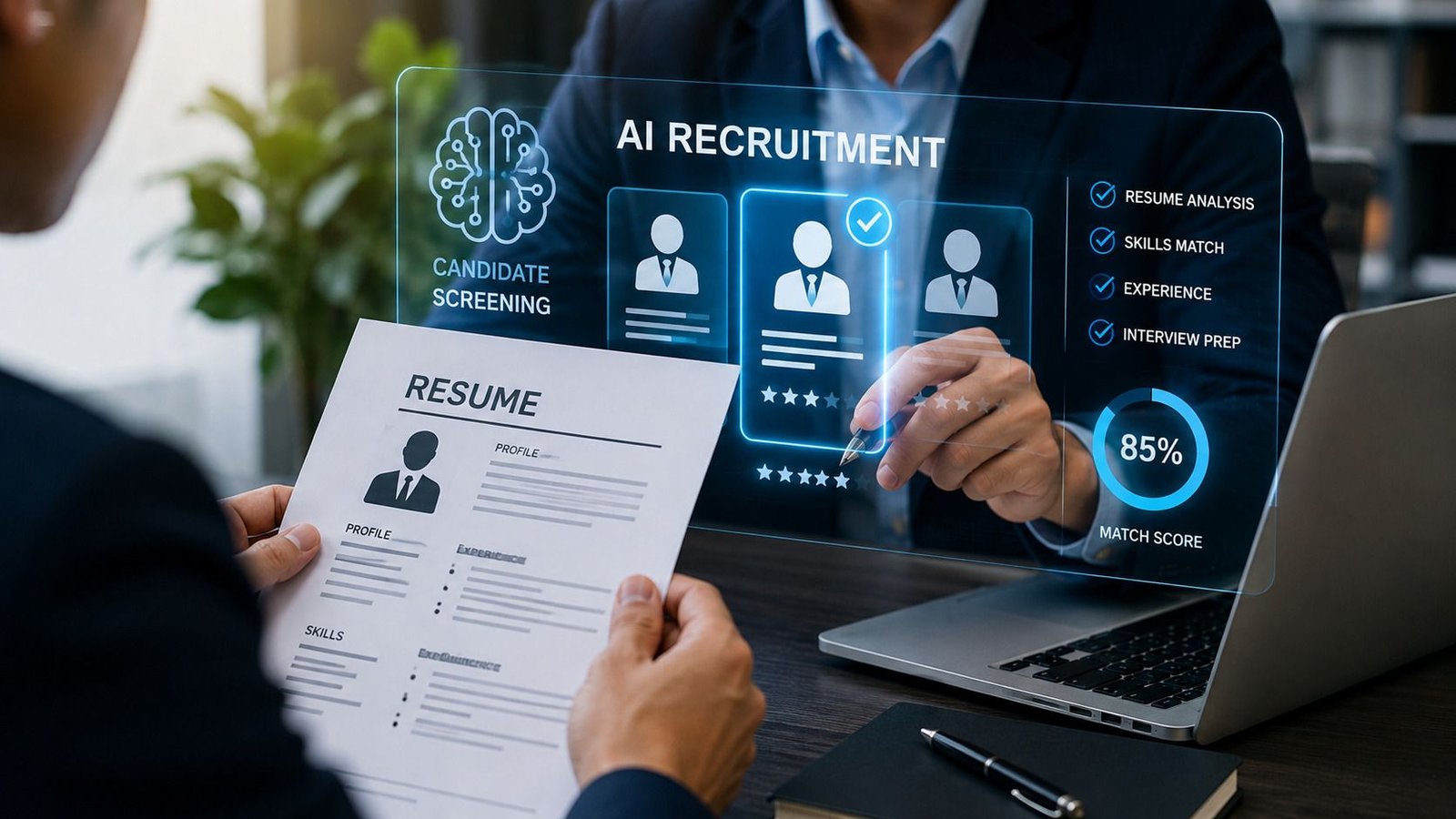
AI is no longer used only to write job descriptions. In 2026, it supports several stages of hiring: finding candidates, comparing applications and preparing interviews.
How AI is changing recruitment
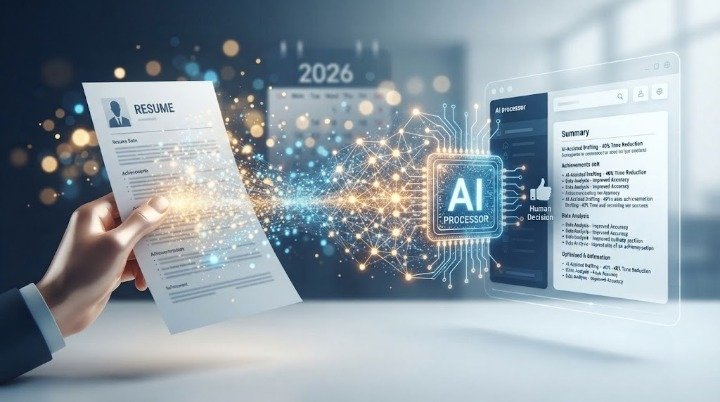
Recruiters can identify relevant experience more quickly, while people still make the final decisions. A resume therefore needs to work for both software and a human reader.
Clear job titles, consistent dates and direct descriptions of achievements make an application easier to understand. Dense paragraphs, unexplained jargon and decorative layouts can hide the evidence that matters.
Why generic resumes perform worse
A general resume tries to cover every possible role. The strongest evidence then gets buried under phrases such as “responsible for projects” or “worked with clients.” AI-assisted screening makes this weakness more visible because applications can be compared by tasks, skills and outcomes.
This does not mean copying a vacancy word for word. Select the parts of your real experience that answer the employer’s needs. For a logistics role, a project manager could highlight delivery planning and vendor coordination before less relevant duties.
Which skills employers want to see
Technical knowledge matters, but companies also need people who can use new tools responsibly. Useful evidence may include:
• using AI to speed up research, analysis or routine drafting;
• checking outputs for errors and weak assumptions;
• protecting confidential company or customer information;
• explaining decisions clearly to colleagues and clients.
Judgement, subject knowledge and communication make AI useful. A long list of tools alone reveals little about how someone will work.
Baca Juga
Show results, not software names
“Used ChatGPT and Copilot” is not an achievement. A stronger bullet connects the tool to an outcome: “Introduced AI-assisted support drafts and a review checklist, cutting preparation time from 20 to 12 minutes.”
Use numbers only when they are accurate and explainable. Without a reliable metric, describe a visible change: fewer manual steps, faster handovers, clearer documentation or fewer repeated errors. Employers need evidence of impact, not a fashionable tools section.
What to update before applying
Mark the vacancy’s three or four main requirements. Then review your summary, recent experience and skills. Remove claims you cannot support, move relevant examples higher and replace vague duties with specific actions.
To create a clean working copy, you can organise and edit your resume online with ResumeQuill — ResumeQuill. The tool can help with structure, but the wording should still reflect your own experience and voice.
Before sending, check:
• whether the target role is clear in the first few lines;
• whether recent achievements match the vacancy;
• whether every AI tool is connected to a real task;
• whether dates, links and contact details are correct;
• whether the PDF is readable on phone and desktop.
AI is changing how applications are reviewed, not the reason someone gets hired. A strong resume still shows that the candidate understands problems, makes sound decisions and delivers useful results.
applicationartificial intelligencecareeremploymentfuture of workhiringhrinnovationinterviewjob huntjob searchjob seekersproductivityprofessionalrecruitmentresumeskillstechnologyworkworkplace
Artikel terkait lainnya