

Children’s Oral-Health Challenges Persist Across the UK Despite Government Initiatives
 DEMOCRAZY News
31 Desember 2025 8:02 am
.
7 menit membaca
DEMOCRAZY News
31 Desember 2025 8:02 am
.
7 menit membaca

Children’s Oral-Health Challenges Persist Across the UK Despite Government Initiatives
Despite a range of government interventions aimed at improving oral health among children in the United Kingdom, evidence suggests that significant gaps in access to care and persistent rates of tooth decay continue to undermine progress — especially among socioeconomically disadvantaged populations. Leading dental health experts and public health researchers are warning that, while policy changes such as supervised tooth-brushing programmes and advertising restrictions show early promise, they remain insufficient without coordinated systemic reform and expanded capacity across the dental care ecosystem.
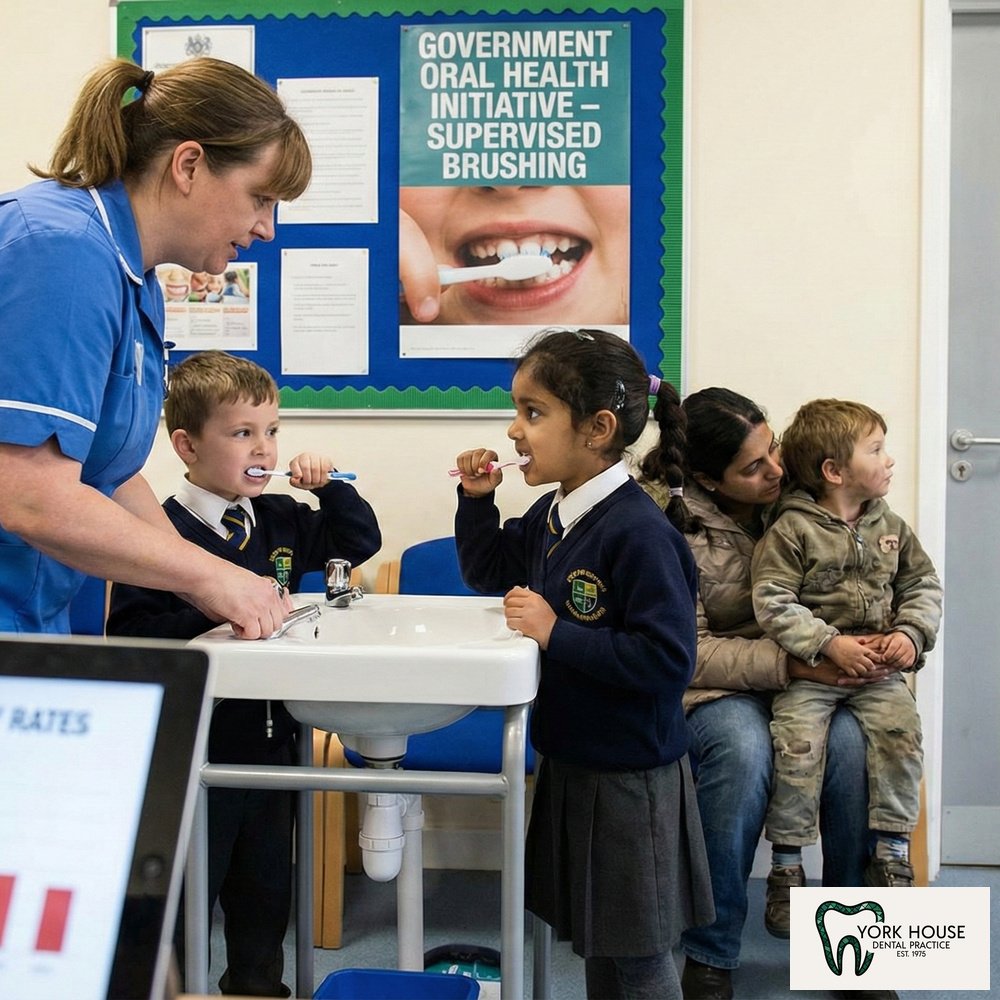
Ongoing Inequality in Children’s Oral Health Outcomes
Recent analysis by the Child of the North initiative highlights that children living in deprived communities are disproportionately affected by poor dental health. According to the updated report, children in lower-income areas face significantly higher rates of dental disease compared with their peers in wealthier regions. The data show that more than one-quarter of five-year-olds in England experience decay in their primary teeth, a figure that rises sharply in more disadvantaged neighbourhoods.

Experts note that these outcomes are not merely health statistics — they represent real barriers to a child’s ability to eat, communicate, and engage fully in education and social environments. Tooth decay remains one of the leading causes of hospital admissions for young children, particularly when dental infections escalate to the point where surgical extractions under general anaesthesia become necessary. As a result, pressures on Hospital beds and paediatric surgical resources remain high in certain regions during peak demand periods.
Government Efforts: Prevention and Early Intervention
Over the past year, several government-led initiatives have been rolled out to address these challenges. Among the more high-profile efforts is a national supervised toothbrushing programme implemented in schools and early years settings. The programme provides structured opportunities for children to brush their teeth with fluoride toothpaste daily, designed to instil consistent oral hygiene habits and reduce early decay. Initial rollout reached hundreds of thousands of children, particularly in communities with the greatest need.
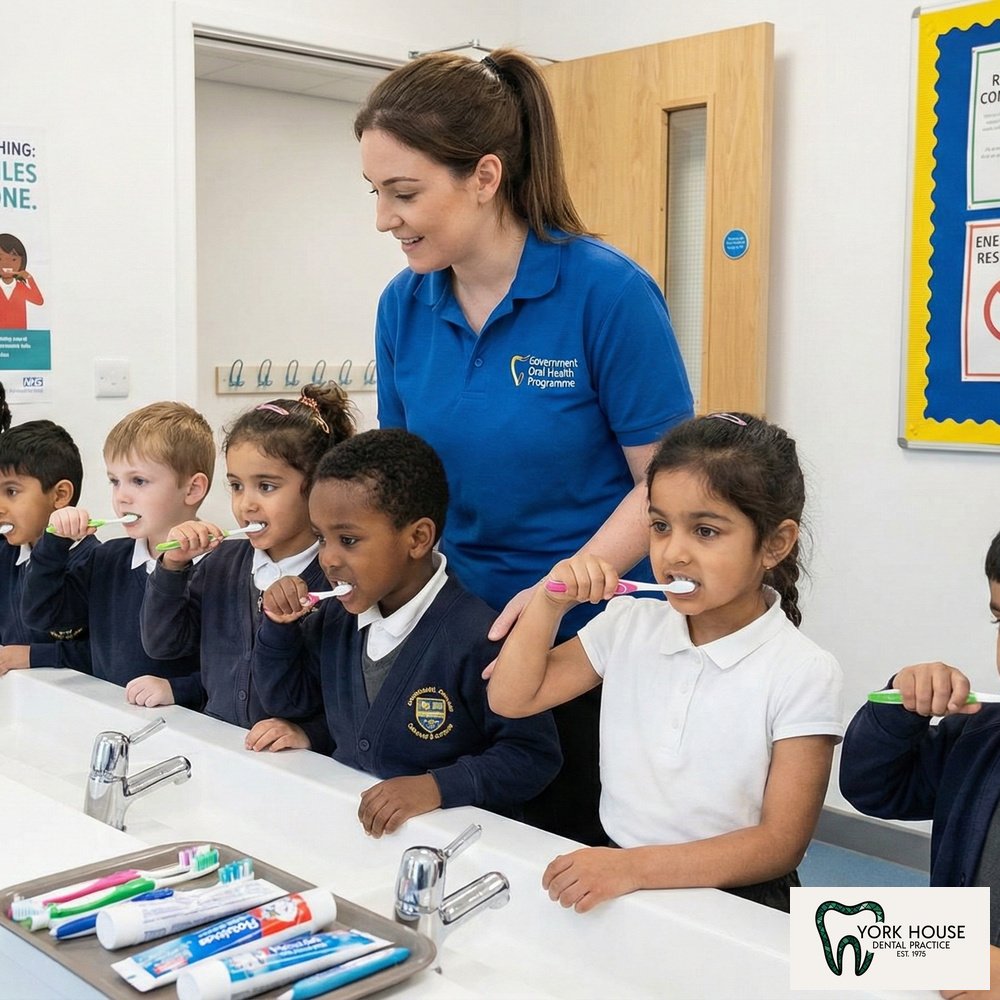
In addition to brushing programmes, government consultations have addressed food and drink policies linked to oral health. Proposed restrictions on high-caffeine energy drinks marketed to children and consultations around extending the soft-drinks industry levy are intended to reduce sugar consumption — a well-established risk factor for dental caries.
Limits of Current Approaches: Calls for Systemic Change
Although these measures reflect an increased policy focus on preventive care, dental professionals argue that they fall short of addressing core structural issues in the NHS dental delivery system.
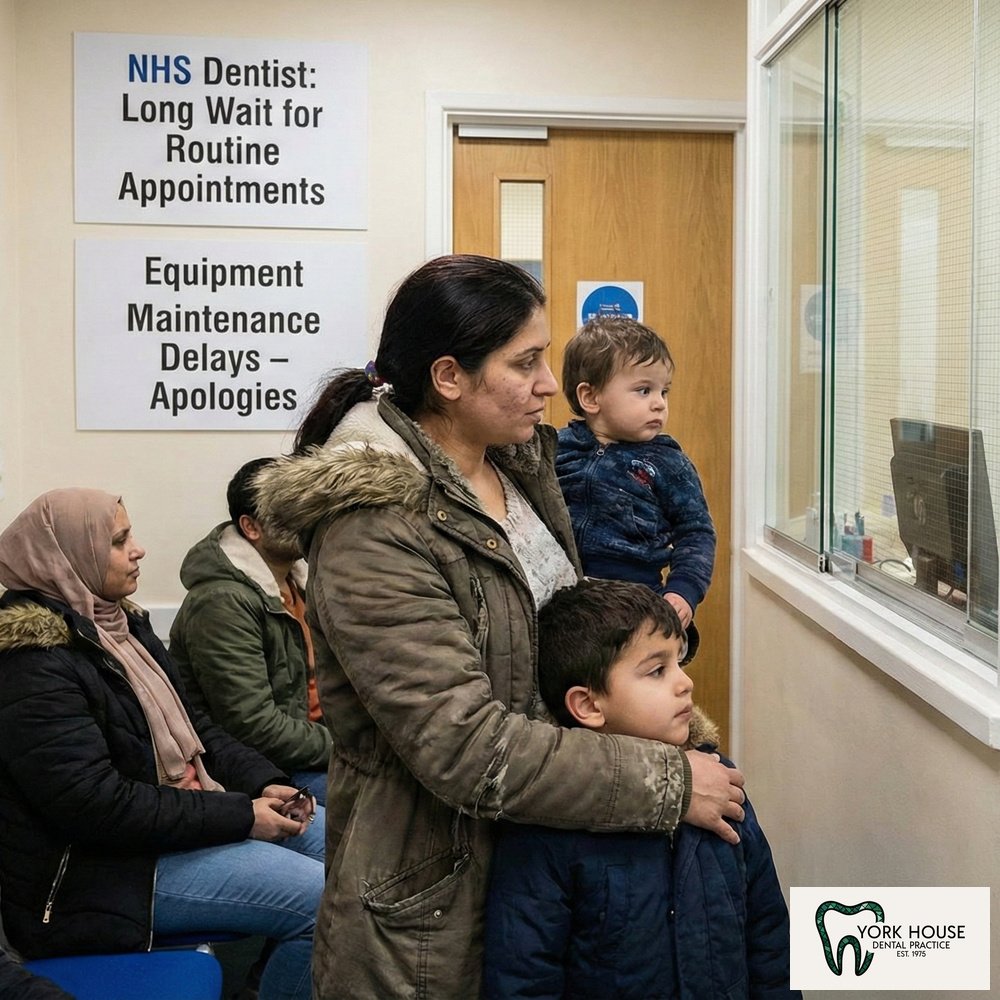
Firstly, access to routine dental care — including regular check-ups, preventive treatments, and restorative procedures — remains unevenly distributed. A combination of workforce shortages, funding constraints, and complex contract arrangements means many families struggle to secure timely appointments with NHS dentists. Children in deprived areas, in particular, often face long waits and restricted availability, perpetuating cycles of unmet need and disease progression.
Effective treatment requires not only access to general dental practitioners but also the right infrastructure and tools within dental clinics. For example, modern dental handpieces — essential instruments for restorative procedures such as fillings, crowns, and decay removal — must be routinely maintained and available. Without consistent access to properly functioning equipment, providers may be limited in the range of treatments they can deliver efficiently, further slowing the pace of care. While such technical challenges may seem peripheral in policy discussions, they represent real operational barriers in community dental practices. Sector stakeholders emphasise that investment in clinical equipment and training must accompany broader workforce and funding solutions.
Regional and Community-Level Perspectives
At the local level, disparities are even more evident. Rural and under-served regions often face acute shortages of dental professionals willing to accept NHS contracts, compounding difficulties for families seeking care. Urban centres with high deprivation can also experience bottlenecks due to demand that outstrips capacity. These local access gaps amplify broader health inequalities, with children in these regions more likely to develop advanced decay requiring intensive intervention.
To illustrate the importance of community dentistry capacity, consider the value of local practitioners such as a trusted Dentist in West Byfleet or similar community dental providers in other locales. These professionals act as the first line of defence in oral health — providing preventive check-ups, risk assessment, early treatment of decay, and education for families. Where such community dentists are scarce or unavailable, children are more likely to reach crisis points that require emergency care or referral to hospital-based settings. Strengthening the pipeline of local NHS dental practitioners, including in areas like West Byfleet, is therefore central to narrowing oral health disparities.
Economic and Social Impacts
The socio-economic dimensions of poor children’s oral health are significant. Tooth decay not only causes pain and functional limitations for children but also contributes to missed school days and diminished educational engagement. Families can incur high costs when seeking private dental care or in cases where children require hospital-based treatment that extends beyond routine dentistry. These burdens are disproportionately felt by low-income households.

Moreover, the expansion of preventive programmes such as supervised toothbrushing and water fluoridation campaigns underscores the importance of population-level strategies. However, scaling these up effectively requires sustained funding, community engagement, and integration with broader public health and education systems.
Expert Recommendations and Future Directions
Dental and public health experts are calling for a multifaceted strategy to meaningfully shift the trajectory of children’s oral health outcomes. Key recommendations include:
- Workforce Expansion and Retention: Ensuring that there are enough qualified dentists willing to accept NHS patients, particularly in underserved regions. This includes reviewing dental contracts and incentives so that providers are fairly compensated for preventive and restorative work, not just high-volume procedures.
- Strengthened Preventive Systems: Accelerating and expanding school-based toothbrushing programmes, community fluoride varnish initiatives, and broader nutritional policies focused on reducing sugar intake.
- Infrastructure Investment: Allocating resources for modern clinical equipment and tools, such as high-quality dental handpieces and preventive dental materials, across NHS clinics.
- Targeted Local Action Plans: Empowering local health authorities and community stakeholders — including schools, dentists, and parent groups — to co-design and implement area-specific oral health strategies that address unique barriers and needs.
- Integrated Health and Education Efforts: Embedding oral health within broader child health and education frameworks, ensuring that dental wellness is recognised as part of comprehensive childhood development and wellbeing.
Experts emphasise that isolated policy measures are unlikely to produce durable change without a cohesive, well-funded national strategy that aligns preventive care, clinical services, and community support mechanisms.
Conclusion
Despite demonstrable effort from policymakers and early progress in some preventive areas, the UK continues to face a significant challenge in improving oral health outcomes for children. Persistent inequalities in access to NHS dental care, coupled with high rates of tooth decay and uneven distribution of clinical resources, underscore the need for more ambitious, joined-up action.

Addressing this crisis will require not only incremental policy refinement but also substantial investment in workforce capacity, preventive services, and community dental infrastructure. Only through such comprehensive approaches — driven by evidence, funded sustainably, and implemented at scale — can the long-standing disparities in children’s oral health be effectively reduced, leading to healthier futures and improved quality of life for the nation’s youngest citizens.
Artikel terkait lainnya